
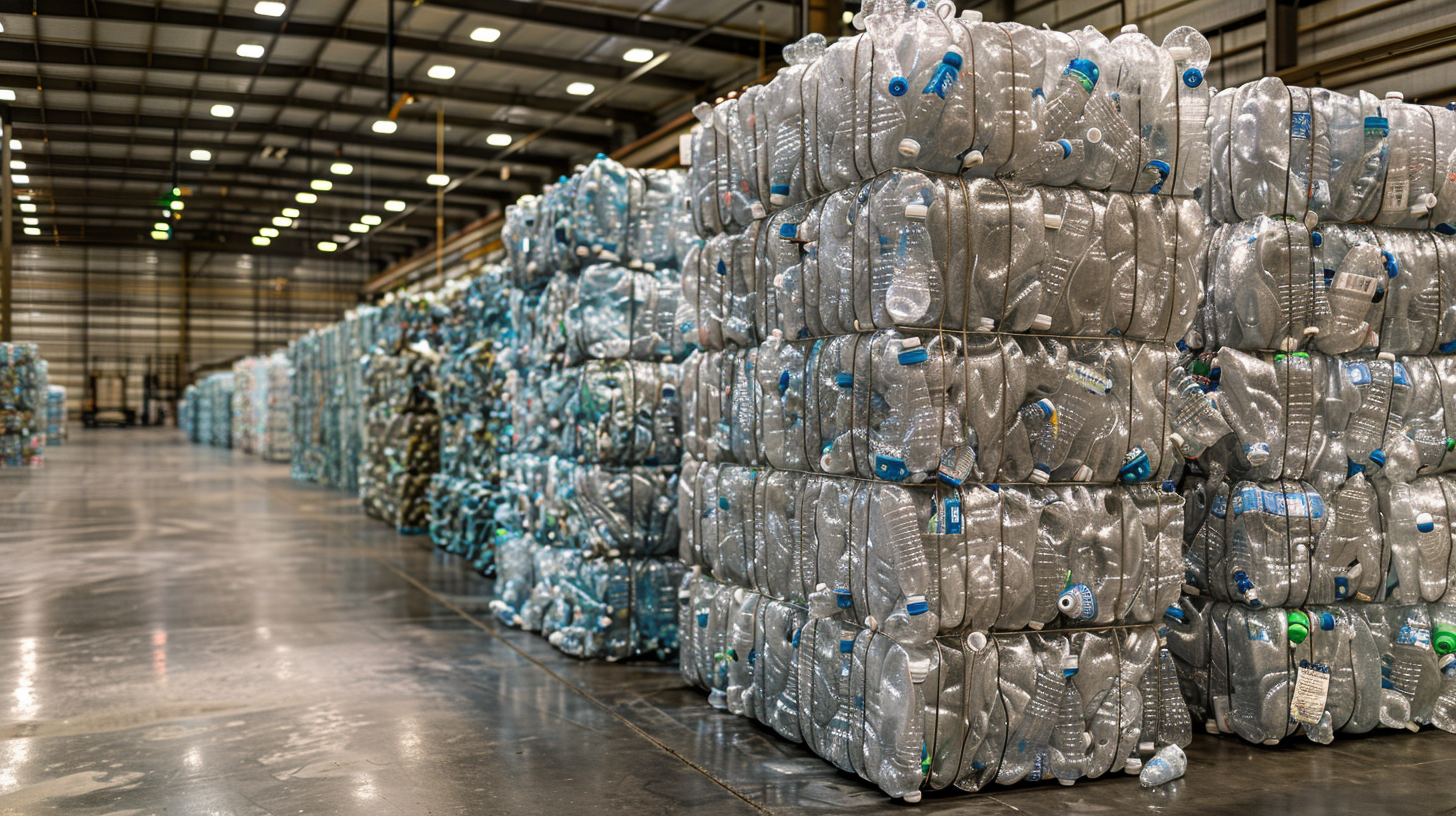
The bottles Americans put in a curbside bin were worth noticeably less in August than they were in July, according to pricing figures published Aug. 17 by the trade publication Resource Recycling — the second month of decline after a spring price surge that traders now describe as an overreaction.
The numbers describe bales, the compressed blocks of sorted containers a recycling plant sells to a manufacturer. Bale prices are the revenue side of curbside recycling: when they fall, the sorting facility earns less for the same truckloads, and the cities that ship to it absorb the difference. Reporter Antoinette Smith wrote that spring’s “war-related price surges” lifted post-consumer bale prices along with new plastic, and that “with seasonal demand subsiding and some stakeholders viewing April buying as an overreaction, prices have eased but mostly remain higher on the year.”
For clear plastic bottles — polyethylene terephthalate, the material in a water or soda bottle, abbreviated PET — the retreat was regional. Bales collected in the South and Southeast peaked at 7 to 8 cents a pound in July and eased to 6 to 7 cents in August. In the Midwest they averaged below 3 cents. In California they have sat at 2 to 3 cents all summer. The pricing data is compiled by RecyclingMarkets.Net, a commercial subscription index.
Milk-jug plastic told a similar story. Natural high-density polyethylene, the translucent material in a milk jug, hit a two-year low in August. Colored versions — detergent bottles and the like — fell on the month but remain more than double where they stood a year ago, when they had reached record lows. Polypropylene, used in yogurt tubs and bottle caps, surged in May and has dropped back to about 6 cents a pound.
Aluminum did not follow. In the most recent national averages, published July 13, used beverage cans held steady at 93 cents a pound, up from 83.75 cents a year earlier, and steel cans held at $200 a ton against $168 a year earlier. Over the same year, PET’s national average fell from 10.22 cents a pound to 3.20 cents. Resource Recycling has not yet published an August update to that national table, so the 93-cent figure is the latest published number for cans, not an August one.
That gap between materials is the durable finding. A recycling program’s finances depend on which containers it captures and on prices no city controls, and this year the aluminum can has been roughly thirty times more valuable per pound than the clear plastic bottle sitting beside it in the same bin.
The August report also notes where supply stays reliable. Explaining why Northeast markets have been unsettled, Smith wrote that regional systems “were particularly hard hit by recent plant closures, plus the region has a concentration of deposit return systems that provide steady supply.” A deposit return system charges a refundable nickel or dime at purchase and pays it back when the container is returned. Because the container is counted and paid for one at a time, the flow of material into the system does not depend on a commodity index. Ten states operate one. Texas does not, a gap the Dispatch examined in July when PET prices last collapsed, and again this month when Connecticut reported a 92 percent return rate after doubling its deposit to 10 cents.
Exports are absorbing what domestic buyers will not: first-half exports of polyethylene scrap rose 25 percent from a year earlier to 84,854 metric tons, according to U.S. International Trade Commission data cited in the report, and Smith noted that colored milk-jug plastic may head to Southeast Asia absent domestic demand. New processing capacity is also moving prices on its own. Ahead of the startup of Republic Services’ sorting plant in Indianapolis, bale prices for milk-jug and yogurt-tub plastics spiked to roughly 19 cents a pound — close to four times normal — as the facility built up feedstock.
Republic’s chief executive, Jon Vander Ark, told analysts on an Aug. 6 earnings call that the company could sell three to four times each plant’s output and that “we’re largely exceeding our pricing assumptions.” Republic sells recycled plastic and has a direct interest in those prices.
Housing weakness sits underneath the plastics decline, because milk-jug plastic ends up in pipe and construction products. June housing starts ran at 1.43 million, up 3.5 percent from a year earlier, but building permits fell 2.3 percent to 1.37 million, and homebuilder confidence slipped two points in July to 34 on a scale where anything below 50 signals pessimism.
Resource Recycling is owned by the Association of Plastic Recyclers, a trade association whose members buy the bales it prices. The next national average table is due in September.