
The market for recycled plastic bottles has fallen so far that the material Texas buries by the millions is now worth almost nothing at the curb — a collapse that supports say strengthens the argument for a container-deposit system in a state that has none.
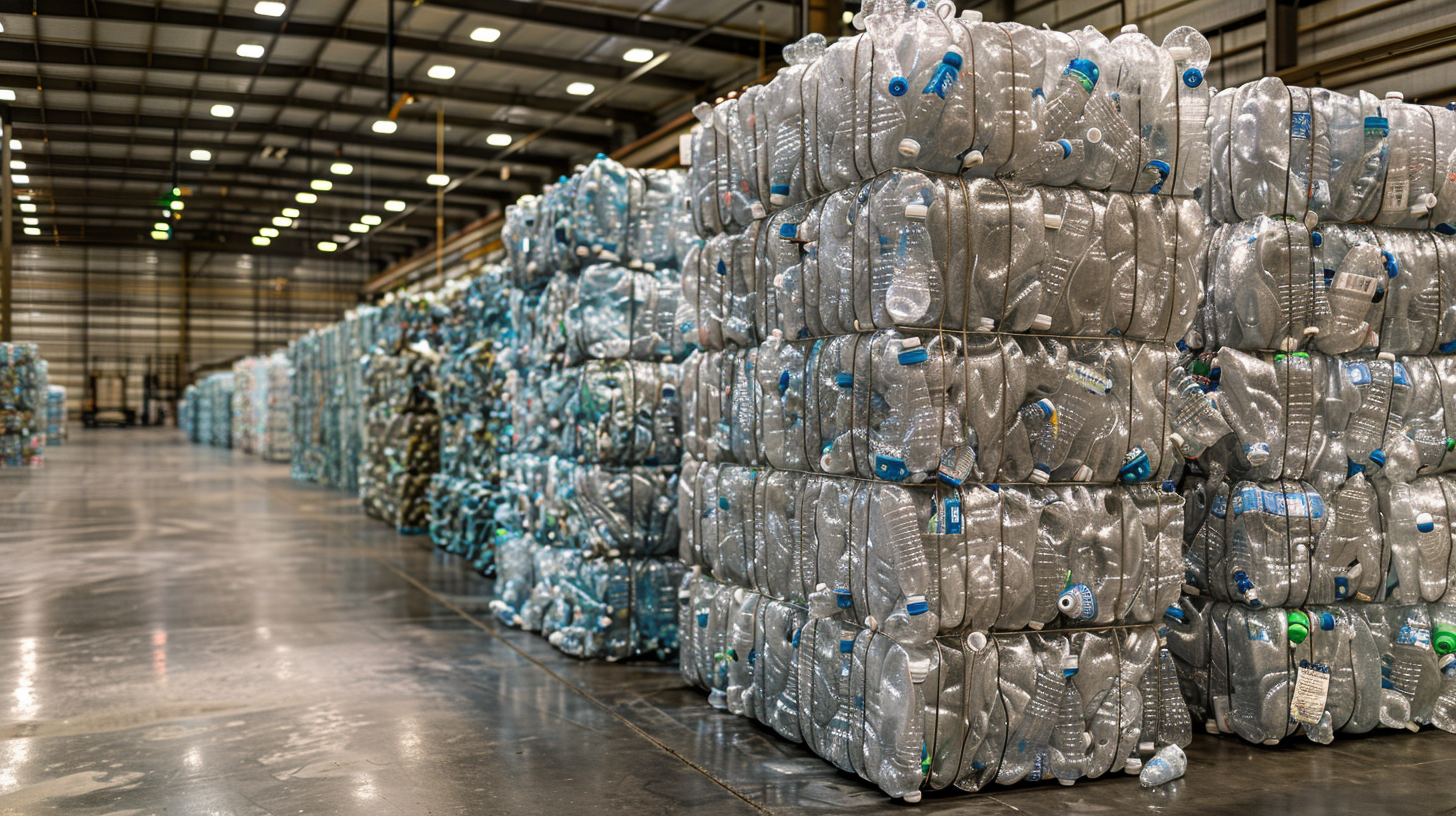
The national average price for post-consumer PET beverage bottles dropped to 1.74 cents per pound in March 2026, down from 4.28 cents a month earlier and 17.25 cents a year before, according to the Secondary Materials Pricing Index reported by Resource Recycling. Some regional contracts were trading in negative territory, meaning processors were effectively paying to move the material. Industry accounts describe PET bale prices at their lowest in roughly two decades.
Joaquin Mariel, president of Austin-based Circular Services, the largest privately held recycler in the country, traced the unraveling at the 2026 Texas Recycling Summit in Denton. He said, cheaper resin and a flood of imports have displaced demand for recycled PET and erased about 30% of end-market capacity in a short span.
“We’ve got something that was selling at price A and it’s selling at a tenth of that price today,” he said, adding that the recovery infrastructure has not changed even as the market beneath it has. Mariel put the cost of a modern materials-recovery facility at roughly $60 million, of which about $20 million is equipment — two-thirds of it dedicated to recovering plastics that make up less than 10% of the incoming stream. Half of that plastic is PET.
The collapse lands hardest where recycling programs were built on PET’s commodity value. Cities that budgeted around the material now face a gap, Mariel said, forcing “difficult conversations at the municipal level about whether the economics of the program still hold.” That is the vulnerability a deposit system is designed to blunt: by attaching a refundable value to each container and collecting it separately from commingled curbside loads, deposit states pull in a cleaner, higher-value stream that is less exposed to a single commodity’s swings.
While PET cratered, the national average for sorted aluminum cans held at 85.94 cents per pound in March, per the same index — a reminder that some containers retain strong value and that the aluminum, fiber and clean plastics left in the bin carry more of the program’s cost when PET falls. Deposit systems capture those valuable containers at high rates; Oregon recovers more than 80% of covered plastic bottles, and Germany and other deposit countries exceed 90%, according to the Bottle Bill Resource Guide.
Texas instead sends most of that value to the landfill while its own recycled-plastic plants look abroad for feedstock. NAPCOR has reported that more than 30 Texas PET facilities import recycled material from overseas, and a Texas A&M Mosbacher Institute brief found Texans bought about 23.7 billion beverage containers in 2021, roughly 80% of which were landfilled or littered — an outcome NAPCOR has valued at about $372 million a year in wasted recyclable material.
Circular Services’ recent $61 million materials-recovery facility in Frisco is one bet that domestic demand can be rebuilt, but the broader picture is a state importing what it throws away.
Some in the beverage and retail industries continue to oppose a deposit system, arguing it functions as a hidden tax, adds handling costs for stores and duplicates existing curbside programs. Supporters counter that the PET collapse is precisely the case for a system that does not depend on volatile commodity prices to pencil out. Whether recycled-plastic markets recover before then, Mariel argued, does not change the underlying waste: “It is absurd to throw away things that we know to be easily recyclable.”