
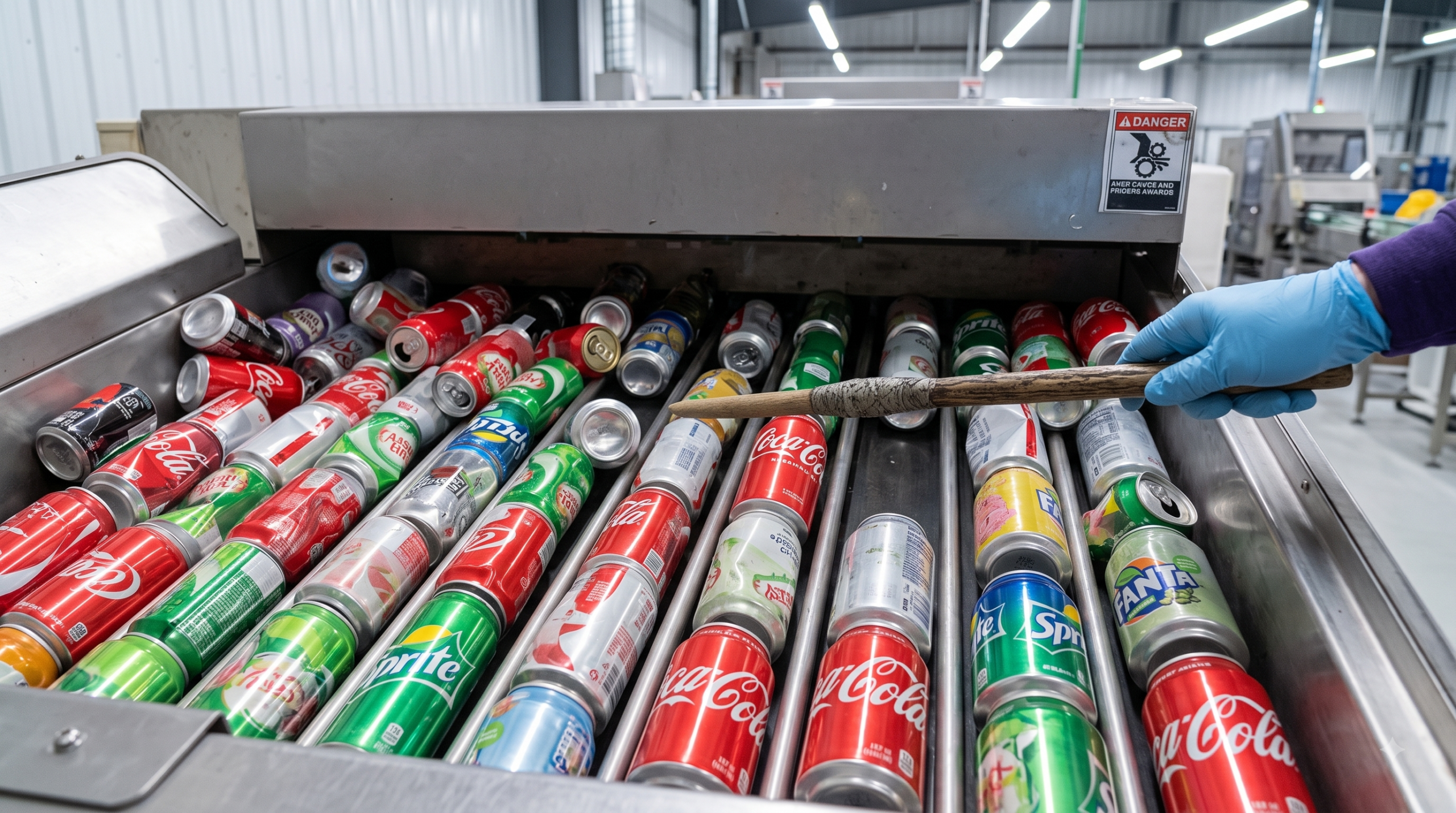
Connecticut got back 92% of the bottles and cans its residents paid deposits on in 2025 — up from 65% in 2024 and just 44% in 2023 — the sharpest gain recorded in any of the ten states that run container-deposit programs, according to new state-by-state data from the Container Recycling Institute, a nonprofit that tracks and advocates for deposit systems, reported by Waste Dive on Aug. 5.
The number matters because it isolates what actually moves recycling rates: money and convenience. Connecticut did not run an awareness campaign. It changed the economics. A 2021 state law, phased in through 2024, doubled the deposit from 5 to 10 cents, added new categories of beverages to the program, raised the handling fees paid to the retailers and redemption centers that take containers back, and created a grant program to open redemption centers in underserved areas.
Reverse vending machines placed in locations such as drugstores added roughly 300 return points, according to CRI President Susan Collins. “The convenience factor is huge and doesn’t get talked about enough,” Collins told Waste Dive.
The 2025 jump, in Collins’ telling, reflects residents folding the upgrades into their routines — a doubled deposit made returns worth the trip, and more return points made the trip short. Program changes in Connecticut and California together have pulled more than 2 billion additional containers into deposit systems in recent years, she said, with California’s gains driven by its 2024 addition of wine and spirits bottles and larger juice containers.
The rest of the national picture is mixed, and CRI reports it that way. Oregon, long the country’s benchmark, edged up from 87% to 88% — meaning Connecticut now posts the highest return rate in the nation. Maine fell from 74% to 69%, and rates in Hawaii, Michigan, New York and several other states slipped one to two percentage points.
Maine’s drop comes with an asterisk: the state is mid-overhaul. Under a 2023 law, a “commingling cooperative” of beverage brand owners now coordinates pickup and payment for returned containers, and as of July, Maine’s unclaimed deposits no longer flow back to beverage companies — they fund system improvements through the cooperative. On Oct. 1, Maine drops brand-by-brand sorting by material. Collins cautioned that Maine’s rate may fall further on paper as the overhaul produces more accurate data, not fewer returns.
The clearest cautionary case is Massachusetts, which still pays the 5-cent deposit it set decades ago and accepts a limited list of containers. Collins estimates only a quarter of the stores required to redeem containers there actually do so, and modernization bills have stalled in the legislature this year. Vermont, by contrast, enacted a law in June requiring its program to be run by a producer organization with a stewardship plan due by March 2029, an immediate handling-fee increase, and a cut of unclaimed deposits routed into new redemption infrastructure.
Deposit systems have critics with a financial stake of their own: recycling facility operators and hauler groups have told Waste Dive the programs divert aluminum and PET — the most valuable materials in a curbside bin — away from their sorting plants and revenue.
Texas has no deposit program. Texans bought roughly 23.7 billion beverage containers in a recent year and landfilled about 80% of them, figures previously compiled for the Mosbacher Institute at Texas A&M — the aluminum alone worth tens of millions of dollars a year, as The Texas Dispatch has reported. Ireland’s two-year-old national program, which returned 1.4 billion containers at a 76.4% rate in 2025, and now Connecticut’s 92% offer the same arithmetic from two directions: where a container carries a dime and a nearby return point, it comes back.