
The organization that runs the power grid for most of Texas told state regulators on Sept. 11 that it will send a survey of roughly 130 questions this week to 461 data center projects waiting to plug in, asking who owns them, where their water and cooling will come from, whether they can supply any of their own electricity, and what financial help they have sought from the communities around them. Companies that do not answer will be named to the governor.
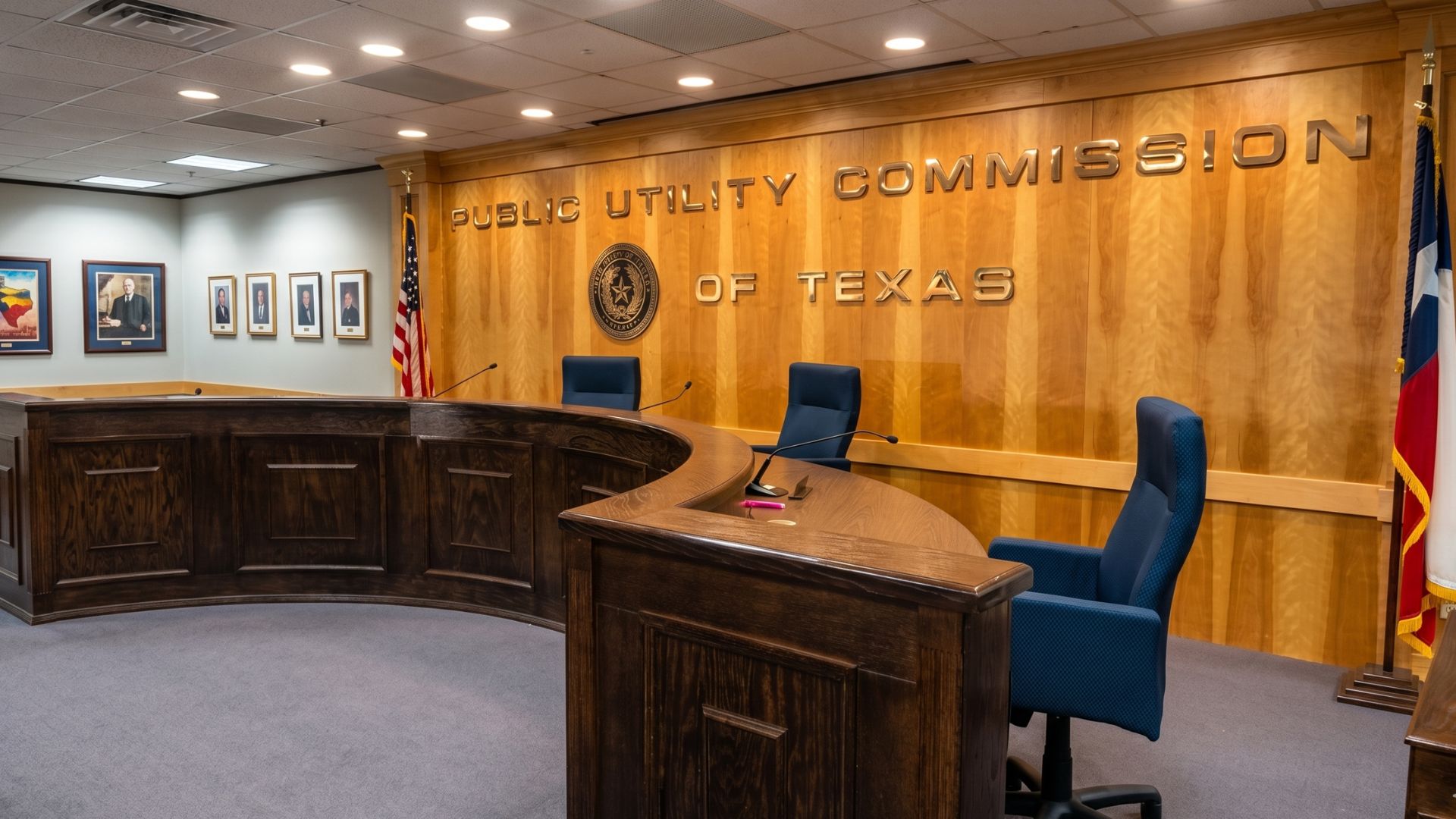
The disclosure came in a letter and presentation filed with the Public Utility Commission of Texas by Chad V. Seely, general counsel of the Electric Reliability Council of Texas, the nonprofit that operates the grid serving about 90 percent of the state’s electric load. The document says the survey “asks for information on financial assistance, power self-sufficiency, water and cooling, community impact, and ownership,” that it “contains approximately 130 questions that are the same for every recipient,” and that the grid operator “will provide PUCT and Governor a list of non-responding entities.” Responses are due in mid-October.
That is the first time the state has set out to collect, project by project, what the data center boom would take from Texas and what it would bring with it. The answers are meant to feed a report to the commission by Dec. 10 that, in the grid operator’s words, “may inform legislative action.”
The same filing put a number on the queue for the first time. As of a conditional sorting released Sept. 3, 191.8 gigawatts of large new electricity users across 362 projects had cleared the first cut — 66.4 gigawatts treated as firm and about 125 gigawatts held for further study. Another 302.2 gigawatts across 373 projects did not make the cut at all. The grid operator cautions that all of these figures are “subject to change based upon dispute processes and eligibility verification process.” For scale, the most electricity Texas has ever used at one moment is 91,134 megawatts, or about 91 gigawatts, set July 22 of this year, according to a board presentation by chief executive Pablo Vegas posted the same day. The group that cleared the first cut is more than twice that record.
The grid operator’s own numbers put the load in specific places. Counting both categories, the heaviest county totals are Cameron at 12,235 megawatts, Dallas at 7,637, Jones at 7,000, Harris at 6,899 and Childress at 6,750, according to a briefing on the review prepared by Jeff Billo, the grid operator’s vice president for interconnection and grid analysis. West Texas and far West Texas carry the largest study-stage totals, more than 50,000 megawatts between them.
Only 11 of the projects propose to bring their own generation — 9,478 megawatts of demand against 15,444 megawatts of on-site power, most of it natural gas. The rest would draw on capacity everyone else pays to build and maintain. That distinction is what the new survey is built to expose: whether a project arrives with its own power, its own water and its own money, or leans on the systems already serving Texas households and manufacturers.
Two figures in the briefing do not match. One slide puts the study-stage total at 125.4 gigawatts; the summary slide says 127.9. The grid operator did not explain the difference.
The survey lands on top of a separate deadline already running. The grid operator issued a single verification demand for each of 231 large-load projects and told the commission that as of 7 a.m. Sept. 11, 16 had been started and none had been submitted, with all 231 due Sept. 23. Each requires a notarized statement sworn before a notary that the answers are complete. The Texas Dispatch reported the verification demands when they went out.
The grid operator has also paused energizing new data centers and crypto mining sites until the review is finished, and says final decisions on which projects stay in and which are cut now arrive in December rather than August, as originally required. The whole exercise traces to Gov. Greg Abbott’s Aug. 3 directive ordering “a comprehensive verification and audit” before any of these loads proceed.
The commission takes up the verification report at its Dec. 17 open meeting. Until then, the only public accounting of what these projects would cost Texas is the survey going out this week — and the list of companies that decline to fill it out.