
The U.S. tally of confirmed New World screwworm infestations rose to 45 with a domestic sheep in Terrell County confirmed August 5, according to the U.S. Department of Agriculture’s Animal and Plant Health Inspection Service confirmed-detections dashboard. It is the first new detection anywhere in the country since a Pecos County sheep confirmed July 31, and the first case in Terrell County since June 23.
The dashboard now lists five active cases and 40 inactive ones — meaning animals that have been treated and cleared. Three days earlier it was eight active and 36 inactive. Even with a new infestation added, the count of open cases fell, and resolved cases now outnumber active ones eight to one. That is the widest gap of the outbreak, which began with a calf in Zavala County confirmed June 3, 2026.
All 45 cases are in domestic animals and there are no reported detections in wildlife or feral animals and zero wild flies caught in surveillance traps. Forty-four of the cases are in Texas; one, a dog in Lea County, New Mexico, was confirmed June 7. No human cases have been reported in Texas.
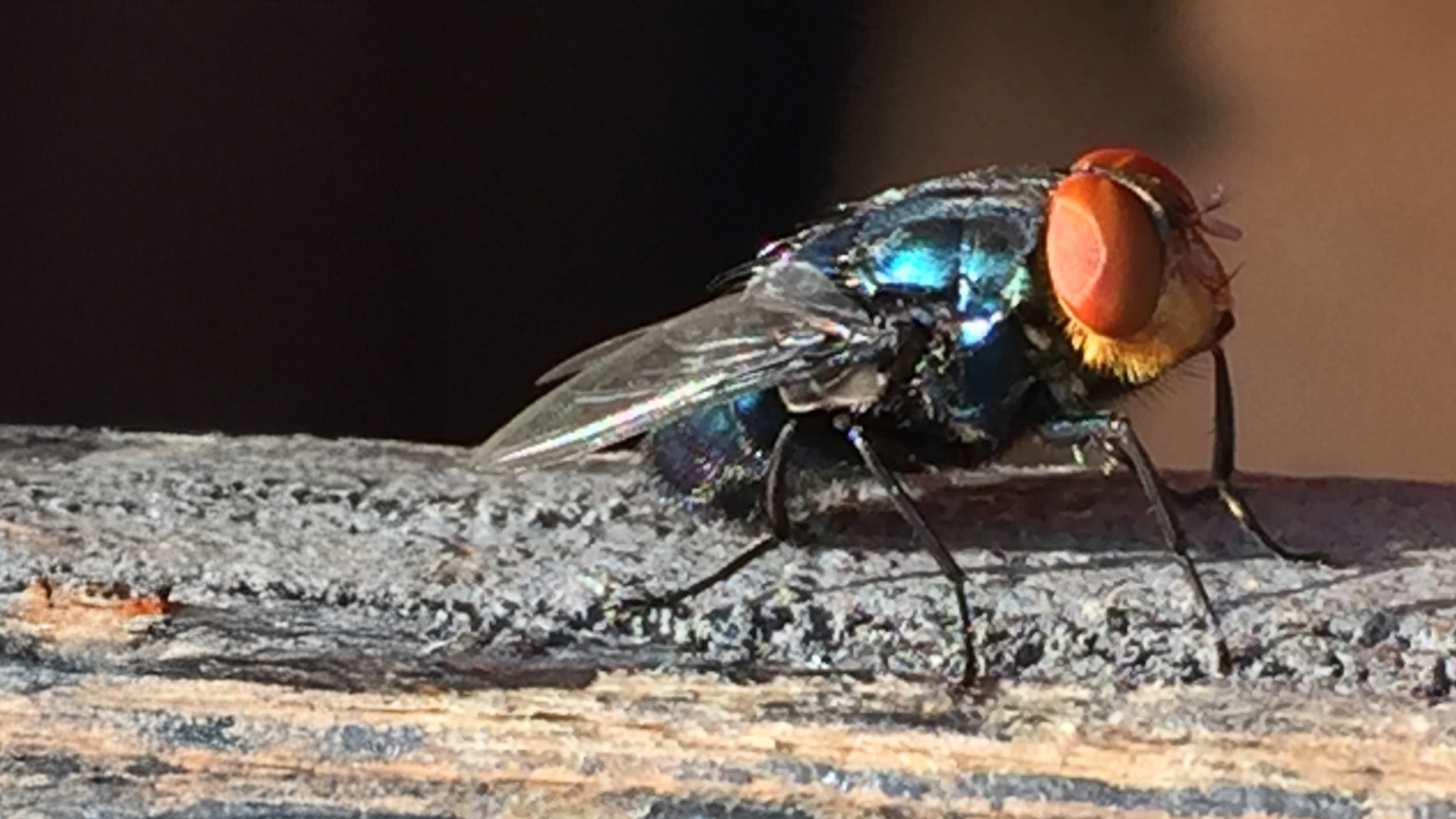
Screwworm is the larval stage of the fly Cochliomyia hominivorax. According to the Texas Animal Health Commission, the flies lay eggs in the open wounds or body openings of living animals, and the maggots burrow into living tissue with sharp mouth hooks — a condition the agency calls screwworm myiasis. The commission says the condition is highly preventable and treatable with approved products, but that an untreated animal can die within a week.
Terrell County, a sparsely populated ranching county on the Rio Grande east of Big Bend, is already inside the state’s quarantine footprint. The Texas Animal Health Commission lists movement restrictions in place across all or part of 23 counties: Bandera, Brewster, Coke, Crockett, Edwards, Gillespie, Jim Hogg, Kerr, Kimble, La Salle, Medina, Pecos, Presidio, Schleicher, Starr, Sutton, Terrell, Tom Green, Uvalde, Val Verde, Webb, Zapata and Zavala.
Under executive director orders issued by the commission, no warm-blooded animal may leave an infested zone without prior authorization. Owners moving animals out must arrange an inspection with the commission or a certified inspector, who issues a movement and treatment certificate listing the product used and the animal’s official identification. The commission reports 15 Texas counties with cases across 35 locations.
The federal response continues to run on the sterile insect technique, the method that eradicated screwworm from the United States in 1966. Sterilized male flies are released by air and on the ground; females, which mate only once, then lay eggs that never hatch. The Agriculture Department is expanding that capacity. Secretary Brooke Rollins announced a $25 million commitment for a new sterile fly dispersal facility in Arizona during a July 29 visit to the Douglas port of entry, according to the department’s screwworm status page.
Trade remains the open question for Texas producers. All southern ports of entry are closed to livestock, but the department has proposed a phased reopening tied to progress on its action plan with Mexico. It says it will reopen the Douglas, Arizona, port to livestock trade on August 24, citing Sonora and Chihuahua as the lowest-risk Mexican states and noting that the nearest active case to Douglas is roughly 325 miles away and was detected July 22. Santa Teresa and Columbus, New Mexico, would be considered next for cattle, bison and horses. The department says reopening may be paused if post-opening audits identify increased risk.
The Texas Dispatch reported on August 3 that the count had reached 44 with a Pecos County sheep that posted to the dashboard already resolved.
Whether the Terrell sheep proves to be an isolated detection or the start of another cluster will show up in the next dashboard refresh, and the August 24 Douglas reopening is the next scheduled test of the federal containment case.