
Beachgoers will cover more of Nueces County’s beach upkeep starting in January, when the annual parking sticker rises from $12 to $20, the first increase since 2004. County coastal park officials told KRIS the state reimburses only 2 to 4 percent of eligible expenses, because the county competes with 13 other coastal jurisdictions for the money.
Commissioners approved the increase in March, according to KRIS. The county’s share of sticker revenue is projected to rise from roughly $500,000 to $540,000 a year to about $1 million. Port Aransas sells about 140,000 permits a year and Corpus Christi about 110,000, KRIS reported, and the county sells about 1,100 directly. Commissioner Mike Pusley said the fee should be closer to $50.
The sticker is one answer to a question the Dispatch raised in earlier reporting: neither Waco nor Corpus Christi, nor the counties around them, can say what litter and illegal dumping cost. Records show where some of the money comes from, even without a total.
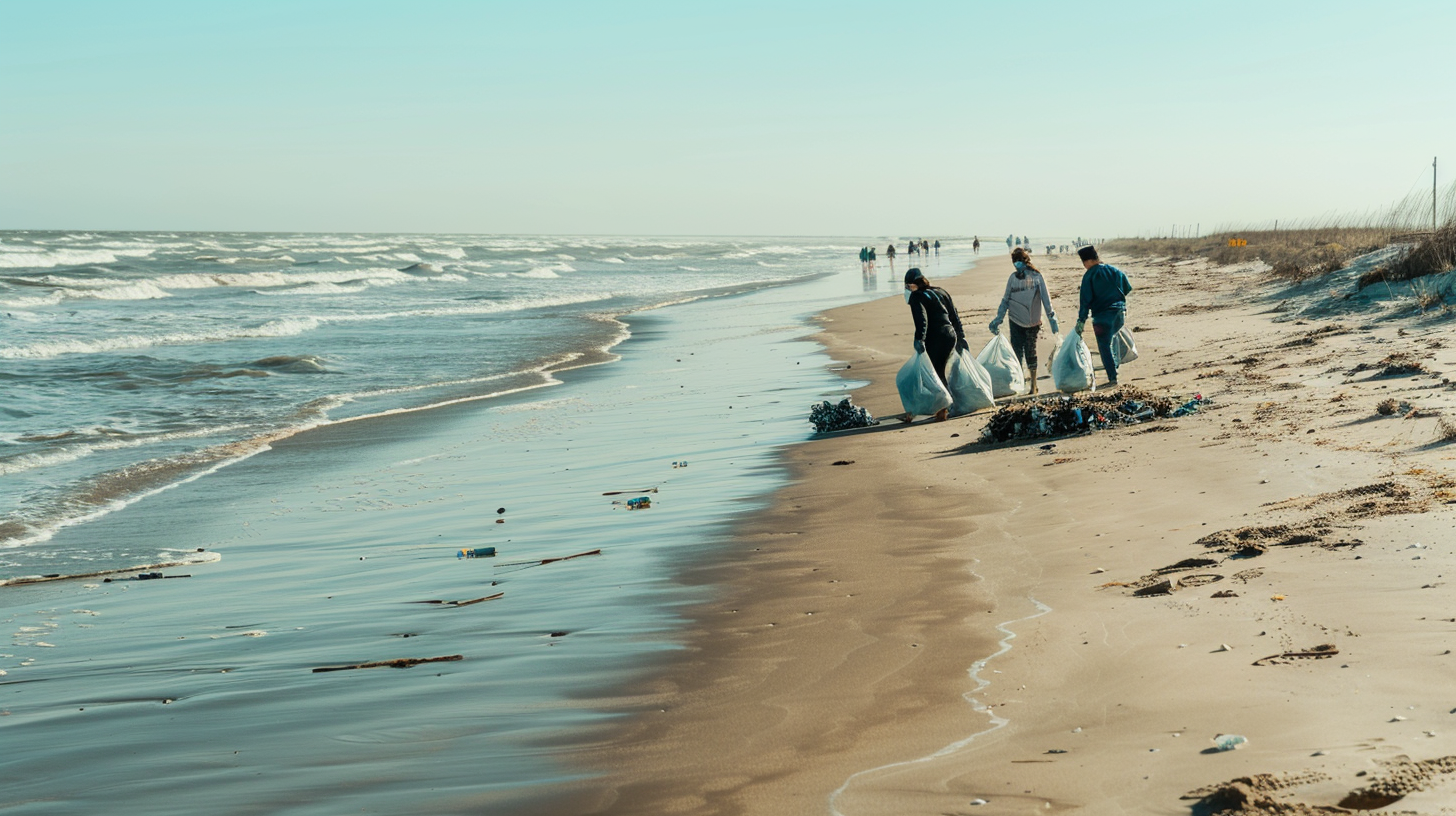
Volunteers supply a large share of the labor. On Sept. 19, 6,106 people took part in the General Land Office’s fall coastwide beach cleanup and removed nearly 62,000 pounds of trash, according to the agency’s results, as the Dispatch also reported. The program, called Adopt-A-Beach, has drawn more than 600,000 volunteers since 1986, the agency said. The agency’s results do not report volunteer hours. Independent Sector, a nonprofit coalition, values an hour of volunteer time at $36.14 for 2025. If each of the 6,106 volunteers worked three hours, a figure the Dispatch assumed, the labor would be worth about $660,000.
In Corpus Christi, the city bills illegal dumpers through their utility accounts. Its compliance team removed 1,181 tons of illegally dumped trash and 429 tires in 2025, and charges violators a fee starting at $100 a truckload and up to $200 for loose litter or construction debris. The city’s fiscal 2025 fourth-quarter budget report shows the solid waste fund took in $48.2 million, about $907,000 more than budgeted. It has no line for litter or dumping.
In Waco, a nonprofit does much of the work. Keep Waco Beautiful reported $268,199 in revenue and $274,760 in expenses for its fiscal year ended September 2025, according to its tax filings on ProPublica’s Nonprofit Explorer. The city’s proposed 2025-26 budget listed $100,000 for the group from the Solid Waste fund, which residential garbage customers pay into. The same document shows the monthly residential garbage rate rising from $20.52 to $21.93, or 6.9 percent, for fiscal 2026. The budget figures and the nonprofit’s filing cover different fiscal years, so they are not directly comparable.
Waco Bridge reported that the city’s proposed 2026-27 budget raises utility rates and fees by an average of $82 a year for a typical homeowner, including solid waste, though it gave no separate solid waste figure. On April 11, nearly 200 volunteers joined Keep Waco Beautiful’s third annual Brazos River cleanup competition.
The 2 to 4 percent figure is the county’s account, as reported by KRIS. The Dispatch has not seen General Land Office reimbursement records to confirm it.
Advocates for state policy changes argue that catching bottles and cans before they become litter is cheaper than paying for cleanup afterward.
The new sticker price takes effect in January, and the General Land Office’s next Adopt-A-Beach cleanups are scheduled for Feb. 5-6 and April 17.