
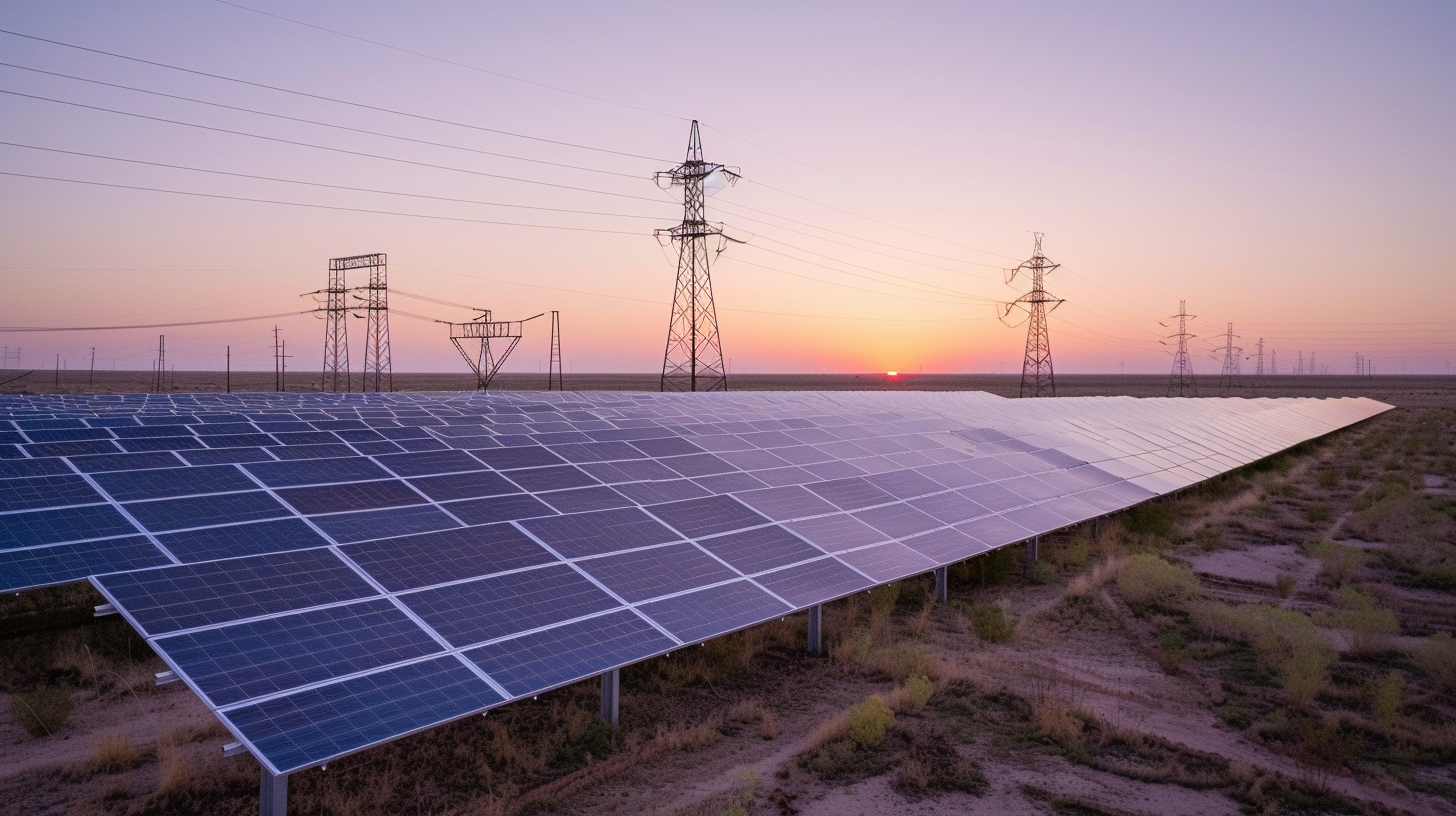
State Sen. Bob Hall filed Senate Bill 435 (90th Legislature) on Nov. 19, a bill that would bar any wholesale wind, solar or battery-storage plant from connecting to the Texas transmission grid without a permit from the Public Utility Commission of Texas (PUC), the agency that regulates electric utilities. Solar farms and battery sites would have to sit at least 500 feet from neighboring property lines unless the neighbors sign a waiver.
The bill would add a new state approval step for the kinds of plants that account for most new generation in Texas, according to ERCOT figures cited by The Texas Tribune. The permit would be created by a new subchapter of the Utilities Code. When a similar bill passed the Senate in 2025, its sponsor framed it around rural Texas and neighbors of the projects. Industry groups argued new rules would slow construction when the grid needs more supply.
SB 435 covers wind farms, solar farms, battery storage and other renewable generators that sell power at wholesale. It applies whether or not the project is covered by a facility agreement with a landowner under the existing state laws on wind, solar and battery-storage leases. The bill text sets these minimum distances, each waivable in writing by the affected owners:
Solar facilities would have to be at least 500 feet from any property line and 500 feet from any home or other habitable building. Wind turbines would have to stand at least twice their height, blades included, from the line of each bordering property. Battery-storage sites would have to be at least 500 feet from property lines and 500 feet from roads, buildings, stored flammable or hazardous materials and similar hazards.
A plant could not be placed where an emergency at the site would block the only road into a neighborhood, unless a second access road is built.
Applicants would have to name the fire department or other first responder expected to answer a fire at the site, show that the responder was notified in writing, and show insurance “sufficient to insure against losses” from operating the plant.
The PUC would notify the county judge. The county would publish the notice in three consecutive issues of a local newspaper and keep it on the county website. The PUC could hold public meetings in the county. It would have to hold one if a legislator representing the area asks, or if the commission finds “substantial public interest.” The commission would charge applicants a fee to cover its costs.
Neighbors and others “affected” could file written complaints with the PUC about permit violations. The bill would extend the commission’s enforcement powers to permit holders, including electric cooperatives and city-owned utilities.
The bill would take effect immediately with a two-thirds vote in each chamber, or Sept. 1, 2027, otherwise. Its trigger is interconnection: the text bars a person from connecting a facility without a permit, and it does not say how plants already connected would be treated.
The idea has passed the Senate before. In 2025, Senate Bill 819 by Sen. Lois Kolkhorst, with a similar caption, passed the Senate April 15, 2025, was referred to the House State Affairs Committee April 22 and died there. Hall’s own 2025 version, Senate Bill 1979, never got a committee vote. The Dispatch has not compared SB 435 line by line with SB 819.
During that debate, Kolkhorst called permitting in rural Texas a “sensitive” topic, Inside Climate News reported in June 2025. Opponents included Judd Messer, Texas vice president of the Advanced Power Alliance, a renewable-energy trade group, who told The Texas Tribune that “Texas can’t afford to forfeit any source of affordable, predictable power,” the Tribune reported. Mike Ollinger, an Armstrong County rancher and former county commissioner who operates a wind farm, told lawmakers, “Y’all don’t realize what small counties need,” according to Inside Climate News, which reported he was pointing to the tax base the projects provide.
Senators have also examined what happens when such plants are retired: the Senate Natural Resources Committee heard testimony on wind and solar decommissioning in Sweetwater in September.
The bill now waits for the Legislature to convene in January and for the lieutenant governor to refer it to a Senate committee.
Key facts
- SB 435 (Sen. Bob Hall) was filed Nov. 19, 2026, for the 90th Legislature.
- It would require a PUC permit before a wholesale wind, solar, battery or other renewable plant connects to the transmission grid.
- Setbacks: solar and battery 500 feet from property lines; solar 500 feet from homes; wind turbines twice their height from bordering property lines; all waivable by affected owners.
- Counties would publish notice; the PUC must hold a public meeting on a legislator’s request or substantial public interest.
- A similar-caption bill, SB 819, passed the Senate April 15, 2025, and died in House State Affairs.