
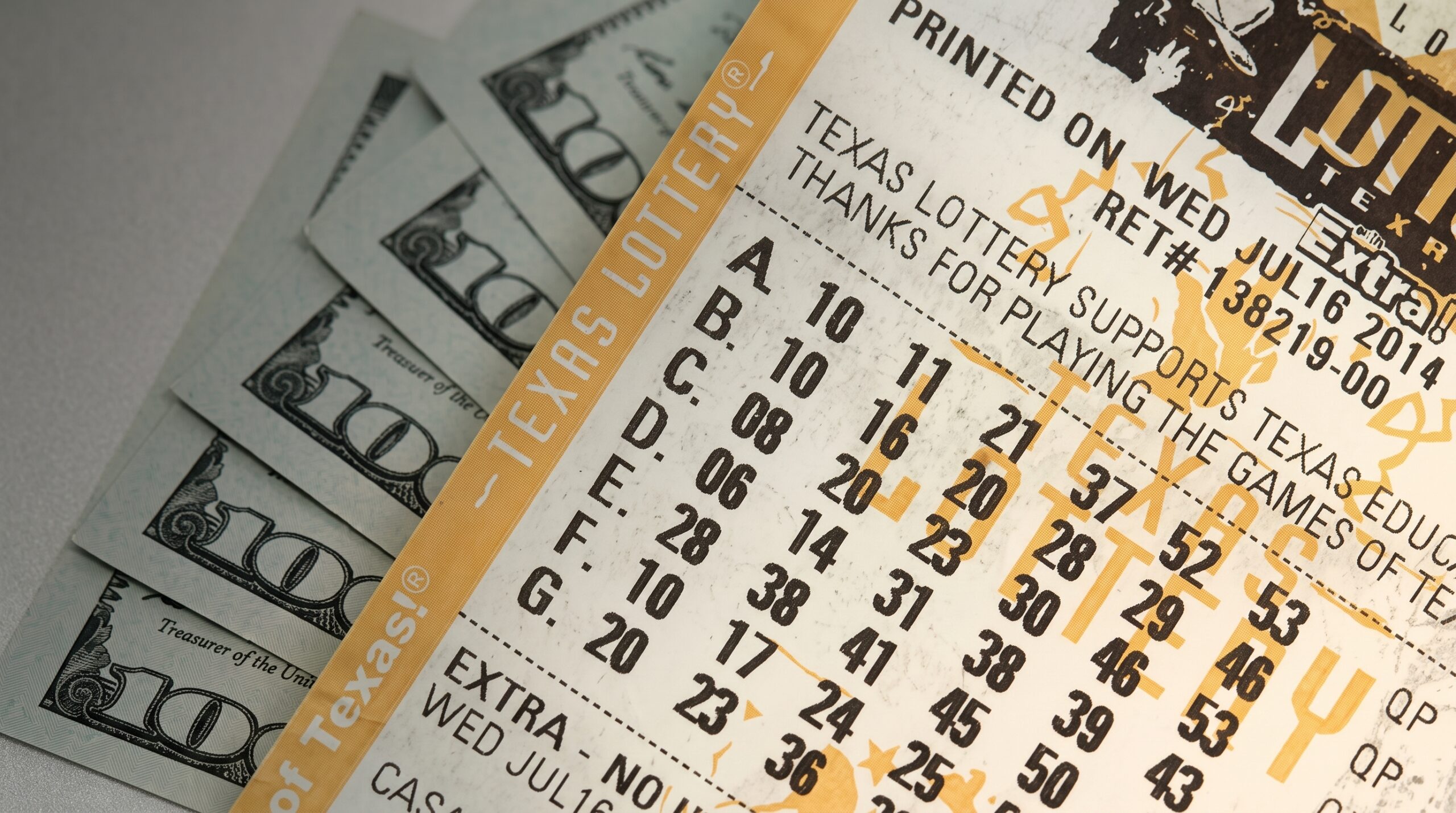
Texas is choosing the company that will run its lottery for the next decade, and the decision will outlast the lottery’s own legal authorization to exist. The Texas Department of Licensing and Regulation, or TDLR — the state agency that now oversees the lottery after absorbing it from the old Texas Lottery Commission last year — expects to announce a winner on or before Nov. 2, 2026.
TDLR issued the request for proposals, or formal call for bids, on April 28, 2026, through the Texas Electronic State Business Daily, the state’s public listing service for contract solicitations. Three companies sent representatives to a May 11 pre-proposal conference: the incumbent, Brightstar Lottery — formerly known as IGT, and before that GTECH — along with Scientific Games and Intralot.
Bids closed July 27. TDLR plans oral presentations from finalists Oct. 7-12 and site visits Oct. 13-23, both at the agency’s discretion, ahead of the award. It is the first major lottery procurement TDLR has run since the lottery moved into the agency on Sept. 1, 2025. An earlier attempt to rebid the contract, opened by the old Lottery Commission in 2024, projected an award by March 2025 and was never awarded.
Brightstar has run the lottery’s day-to-day operations, in one form or another, since the state-run game began in the early 1990s, and has held the specific operator contract at stake since Dec. 14, 2010, when its predecessor GTECH beat Intralot and Scientific Games for what was then a $1 billion award, according to Texas Scorecard.
That contract has been amended 14 times — six under GTECH, eight after the company became IGT — and currently pays the operator 1.9889% of gross lottery sales, a rate that has stepped down from 2.0773% since fiscal 2022, according to the Legislative Budget Board’s budget summary for the agency. On the $7.91 billion Texans spent on lottery games in fiscal 2025, that rate worked out to roughly $157 million paid to the operator.
State law required TDLR to extend Brightstar’s existing contract by up to two years rather than let it lapse mid-procurement, and the company announced Nov. 12, 2025 — in its own statement — that the extension keeps it running the lottery through Aug. 31, 2028, separate from whatever contract TDLR awards now. At the current rate, that bridge extension is worth roughly $315 million over its two years.
In 2025, the Texas Lottery Commission fined IGT $180,000 for making contributions to four legislative caucus funds — the company’s contract barred its lobbyists and employees from giving to a state officer or legislator, “directly or indirectly” — which IGT disputed, saying the donations complied with the contract’s terms, according to the Austin American-Statesman.
A separate controversy centered on lottery couriers, third-party services that sell tickets online and print them at a licensed retailer they typically also own. In 2023, London bookmaker Bernard Marantelli and a syndicate used courier-supplied printing terminals to buy nearly every one of 25.8 million possible number combinations over three days, winning a $57.8 million jackpot, the Wall Street Journal reported; Texas Lottery Commission officials later said the request for terminals had been approved by a junior employee and complied with policy at the time.
A second courier episode tied up an $83.5 million jackpot for months in 2025 while the Texas Rangers and Attorney General Ken Paxton’s office investigated; the state ultimately settled with the winner for $45.8 million, the Texas Tribune reported. Lawmakers banned online courier sales in April 2025; until then, only three states nationally regulated couriers at all, according to a Texas House committee report cited by NPR.
The fallout reached the top of the agency. Two executive directors — Gary Grief, who left in 2024, and his successor, Ryan Mindell, who resigned in April 2025 — and one commissioner stepped down within about a year, as some lawmakers raised the possibility of criminal referrals over the courier episodes.
A 2024 Sunset Advisory Commission review of the standalone Lottery Commission, combined with criticism from Lt. Gov. Dan Patrick and a Gov. Greg Abbott-ordered investigation, led the Legislature to eliminate the commission and fold its functions into TDLR on Sept. 1, 2025.
The RFP itself builds in guardrails aimed at exactly that kind of conduct. It bars proposers’ lobbyists and legislative consultants from trying to influence the process outside the formal bid, requires every bidder to disclose any lobbyist or consultant who worked on its Texas business in the prior three years, and — echoing the clause behind the 2025 fine — bars the winner’s lobbyists, officers and employees from making political contributions to state officers or legislators, directly or indirectly, once the contract is signed.
Violations carry a $10,000 sanction per occurrence, up to termination. Proposals are scored on a 15,000-point scale: 8,000 for quality, 2,000 for past performance, 2,000 for personnel, 1,500 for experience and 1,500 — 10 percent of the total — for cost, evaluated by a committee TDLR’s executive director selects. Any company that wants to formally protest the outcome must post a $750,000 bond.
Whoever wins gets about 20 months to convert the state’s lottery system before going live Sept. 1, 2028, and would hold the contract through Aug. 31, 2038, with an option for TDLR to extend it three more years to 2041. At the current rate and sales, that first 10-year term would be worth roughly $1.57 billion to the winning company, or about $2.05 billion with the renewal — an illustrative estimate only, since the actual price is sealed inside each company’s bid and bidders set their own proposed rate. The RFP excludes internet ticket sales entirely, so any move toward online lottery play in Texas would require new legislation, not just a new contract.
The contract TDLR is about to award runs nine years past the lottery’s own legal expiration date: under the law that dissolved the old Lottery Commission, the state lottery is abolished on Sept. 1, 2029 unless the Legislature votes to continue it after a limited Sunset review — the periodic process lawmakers use to decide whether a state program keeps operating — one year into whichever company’s new contract begins.
The same law requires the state auditor to audit the lottery program every year and TDLR to report annually to the governor and Legislature on its operations. The Legislature convening in January 2027 will also write the 2028-29 state budget, the spending plan that covers the new operator’s first paid year. TDLR has said it will name the winner on or before Nov. 2 — the day before Texans vote in the next general election, and about three months before the lawmakers who fund the deal go back into session.