
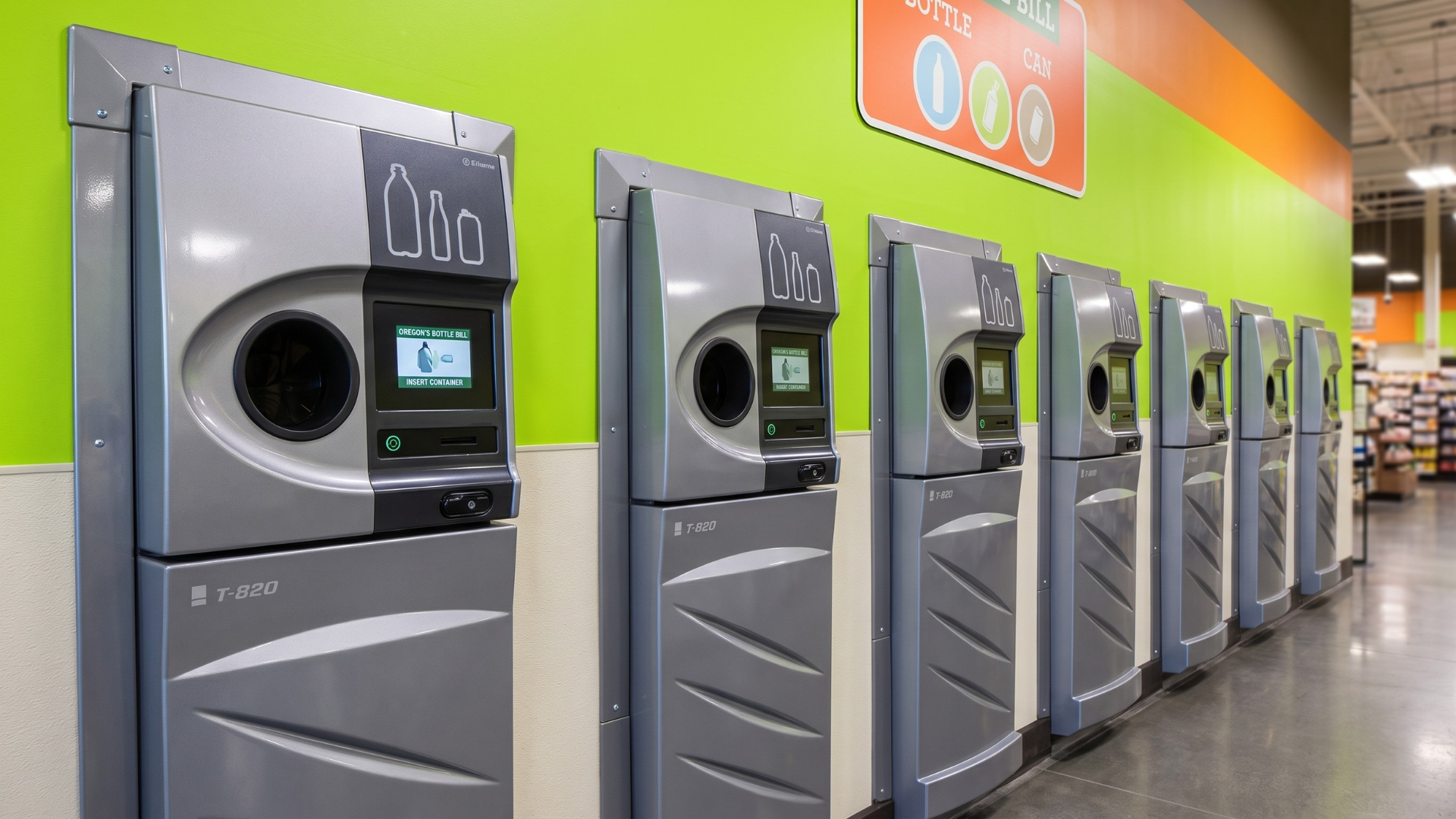
Oregon has published the first hard results from its producer-funded recycling system, offering a working example of the kind of stable, self-financing collection infrastructure Texas could build. In its inaugural annual report, released July 2, Circular Action Alliance Oregon said more than 2,900 producers reported over 409,000 tons of covered packaging and paper to the program, which processed more than 144,000 tons of recyclables, including 18,800 tons of glass, in its first year, according to reporting by Resource Recycling.
The program, which launched July 1, 2025, under Oregon’s Recycling Modernization Act, is funded entirely by the producers of packaging rather than by taxpayers, with the state’s Department of Environmental Quality holding oversight. In its first six months it paid for 20 new drop-off centers, 42,000 recycling carts and 12 collection trucks, putting more than 605,000 residents newly within 15 miles of a drop-off site, Resource Recycling reported.
“Producer funds are already being put to work across Oregon, from new recycling carts and collection equipment to expanded access points and local program support,” CAA Oregon executive director Kim Holmes said in a statement. The organization called 2025 a “build year,” with heavier spending scheduled through the law’s end-of-2027 full-implementation deadline.
Texans bought an estimated 23.7 billion beverage containers in 2021, and roughly 80% were landfilled or littered, wasting about $372 million a year in recoverable material, according to figures from the National Association for PET Container Resources and a Texas A&M Mosbacher Institute analysis that recycling advocates cite. Unlike Oregon, Texas has neither an extended-producer-responsibility law nor a container-deposit system to capture that value; the collection that does happen is funded by cities and exposed directly to swings in commodity markets.
Those swings were on display last month. National average prices for post-consumer natural HDPE fell from 84.5 cents to 57.13 cents per pound, and polypropylene dropped from 19.69 cents to 14.75 cents, while PET rose only marginally to 2.86 cents per pound, down from 14.99 cents a year earlier, according to the Secondary Materials Pricing Index reported by Resource Recycling.
Aluminum cans, the most valuable material in the bin, firmed from 89 cents to 93 cents per pound. A curbside system that depends on those numbers rises and falls with them; a producer-funded or deposit-based system builds infrastructure and recovers material regardless, insulating recovery from the month-to-month market.
Texas came closer than usual last session. A container-deposit measure, House Bill 2048 and its companion Senate Bill 728, which set a 75% recovery target by 2035, cleared the House Environmental Regulation Committee on a 6-0 vote on May 2, 2025, before dying at the end of the session on May 15. Supporters expect a refile in 2027.
Some beverage companies and retail groups argue deposits amount to a hidden cost and duplicate existing curbside service, and the National Association of Wholesaler-Distributors is pressing constitutional challenges to packaging EPR in Oregon and California; California’s SB 54 rules are drawing lawsuits and New York’s program has stalled repeatedly, Resource Recycling reported.
But Oregon’s first-year figures give Texas lawmakers something concrete to weigh against the status quo. The question the 2027 session will face is whether Texas keeps landfilling hundreds of millions of dollars in containers each year, or builds a system to capture them.