
When Texas overhauled how it funds community colleges in 2023, the state made a bet: pay for results — credentials earned, students transferred, workforce needs met — instead of enrollment. The colleges took the bet seriously, says Rep. Donna Howard. Under House Bill 8, dual credit enrollment surged and campuses across the state met or exceeded the new performance metrics. Then, says Howard, the state didn’t hold up its end.
“We put a formula in place, and they outperformed,” Howard says. “And we didn’t appropriate enough to cover rewarding them for those outcomes. So now we’re saying, okay, you did it. Thanks so much. Sorry — you set out your budget thinking you were going to get money. You’re not going to get all that money.” Her prescription is simple: honor the commitment first, adjust the formula later if it needs it. “I think we should maintain our promises to our community colleges.”
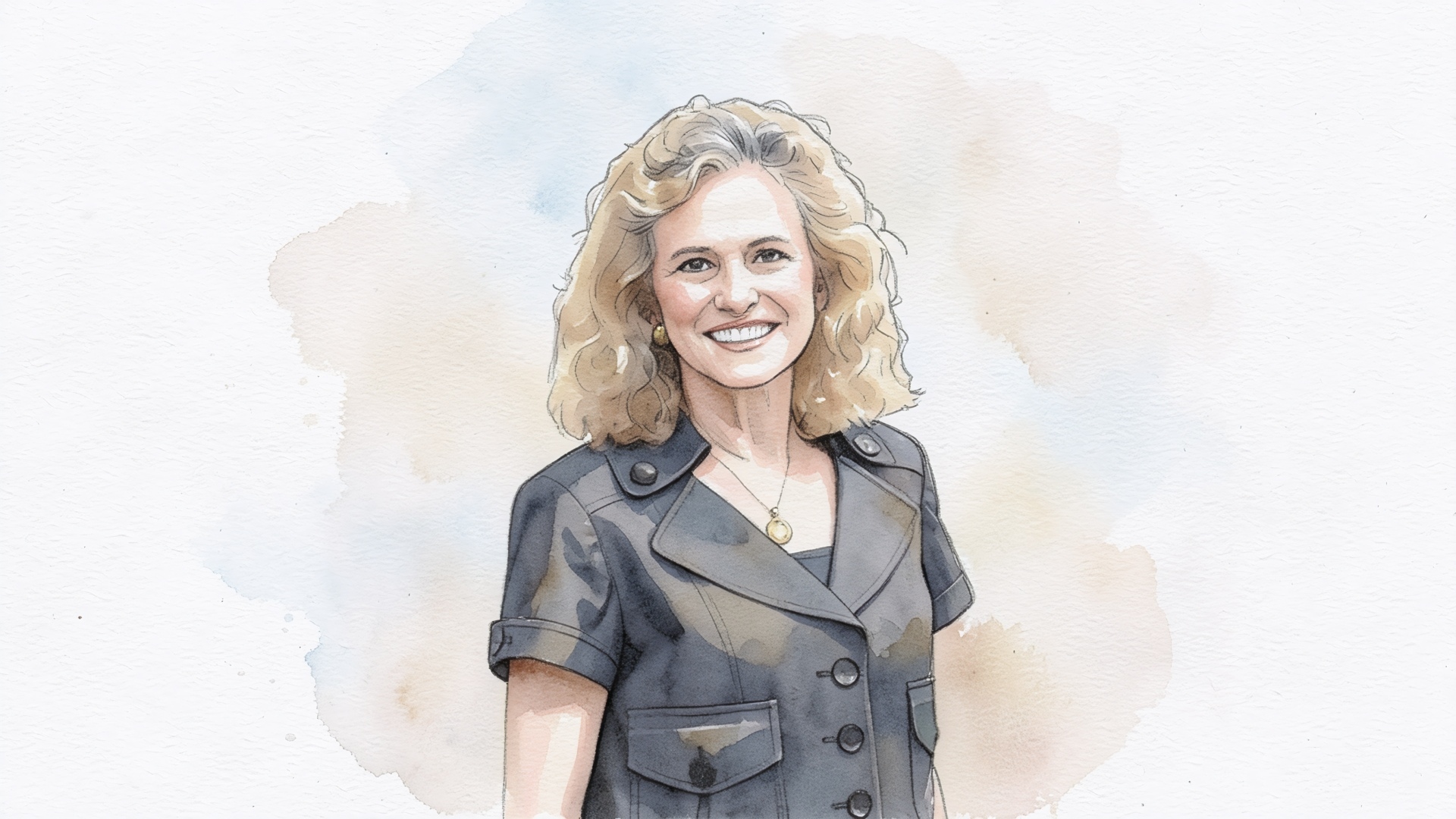
That principle — if the state requires it, the state should fund it — runs through nearly everything Howard works on. A former critical care nurse at Austin’s Brackenridge and Seton hospitals with nursing and health education degrees from the University of Texas, Howard has represented House District 48 in western Travis County since 2006.
She serves as vice chair of the Higher Education Committee and of the Appropriations subcommittee overseeing health and human services, chairs the Texas Women’s Health Caucus, and was recently appointed to the Sunset Advisory Commission — an assignment she lobbied for because the commission is reviewing the state’s health agencies this cycle, along with the foster care system and the Texas Workforce Commission.
The mandate-without-money problem, she argues, extends well beyond community colleges. Public schools are required to teach specific curriculum with certified teachers, yet per-pupil funding, adjusted for inflation, sits roughly where it was in 2019, Howard says. Nonprofits delivering state-required services, like early childhood intervention providers, are asked to do more than their funding covers. “It’s not saying fund everything,” Howard says. “But if you’re going to ask for something, especially if you’re going to tie funding to it, then that funding should be there.”
Nowhere are the stakes clearer to her than in rural health care. Nearly half of Texas counties are maternity care deserts, lacking any hospital, birthing center or practitioner trained in obstetric care, and Texas has recorded more rural hospital closures than any state in the nation — with labor and delivery units often the first casualties of hospital budgets. Last session, lawmakers put more money into mobile health units that carry prenatal and other services into those communities, an investment Howard hopes to expand. “Prenatal care is so critical for pregnancies,” she says. “They have to travel hundreds of miles to get the care they need.”
Her nurse’s-eye view shapes her preferred fix for the provider shortage: let advanced practice nurses work to the full extent of their license and training. Today, Texas nurse practitioners must pay a supervising physician — an arrangement Howard says often exists “on paper only,” and one that can collapse a rural clinic overnight if the physician moves or walks away. Twenty-seven states already allow independent practice, and the recent Texas bills have come from Republican authors.
“We have nurse practitioners who have the skills and the willingness to go into these communities and set up clinics,” she says. The opposition, she notes, has come almost entirely from physician groups: “It’s not like there’s a real reason for this, other than changing a business model that’s been in place for a while.”
The funding principle also puts her in the middle of the Legislature’s biggest looming fight: property taxes. Howard doesn’t quarrel with the appetite for relief — she notes the state has already built large exemptions that leave some seniors paying nothing. Her question is arithmetic.
Eliminating school property taxes would leave a hole she puts at roughly $80 billion, in a state with no income tax, a constitutional ban on a statewide property tax, and a sales tax already among the nation’s highest. “We would have to more than double what our sales tax is,” she says — a burden that would fall on businesses as well as consumers. And property taxes fund more than schools: community colleges, trauma care, courts. “It all sounds good until you start looking at the details.”
Howard closes with a contrarian note on the state budget itself. After two sessions of historic surpluses, agencies have been told to draft 3 percent cuts in anticipation of leaner times. She thinks the gloom is overdone: inflation lifts sales tax collections even as it raises costs, and the state’s rainy day fund has hit its constitutional cap. She was headed from the interview to a meeting with the comptroller’s office to firm up the numbers. “We have a lot more than people think,” she says. “We have some money to invest in things if we choose to.”
After nearly 20 years in the House, Howard is candid that much of the job is less about passing bills than brokering conversations — bringing constituents with competing interests to the same table and looking for common ground. “I’m of a particular party, I’m of a particular ideology,” she says. “But I’m also a person who’s lived here my entire 74 years… I want to make sure that whatever we do, it’s in the best interest of the majority.”