
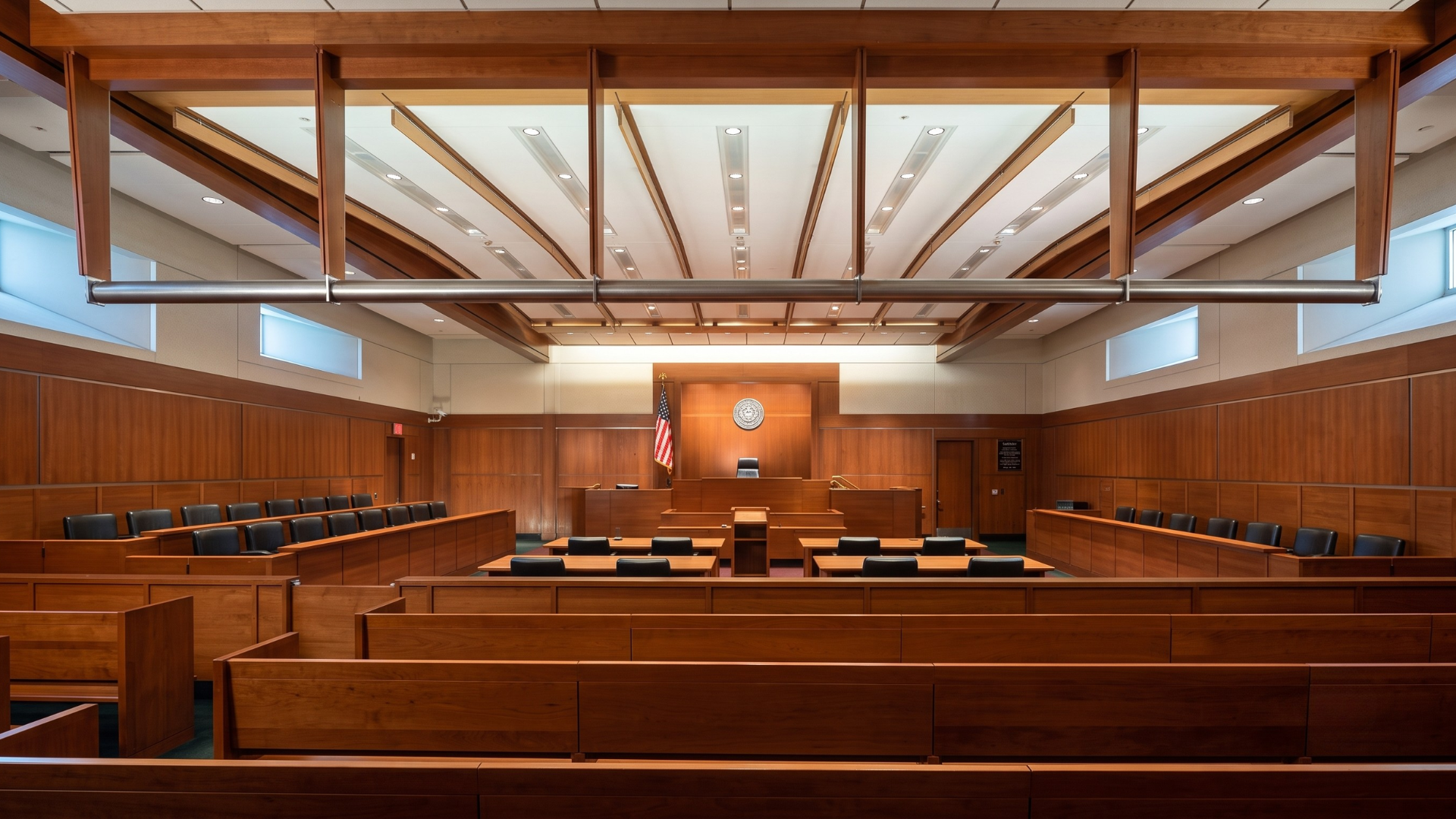
The first courtroom test of a state packaging-recycling mandate went to trial last week in Oregon, and Texas has a stake in the outcome on two fronts. A federal bench trial in National Association of Wholesaler-Distributors v. Feldon opened July 13 in the U.S. District Court for the District of Oregon, testing the constitutionality of Oregon’s Plastic Pollution and Recycling Modernization Act — the nation’s first operating packaging extended producer responsibility program.
According to trial coverage by the law firm Bergeson & Campbell, the second day of testimony turned to how Oregon’s law affects interstate supply chains. NAW argues the program violates the Due Process Clause by delegating fee-setting authority to Circular Action Alliance, an industry-funded nonprofit, and the Commerce Clause by reaching out-of-state businesses.
Texas Attorney General Ken Paxton has already picked a side in the parallel fight. NAW said in its announcement that Texas is one of 17 states whose attorneys general joined a federal lawsuit filed June 22 challenging California’s SB 54, the nation’s most expensive packaging EPR law.
Nebraska Attorney General Mike Hilgers, who leads the coalition, said “California does not get to set national policy,” according to Packaging Dive, which reported the filing. NAW President and CEO Eric Hoplin said in a statement that “no state should limit interstate commerce, let alone delegate the power to set and collect taxes to a third party outside of the scope of public scrutiny.”
The scale of what Texas is objecting to is documented. Circular Action Alliance projected in its draft California program plan, filed with CalRecycle in June, that the state’s EPR budget may reach $1.87 billion in 2027 and as much as $17.2 billion over five years, according to Packaging Dive’s review of the filing.
That is the backdrop against which Texas keeps passing over a considerably cheaper mechanism. A container-deposit refund system shifts collection costs to the people who buy and redeem containers rather than to a producer-responsibility organization with rulemaking power, and it does not raise the constitutional questions now being litigated in two federal courts. House Bill 2048, the Beverage Container Recycling Refund Program, would have set a 75% beverage-container recycling target by 2035. It cleared the House Environmental Regulation Committee 6-0 on May 2, 2025, then died when the session ended on May 15.
The recovery gap is what a deposit would close. Kate Bailey, chief policy officer at the Association of Plastic Recyclers, has said that 60% of the PET bottles collected for plastic recycling nationally come from the 10 states with bottle deposits, and Glass Packaging Institute President Scott DeFife has said 60% of the cullet that goes back into new glass bottles comes from the same 10 states, according to Packaging Dive’s account of a National Stewardship Action Council webinar.
Texas has no deposit and, according to figures from NAPCOR cited by bottle-bill supporters, landfills roughly 80% of the 23.7 billion beverage containers it consumed in 2021 — an estimated $372 million in material value buried each year. Texas manufacturers meanwhile import what they cannot collect: a Knauf Insulation supervisor testified that the company’s McGregor plant needs 70 to 90 tons of glass cullet a day and sources it from other states and countries.
Some beverage and retail groups continue to also oppose a deposit as a hidden cost that duplicates existing curbside collection, and that argument helped stall HB 2048 in 2025. But the case against EPR that Paxton has now joined — that an unelected organization should not set fees businesses cannot challenge in court — does not apply to a refund paid directly to the consumer who returns the bottle.
A ruling in the Oregon case is not expected immediately; attorneys at Holland & Knight have said a decision could come as late as this fall. Whatever the court decides, Texas lawmakers return in January 2027 with a bill already drafted and a fresh set of reasons to look at it.