
Texas’ first-year education savings account program is on track to fund nearly 96,000 students for 2026-27, roughly 23,000 more than began drawing money on July 1. The Texas Comptroller has awarded funding to an additional bloc of families beyond the 73,000 students who received their first deposits at the start of the month, pushing the total toward 96,000, according to The Texan.
The scale-up comes as two program deadlines land: families awarded seats must confirm enrollment at a participating school, select homeschool, or opt out by July 15, and private schools must verify each student through the state portal by July 31.
The Texas Education Freedom Accounts program, created by Senate Bill 2 in the 2025 session, is funded at $1 billion for its first biennium — the largest first-year school-choice launch in the nation, the Comptroller’s office has said. More than 274,000 families applied during the February-to-March window, with roughly 25,500 found ineligible, according to the Comptroller’s program materials.
Participating private-school students receive $10,474 for the year, equal to about 85 percent of the statewide average of state and local funding per public-school student; homeschool and other nonpublic students receive $2,000. Private-school awards are paid in installments — 25 percent on July 1, 25 percent on October 1, and the balance in February — through an online wallet administered by the vendor Odyssey, alongside a new TEFA Marketplace that launched July 1.
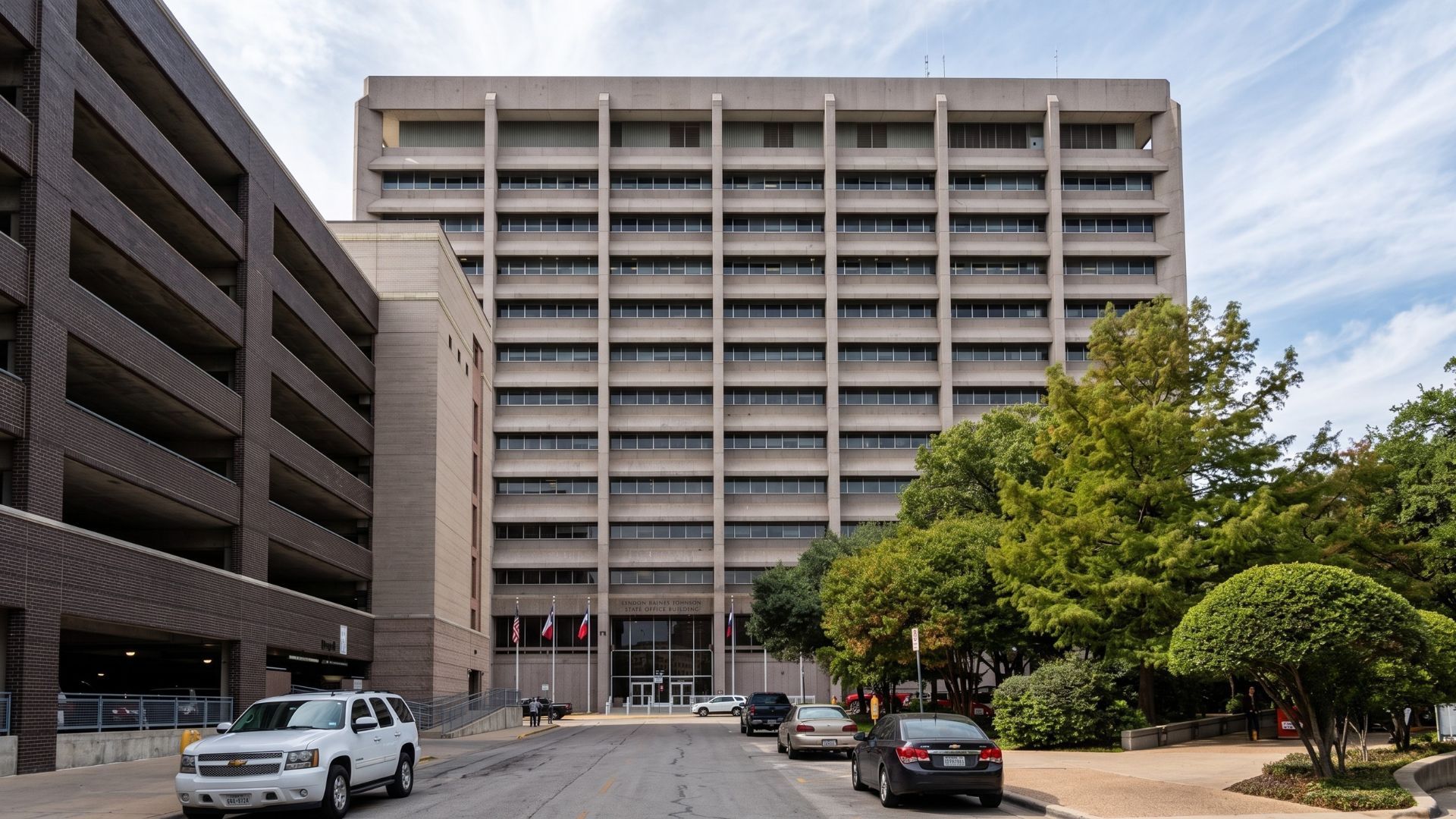
The expansion arrives during a leadership transition at the office that administers the accounts. Acting Comptroller Kelly Hancock is set to resign at the end of the month, and Governor Greg Abbott has appointed former state Senator Don Huffines to the post, according to The Texas Tribune. The comptroller’s office is responsible for eligibility, disbursement and vendor oversight for the program, so the handoff places a new administrator over the accounts just as the first full year of spending begins.
Supporters frame the numbers as evidence of demand for options that did not exist a year ago. The Comptroller’s office has said a large majority of awarded families fall at or below 200 percent of the federal poverty level, and a substantial share are leaving public schools — data program backers, including Texas Policy Research, cite as proof the accounts are reaching working families rather than only the affluent.
The program’s critics point to the same application figures from the other direction. With more than 274,000 families seeking seats and fewer than 96,000 funded, demand outstrips available slots by roughly three to one, and opponents argue the money would otherwise flow to neighborhood campuses. “You’re diverting funds from the public education system,” Sam Houston State University professor Mike Yawn told KBTX earlier this summer, “and that will have an impact — at least in the short term.”
How many of the roughly 96,000 awarded families actually direct their funds will not be clear until the July 15 and July 31 confirmations close, and the totals will shape how much of the $1 billion is committed in year one. The comptroller’s office is expected to report enrollment-confirmation figures after the deadlines pass — the first real measure of whether awarded seats convert into enrolled students.