
With the state’s July 25 certification deadline behind them, county appraisal districts have handed local taxing units their certified 2026 tax rolls — the official value of everything they can tax — and the yearlong property-tax fight now moves from what your home is worth to the rate your city, county and school board set in August.
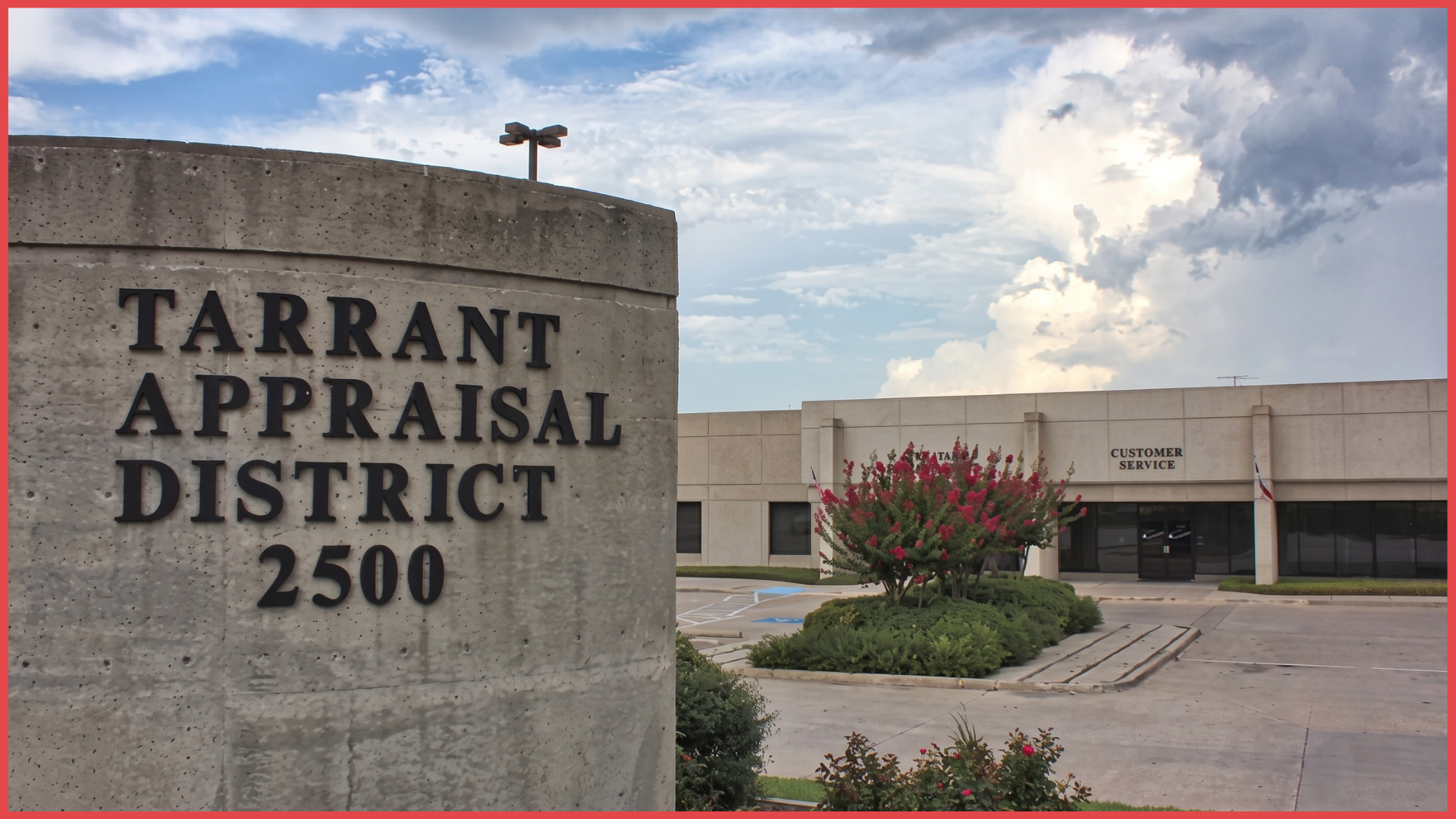
The largest district to set its rolls early this year was Tarrant County. The Tarrant Appraisal District said in a July 22 announcement that it certified the 2026 roll ahead of schedule, in the same year it switched to a new appraisal software system called True Prodigy — the largest district in the state to make that move.
It did so during what the district called one of its busiest protest seasons on record: 307,901 protests filed, a 13% increase over 2025, with 99% resolved by staff before reaching a formal Appraisal Review Board hearing. On the last day of the filing period alone, the district said it answered more than 12,700 taxpayer calls.
“Transitioning to a new appraisal system while managing a record protest season was a significant undertaking,” Chief Appraiser and Executive Director Joe Don Bobbitt said in the release, crediting staff for keeping “Tarrant County taxpayers” served through the crunch. An on-time roll matters beyond the appraisal office: taxing jurisdictions cannot set their budgets or tax rates until they know the certified value of their base.
That is why the calendar now belongs to elected officials. Under the state’s truth-in-taxation rules, certified rolls are due to taxing units by July 25, after which cities, counties, school districts and special districts hold rate hearings in August and adopt final rates by late summer.
Certified values only set the base; the rate applied to that base is where the tax bill is actually decided — and where taxpayers still have leverage this year, because most of those hearings are public and most rate increases above a set ceiling require either extra disclosure or a public vote.
Under Senate Bill 2, the 2019 law that rewrote the rules, a city or county generally cannot collect more than 3.5% more property-tax revenue than the prior year — not counting new construction — without voter approval. But when taxable values fall, the rate that produces that same revenue rises automatically, letting a jurisdiction raise its rate while truthfully saying it is not collecting much more money.
San Antonio is the clearest example: facing a $158 million two-year deficit after a 2.1% drop in its base taxable values, city staff have proposed raising the rate as high as the law allows without a vote — about $81 a year on the average homestead, according to the San Antonio Report. It would be the city’s first rate increase in 33 years although past budgets have include tax bill increases on the average homestead. A formal budget lands August 13, with a council vote in September.
The Dispatch reported earlier this month that home values were cooling ahead of the July 25 certification, and that Gov. Greg Abbott and Lt. Gov. Dan Patrick are advancing competing 2027 plans to cut the burden. Neither reaches this year’s bills. For 2026, the number that decides what Texans pay will be set in a string of August hearings — and, in San Antonio’s case, at the ballot box only if the council decides to go above a 3.5% increase.