
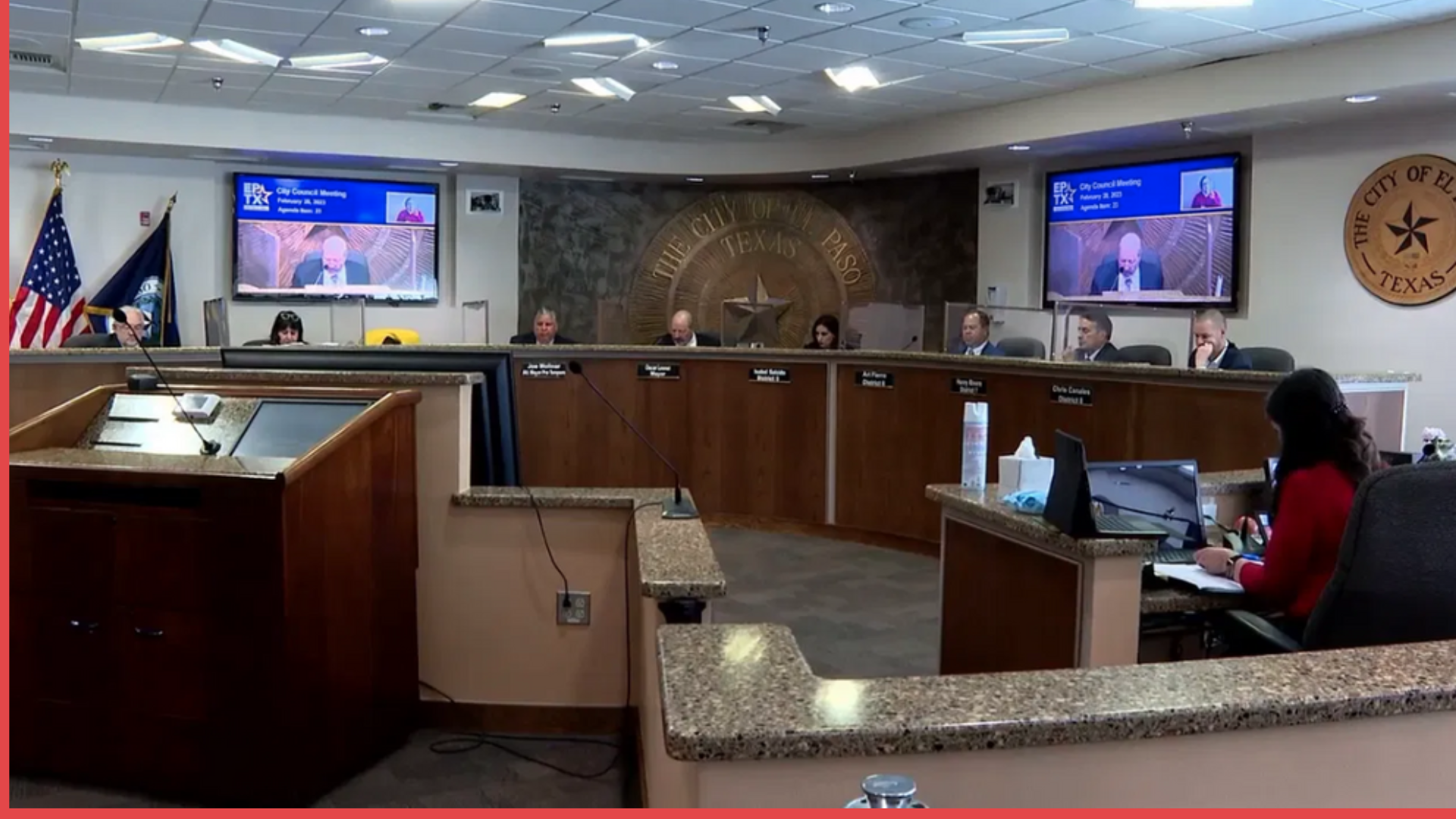
The El Paso City Council voted 5-3 on Tuesday to advance the highest property tax rate the city can adopt without asking voters — a move that would raise the city tax bill on an average-value home by about $132 a year, according to reporting by El Paso Matters. The vote landed days before today’s statewide deadline, set by Texas Tax Code Section 26.04, for every taxing unit to calculate and post two numbers on its website: the no-new-revenue rate, which would bring in the same property tax dollars as last year from the same properties, and the voter-approval rate, the ceiling a local government can reach before an election is required.
Those two numbers matter because they are the taxpayer’s only early warning. Once posted, they show exactly how far above “no new revenue rate” each city, county, school district and hospital district proposes to go — before any hearing is held and any rate is final. The Texas Dispatch reported on the posting requirement when the deadline was a week out; the first hard numbers are now arriving.
El Paso’s proposed rate is 80.9 cents per $100 of property value, the voter-approval maximum, to support a general fund of about $665 million — a 6.6% increase over the current year, per El Paso Matters. While termed the “no new revenue rate,” it does include additional revenues from new development, city services, and other taxes. It just means the city is collecting the same property tax revenue from the same property owners as last year – meaning, no increase in their tax bill.
The owner of an average-value $232,669 home would see a city tax bill of about $1,883, up roughly 7.5% from last year. Council members Josh Acevedo, Chris Canales, Art Fierro, Deanna Maldonado-Rocha and Cynthia Boyar Trejo voted to introduce the rate; Lily Limón, Alejandra Chávez and Ivan Niño voted no. Adopting the no-new-revenue rate instead would force the council to spend $24.5 million less than the proposed budget, Chief Financial Officer and Deputy City Manager Robert Cortinas told the council.
Public safety accounts for about 57% of the general fund, roughly $371 million, and the city is negotiating a firefighters’ contract the union values at about $66 million over four years — the city has countered at about $43 million. The city also expects to lose about $7 million in property tax revenue from the larger business personal property exemption state voters approved last year. “We could make adjustments or reductions and defer things, but ultimately it catches up to you,” Cortinas told El Paso Matters, explaining why he is advising against a lower rate.
The rest of El Paso County’s big taxing units are splitting the difference. The county commissioners court introduced its own voter-approval rate Monday, costing about $164 a year on the average home, while the El Paso Hospital District proposed the no-new-revenue rate, still about $10 more a year, per El Paso Matters. Public hearings for the county and hospital district are set for August 17; the city holds its hearing August 17 and its final budget and rate vote August 18. A council can adopt a rate lower than the one it posted, but never higher.
Arlington shows the other side of the same arithmetic. City Manager Trey Yelverton told the council at an August 4 work session that taxable values in the city fell 1.23% this year — the second-largest drop this century — with residential values down 5.13%, according to the Fort Worth Report. The gap between initial appraisals and post-protest values reached roughly $5 billion, five times last year’s figure.
Because values fell, Arlington’s no-new-revenue rate works out to about 63 cents per $100 — a penny higher than the current rate of roughly 62 cents. That is the mechanism taxpayers across Texas will see on notices posted today: when values fall, the no-new-revenue rate rises, and a unit can raise its rate while truthfully saying it is collecting no more money. Mayor Jim Ross said he is comfortable advertising the no-new-revenue rate as the ceiling “but that he doesn’t want to go higher than that,” per the Fort Worth Report; Arlington adopts its budget September 15.
Statewide, the calendar now runs through hearings in August and September, with adoption required before September 30 for most units and an automatic November election for any rate above the voter-approval line. For homeowners, the next move is simple: the numbers required to be posted today, on each taxing unit’s website, show exactly what their city, county and school district intend to ask of them — and the hearings that follow are the only place to answer.