
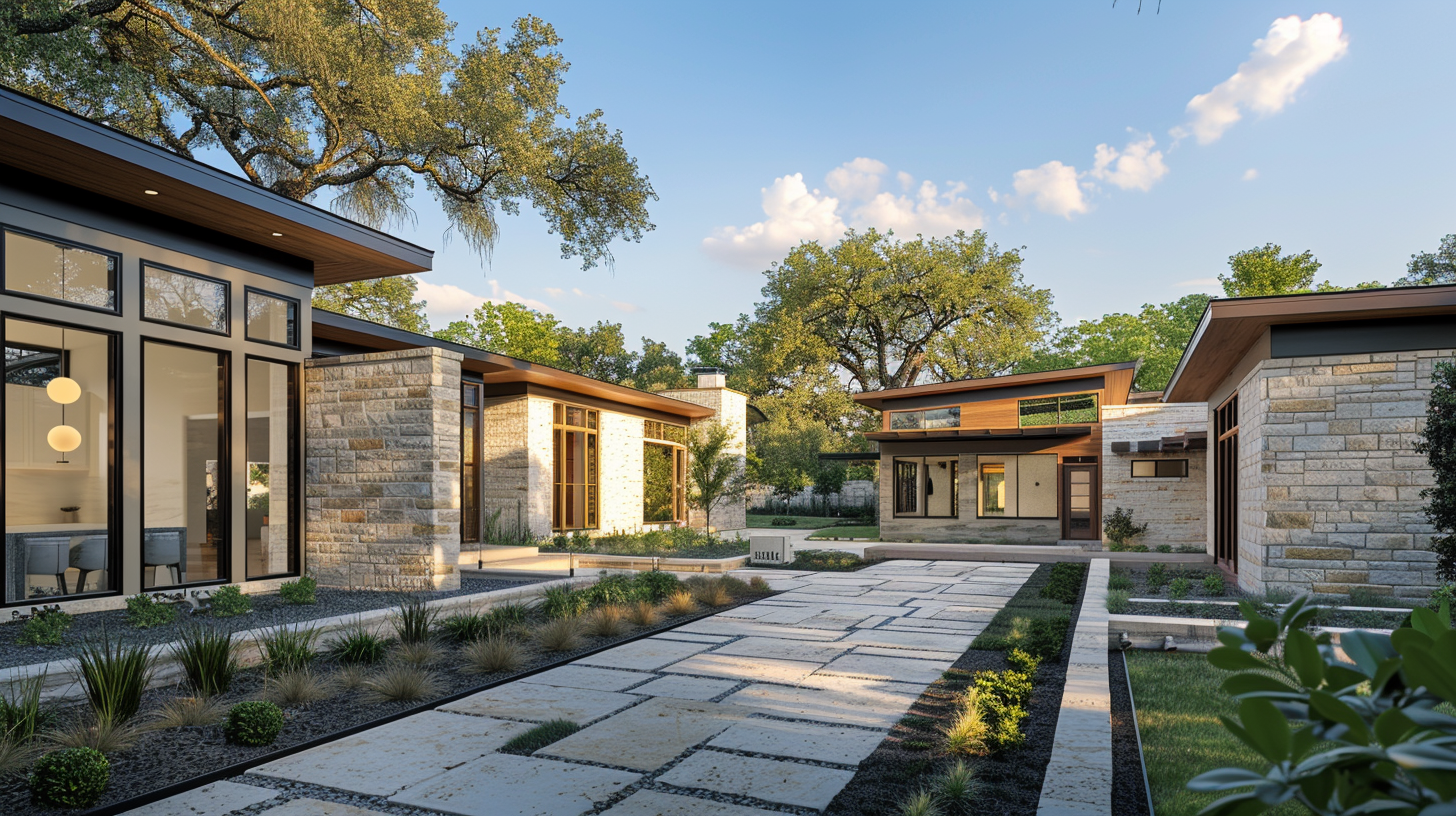
Texas has emerged alongside California as one of the top two destinations in the United States for Asian American, Native Hawaiian, and Pacific Islander (AANHPI) homebuyer migration, according to a report from the Asian Real Estate Association of America (AREAA) shared by Texas REALTORS®.
The annual study notes that these buyers are increasingly drawn to the state by its robust job markets and more affordable housing options compared to high-cost coastal areas.
Data compiled in the report shows the national AANHPI homeownership rate has reached 63.4%, which outpaces the homeownership rates of both Black and Hispanic households but trails non-Hispanic white households at 72.4%.
The research shows that AANHPI buyers frequently have higher-than-average median household incomes and leading credit scores. According to the report, these professionals are heavily represented in high-demand, high-income fields such as computer science, mathematics, and advanced physical sciences.
Despite these strong financial markers, the report highlights challenges within the lending system. AREAA pointed to an Urban Institute analysis revealing that Asian mortgage applicants face a 9.2% loan denial rate compared to 5.8% for non-Hispanic white applicants, with the disparity remaining constant even when matching applicants across identical income levels and debt-to-income ratios.
The findings also warn that broad demographic averages often mask deep economic differences among various cultural groups. For example, data shows that Vietnamese Americans lead all tracked subgroups with a 70% homeownership rate. Meanwhile, Chinese American households hold a 66.2% homeownership rate with a median income of $125,000, and Asian Indian households boast a median income of $175,000 alongside a 62.6% homeownership rate.
Texas real estate professionals note that these distinct cultural backgrounds are directly shaping local property demand. The report indicates that middle-income AANHPI families are 8% more likely to live in multi-generational environments than the national average. This preference has driven an increase in regional demand for flexible home layouts, accessory dwelling units, and properties designed to accommodate aging-in-place retrofits.
Texas REALTORS® stated that understanding these evolving affordability dynamics and cultural preferences allows local agents to better serve a population segment that is actively defining the future of the state’s housing market.