
Consumers don’t often get to celebrate the enactment of a new law, but the legislature’s enactment of a right to repair law is one of those moments.
This month, Texas became the eighth state to allow consumers the freedom to repair a device without the manufacturer dictating where, how, or at what price the work must be done. Consumers will no longer be held hostage by manufacturers, which must now provide the necessary tools, documentation, and replacement parts if a consumer or technician requests them.
For too long, manufacturers have forced consumers to use their parts and repair facilities. Consumers had no practical choice but to wait for an authorized technician, travel to a distant dealership, or replace a product that an independent shop could have repaired. It unnecessarily cost consumers time and money – lots of it.
The law is a step in the right direction, but unfortunately, it excludes some of the most important and expensive products Texans own and rely on from these commonsense protections. It makes no sense that consumers can fix their coffee machine or laptop but cannot repair their car, tractor, medical device, or safety and emergency communications systems. These exclusions empower manufacturer repair monopolies where Texans need them most. This gaping loophole should be fixed in the next legislative session.
It’s great that Texas consumers can now legally have their MacBook or iPhone fixed at a privately owned repair shop, but it is these bigger items like pickup trucks and tractors where monopolies impose the greatest costs on families, farmers, and small business owners.
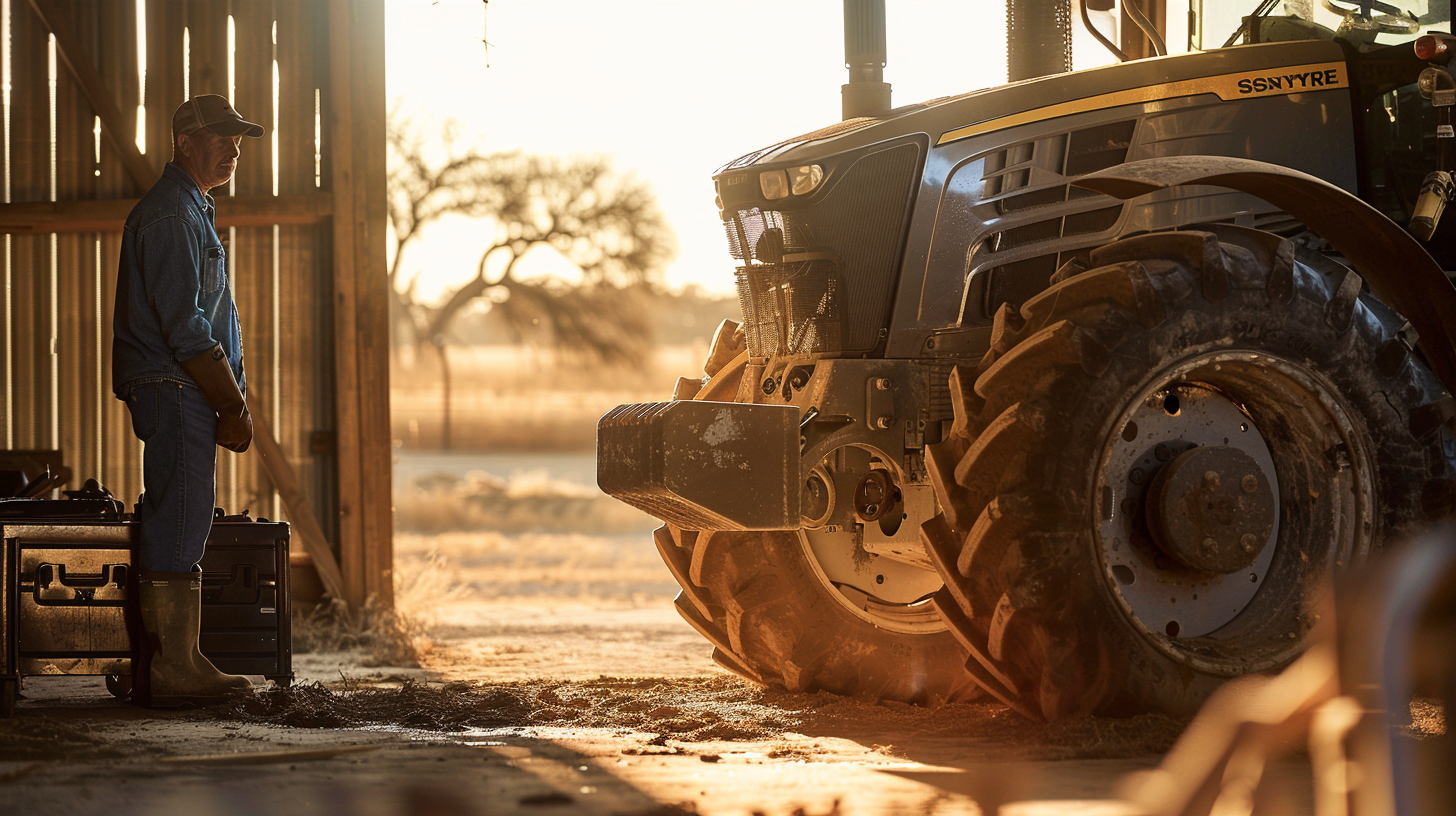
The loophole hits rural Texans the hardest. A farmer or rancher can’t wait days for a corporate manufacturer-approved technician to reach a tractor or other piece of high-tech equipment. This could delay planting and harvesting, threatening a farm’s or ranch’s yearly income.
The recent right to repair settlement involving John Deere shows that broader access is workable. The agreement requires Deere to give farmers and independent repair providers access to repair tools and information while preserving reasonable protections for safety, emissions systems, and intellectual property. Deere was already working to implement right to repair internally, successfully convincing the EPA to provide regulatory clarity that makes it increasingly possible for companies like Deere to give customers right to repair without getting sued by the regulatory state.
Opponents of broader right to repair laws often raise concerns about safety and, of course, intellectual property rights. But the courts and states are addressing these questions with carefully written safeguards. Texas already regulates skilled professionals and dangerous products without granting manufacturers permanent control over every repair.
Texas has now shown that it can stand up for consumers without abandoning the free market. The next legislature and the governor should build on that success by extending practical right-to-repair protections to more of the equipment Texans depend on every day.The next flood, freeze, or ordinary breakdown should not leave a family waiting on a manufacturer’s schedule or paying a monopoly price for a basic repair. Texans own their property. They should also own the decision about who fixes it, period.
James Earl White, a former beef cattle producer, served as a member of the Texas House of Representatives representing District 11. He is also a former candidate for Texas Agriculture Commissioner.