
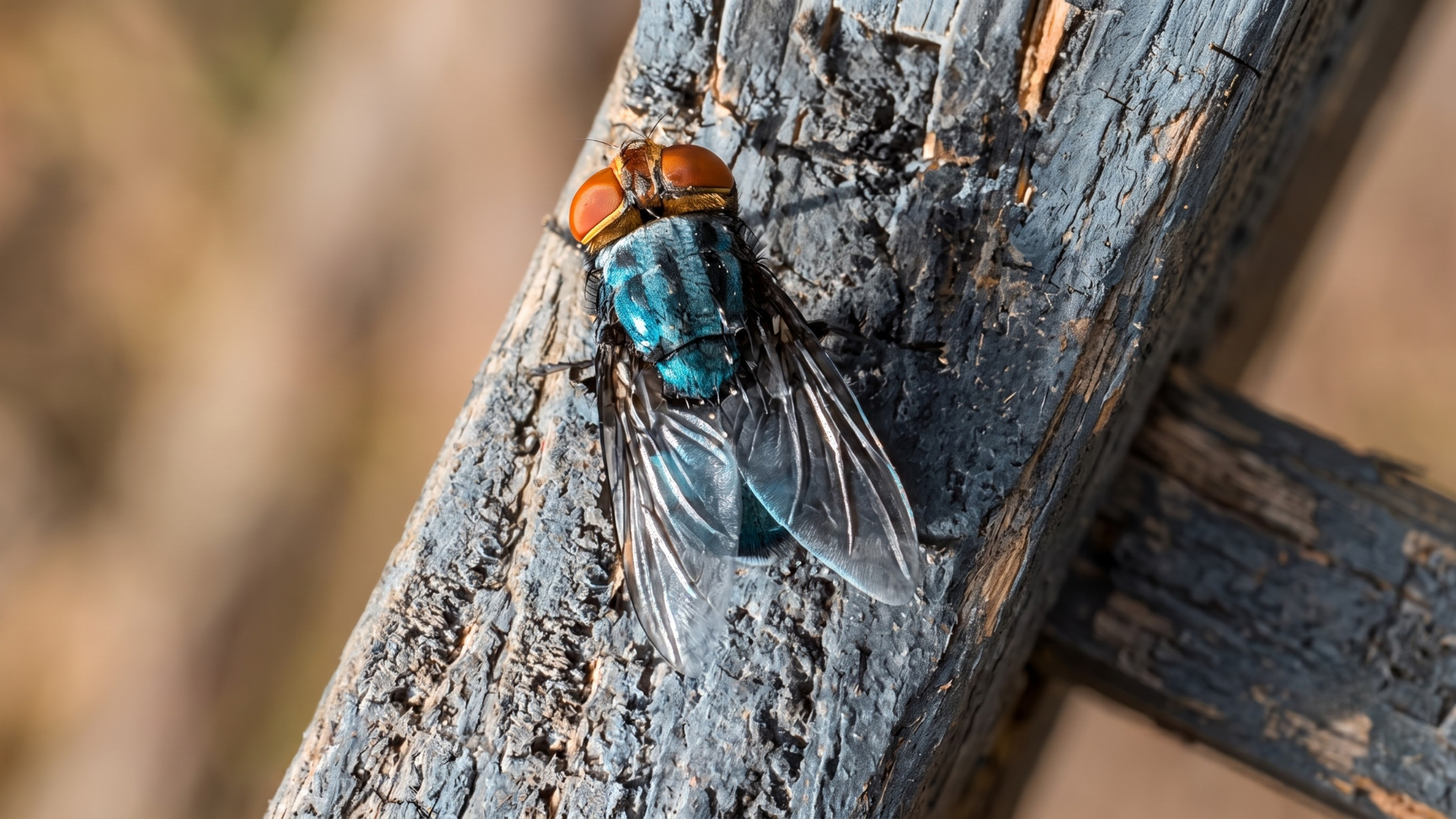
The tally of New World screwworm cases has risen to 34 and pushed into the Big Bend area for the first time, ending a week-long plateau in the outbreak that has spread across West and South Texas since June. According to the U.S. Department of Agriculture, 34 domestic cases have now been confirmed in the United States as of July 9, all of them in Texas and New Mexico, with 20 cases still active and 14 classified as inactive.
Three of those cases were confirmed this month, and two of them mark the pest’s arrival in a new county. USDA confirmed screwworm in a sheep in Crockett County on July 3, a bovine in the Crockett–Brewster County area on July 7, and a second bovine in Brewster County on July 9, as reported by High Plains Journal and San Angelo LIVE! citing USDA figures.
The Brewster County detections extend the confirmed footprint of the outbreak into far West Texas, home to Big Bend National Park and some of the state’s most remote rangeland.
Every confirmed U.S. case has involved domestic livestock. USDA has reported no infestations in wildlife and no locally acquired human cases. New World screwworm is caused by the larvae of the Cochliomyia hominivorax fly, which burrow into the living tissue of warm-blooded animals through open wounds; untreated infestations can kill an animal within about two weeks.
State and federal officials have urged livestock owners to inspect animals for wounds that do not heal properly and to report suspected cases to the Texas Animal Health Commission or USDA.
The Texas Animal Health Commission has responded by declaring New World Screwworm Infested Zones and imposing strict movement restrictions on all warm-blooded animals in portions of 22 Texas counties — one more than the 21 covered a week ago, with Brewster now added to the list.
Those counties are Bandera, Brewster, Coke, Crockett, Edwards, Gillespie, Jim Hogg, Kerr, Kimble, La Salle, Medina, Pecos, Schleicher, Starr, Sutton, Terrell, Tom Green, Uvalde, Val Verde, Webb, Zapata and Zavala, according to the commission’s infested-zone map. Under the orders, no warm-blooded animal, hide or carcass may leave a zone without commission authorization.
USDA’s Current Status page, last modified July 7, confirms that all southern ports of entry remain closed to livestock trade, a closure Agriculture Secretary Brooke Rollins first ordered on July 9, 2025. The federal response continues to lean on the sterile insect technique, in which sterilized male flies are released to collapse the wild population, alongside ground and aerial dispersal in affected areas.
On July 4, USDA publicly released its response to a letter from Texas Agriculture Commissioner Sid Miller, defending that strategy as the agency scales up fly production at plants in Panama, Mexico and South Texas.
The Texas Dispatch has tracked the outbreak since USDA confirmed the first U.S. case in a Zavala County calf on June 3, when the count stood at one; earlier Dispatch coverage documented the tally’s climb to 26 and the opening of a tenth quarantine zone as the pest reached the South Texas borderlands.
USDA said surveillance and response efforts are continuing across the affected zones, and the confirmed-detections dashboard is expected to reflect any further cases as they are verified — including whether the Brewster County detections signal sustained westward movement or an isolated jump.