
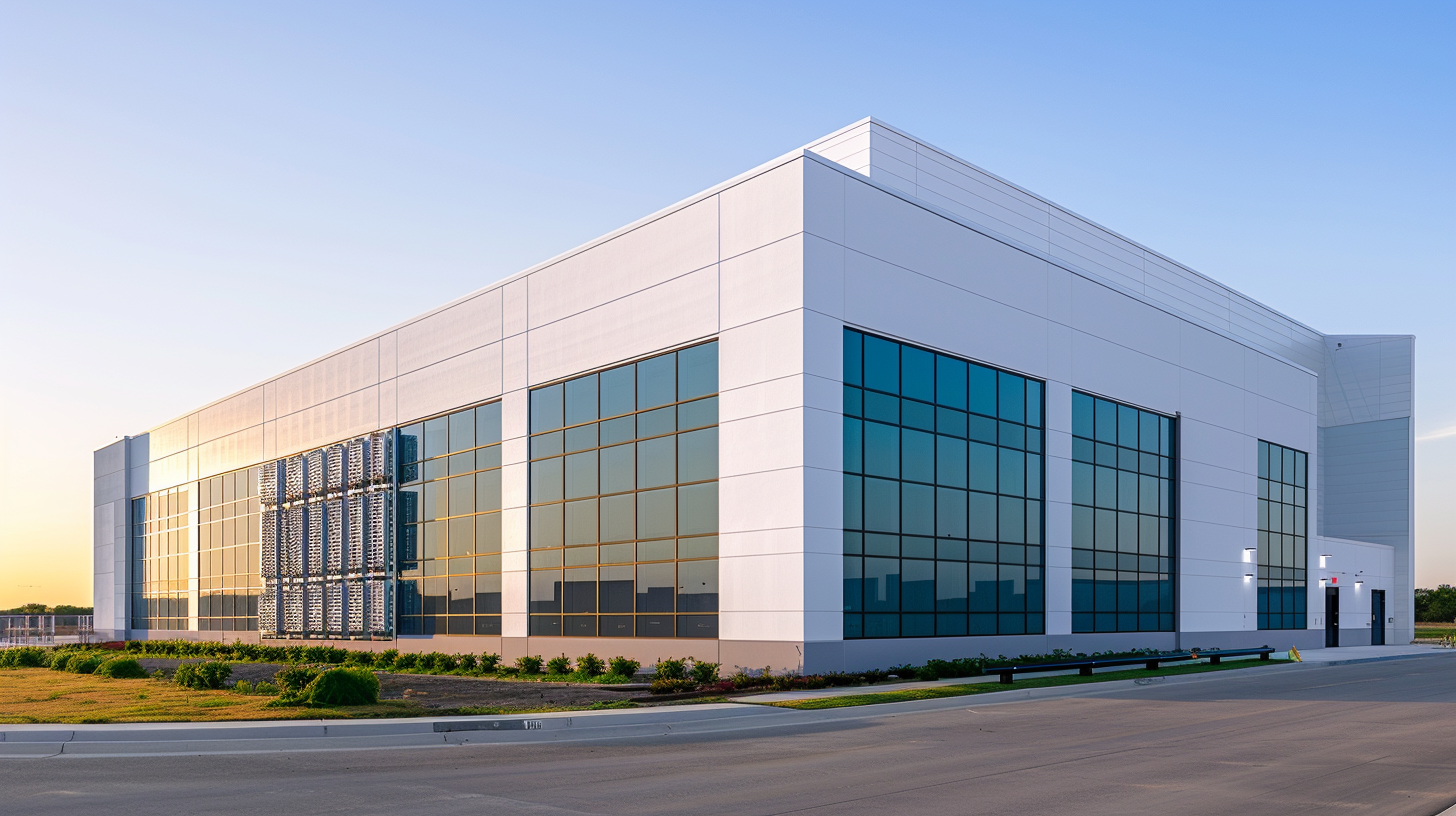
Tech giant Meta Platforms, Inc. issued a comprehensive regulatory response to the Texas House Committee on Natural Resources, detailing its infrastructure cooling mechanisms and long-term water conservation targets amid heightening state scrutiny over industrial resource consumption.
Signed by Vice President of State and Local Policy Dan Sachs, the corporate letter serves as official testimony for the legislative committee’s targeted probe into data center water use and conservation. The document addresses growing anxieties regarding how the rapid, multitrillion-dollar influx of computing facilities impacts regional resources, with Meta highlighting that it currently operates or has under active development three primary data center campuses across Texas—located in Fort Worth, Temple, and El Paso—representing a combined capital investment of more than $20 billion.
The high-stakes regulatory feedback arrives directly on the heels of a contentious, 10-hour hearing held by Committee Chairman Cody Harris (R-Palestine) at the Texas State Capitol, where lawmakers blasted the tech sector for a widespread lack of transparency.
During the session, officials from the Texas Water Development Board (TWDB) and the Public Utility Commission of Texas (PUCT) astounded committee members by revealing that over 80% of the 341 data centers operating in the state completely ignored legally required water consumption surveys, leaving state planners to make vital infrastructure projections using incomplete data.
State Representative Brad Buckley (R-Salado) heavily criticized the sector’s non-compliance, noting that Texas leaders are effectively “making huge decisions on bad data,” while rural citizens and county officials flooded the panel to demand a temporary moratorium or an emergency special session to stop groundwater depletion before the boom becomes irreversible.
In its formal submission to the panel, Meta sought to differentiate its operations from unmonitored industry actors by clarifying the specific mechanics of its facility-level heat rejection systems, which dictate the bulk of an industrial site’s baseline water usage. The company stated that it has established a firm corporate mandate to achieve a “water positive” footprint by 2030, pledging to return a higher volume of water to local watersheds than it consumes across its global fleet.
Meta’s engineering team noted that while its older Fort Worth site relies heavily on direct evaporative cooling paired with closed-loop systems for dense artificial intelligence hardware, its newer facilities currently under construction are specifically optimized for localized climate conditions to systematically lower environmental impact.
The tech firm emphasized that its upcoming Temple site will alternate between dry cooling and direct evaporation depending on the season, while its El Paso data center is engineered to run an adiabatic system that uses zero water for the majority of the year, keeping its typical annual water consumption below the baseline usage of two standard Southwestern golf courses.
Beyond internal engineering overhauls, the tech provider detailed a series of localized public-private partnerships aimed at mitigating the community burdens highlighted by rural critics. In El Paso County, Meta announced it is directly funding the El Paso Water Ratepayer Assistance Program to offset monthly utility bills for 100 families through the AguaCares initiative, while also partnering with regional utilities to utilize treated wastewater effluent instead of potable water for ongoing site construction.
The firm also highlighted its deployment of sensor-based irrigation technology across 2,346 local acres of flood-irrigated crops to reduce Rio Grande agricultural water withdrawals by 105 million gallons annually. To offset its regional consumption in North Texas, Meta confirmed a joint infrastructure venture alongside Ducks Unlimited and the Texas Parks and Wildlife Department to build 206 acres of new functional wetlands within the Richland Creek Wildlife Management Area, an eco-restoration project designed to naturally filter raw Trinity River water before it enters the municipal reservoirs serving the Dallas-Fort Worth metroplex.