
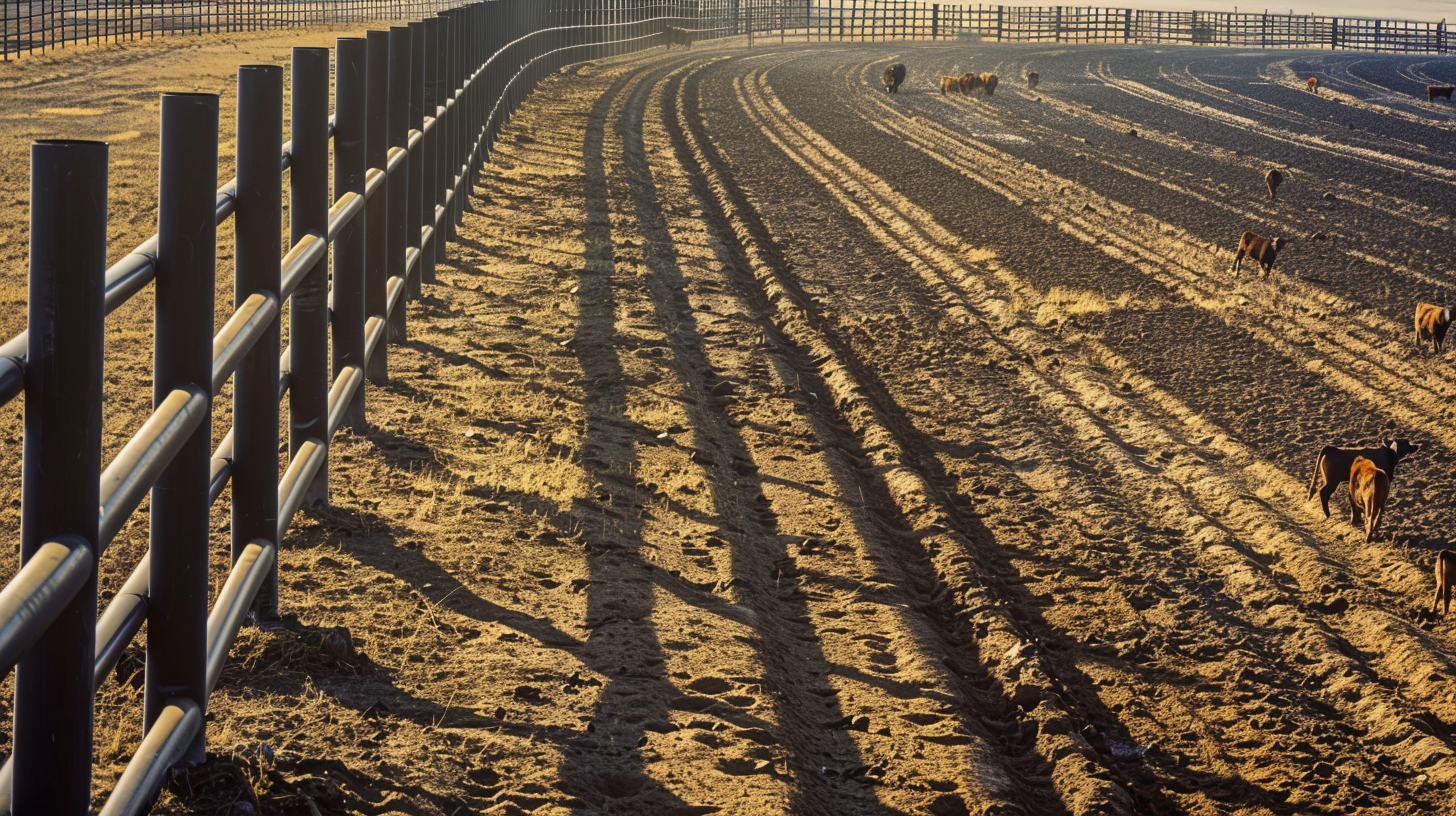
The U.S. southern border reaches one year closed to livestock trade this week, and with New World screwworm now established inside Texas, the calculus for reopening it has been turned on its head.
On July 9, 2025, Agriculture Secretary Brooke Rollins ordered the closure of southern ports to cattle, bison and horses as the pest spread north through Mexico. Twelve months later the corridor is still shut — and Mexico has since suspended most U.S. live-animal imports of its own, leaving trade blocked in both directions.
The original rationale was prophylactic: keep an exotic pest out of a clean U.S. herd. That logic weakened on June 3, when USDA confirmed the first domestic screwworm detection in more than half a century, a calf near La Pryor in Zavala County.
According to the APHIS confirmed-detections dashboard, the U.S. tally stands at 32 infestations — 31 in Texas and one in New Mexico — with the most recent a sheep confirmed in Crockett County on July 3. Movement restrictions now cover parts of roughly two dozen Texas counties under the Texas Animal Health Commission.
Asked in Kerrville whether the domestic cases change the import ban, Rollins said the tension “is not lost” on her and that USDA is watching the data closely, according to reporting by Ag Bull Trading analyst Jim Wiesemeyer. The department, Wiesemeyer wrote, has begun explicitly weighing the economic cost of a prolonged closure against a biosecurity benefit that is no longer absolute now that the pest has crossed the line.
Mexican feeder-cattle imports, historically 1.1 million to 1.2 million head a year, collapsed to roughly 230,000 head in 2025, according to Ag Bull’s analysis of USDA data — a shortfall that has helped drive feedlot placements to multi-decade lows and pushed the CME feeder-cattle cash index into record territory near $379.
Retail has followed: ground beef that ran about $5.50 to $5.80 a pound in early 2025 reached roughly $6.70 to $6.80 by January 2026. The Texas Cattle Feeders Association has warned that operating under current conditions could mean a billion fewer pounds of beef from the Texas-Oklahoma-New Mexico region this year.
The Moore Air Base dispersal facility near Edinburg went active in June, releasing more than 129 million sterile flies since February; Mexico’s renovated Metapa plant is targeted to reach 60 million to 100 million flies weekly around mid-2026; and a roughly $1 billion domestic production plant that broke ground in South Texas this spring will need an estimated 18 to 24 months to reach full output.
Analysts describe a range of options short of a clean reopening. USDA could hold the line, open the westernmost, lowest-risk ports first — the template it built at Douglas, Arizona — or admit only cattle from screwworm-free Mexican states such as Sonora and Chihuahua under regionalization. The last phased reopening, begun July 7, 2025, lasted barely 48 hours before a fresh case forced a reversal. Oklahoma State University economist Derrell Peel has said meaningful volume “doesn’t happen much this year,” and University of Kentucky economist Kenny Burdine warns Mexico is building finishing capacity that could outlast the outbreak.
Analysts say to watch three things: the trajectory of the Texas case cluster, the ramp of sterile-fly production on both sides of the border, and whether Mexico moves to reopen in parallel.