
Texas is learning to adjust quickly to rapid population growth and increasingly frequent extreme weather. With a legislature that meets in regular session only once every two years, that work now spills into special sessions and interim hearings on government programs and spending to protect communities and fund critical infrastructure.
Amid the state’s many competing priorities, Senator Sarah Eckhardt says Texas must keep its focus on two in particular: the twin water challenges of flooding and shortage, and infrastructure investments that keep pace with the state’s growth.
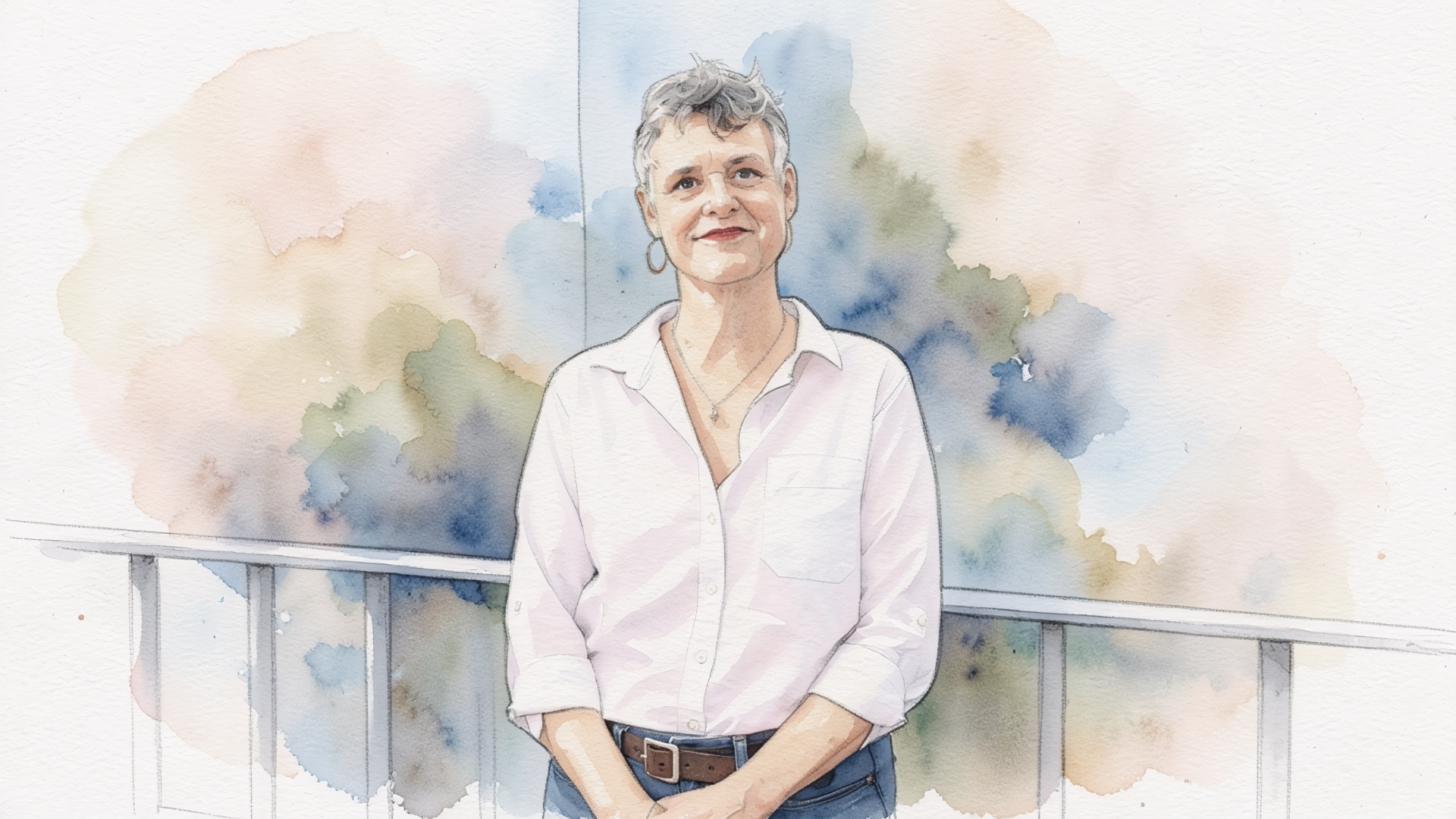
Eckhardt represents Senate District 14, which includes Austin and surrounding areas. A graduate of the University of Texas School of Law and the LBJ School of Public Affairs, she practiced land-use law before entering government service. She served as Travis County judge from 2015 to 2020 — a role that in Texas includes serving as the county’s director of emergency management — before winning her Senate seat, where she is now in her second term and sits on the Administration, Border Security, Nominations and Veteran Affairs committees.
That emergency management background shapes how she views the state’s response to the July 2025 Hill Country floods, which killed more than 130 people along the Guadalupe River and ranks among the deadliest floods in Texas history. Lawmakers responded in special session with a $324 million package funding flood warning sirens, improved weather forecasting and interoperable emergency communications in affected counties.
Eckhardt wants more. She points to recommendations that she says remain unfinished from the state’s first-ever flood plan, adopted by the Texas Water Development Board in 2024, which found roughly five million Texans living in flood-prone areas.
Among them: full statewide radio interoperability for emergency responders and stronger county authority to regulate development in flood-prone areas — a power Texas counties largely lack, unlike cities. “We can solve this,” she says. “We just have to recognize that we have a problem.”
Flood preparation, she says, must include tougher building standards and greater public investment. The scale of the exposure is measurable: no state experienced more billion-dollar weather disasters than Texas from 2020 to 2024, with 68 such events, according to federal data.
“We have more extreme weather than any other state in the nation,” Eckhardt says. “We need to take this seriously, and we need to take it seriously as a society.” She argues that expecting individual homeowners to shoulder the full cost of adapting to changing conditions “is just not tenable.”
Those costs are already showing up in insurance bills. Texas homeowners pay some of the highest property insurance premiums in the country, and rates have risen faster here than in any other state in recent years, driven largely by weather-related losses.
Eckhardt says insurers evaluate emergency response capabilities, evacuation infrastructure and regulations designed to reduce property damage when setting rates. “Because we rank low on those things, our property insurance goes up,” she says. Better preparedness, in her view, is also a pocketbook issue.
On the supply side, Eckhardt says Texas has underinvested in water systems for years — a gap voters moved to close in November, approving a constitutional amendment that dedicates up to $1 billion a year for two decades to the Texas Water Fund, the largest water investment in state history.
She questions why drought still receives less attention than floods or wildfires despite its consequences. “Droughts are a slow-moving disaster,” she says. “The effects of those droughts are long lasting.”
The water question looms over the state’s data center boom. Lawmakers addressed the grid impacts of large facilities in 2025, requiring big power users to share transmission costs and curtail use during emergencies, but the law set no requirements for tracking or managing data center water use, and utility regulators only recently began surveying facilities about their consumption.
Eckhardt says the state should establish statewide standards before more facilities are built. “We need to make sure that the water that’s utilized is a closed-loop system, so that they don’t use more water, and that we know how much water they are going to be using and that it be capped,” she says.
She also wants counties to have more authority over where data centers locate — the same local-control theme that runs through her flood agenda. “The state should set a minimum standard,” Eckhardt says, while allowing local governments to address concerns unique to their communities.