
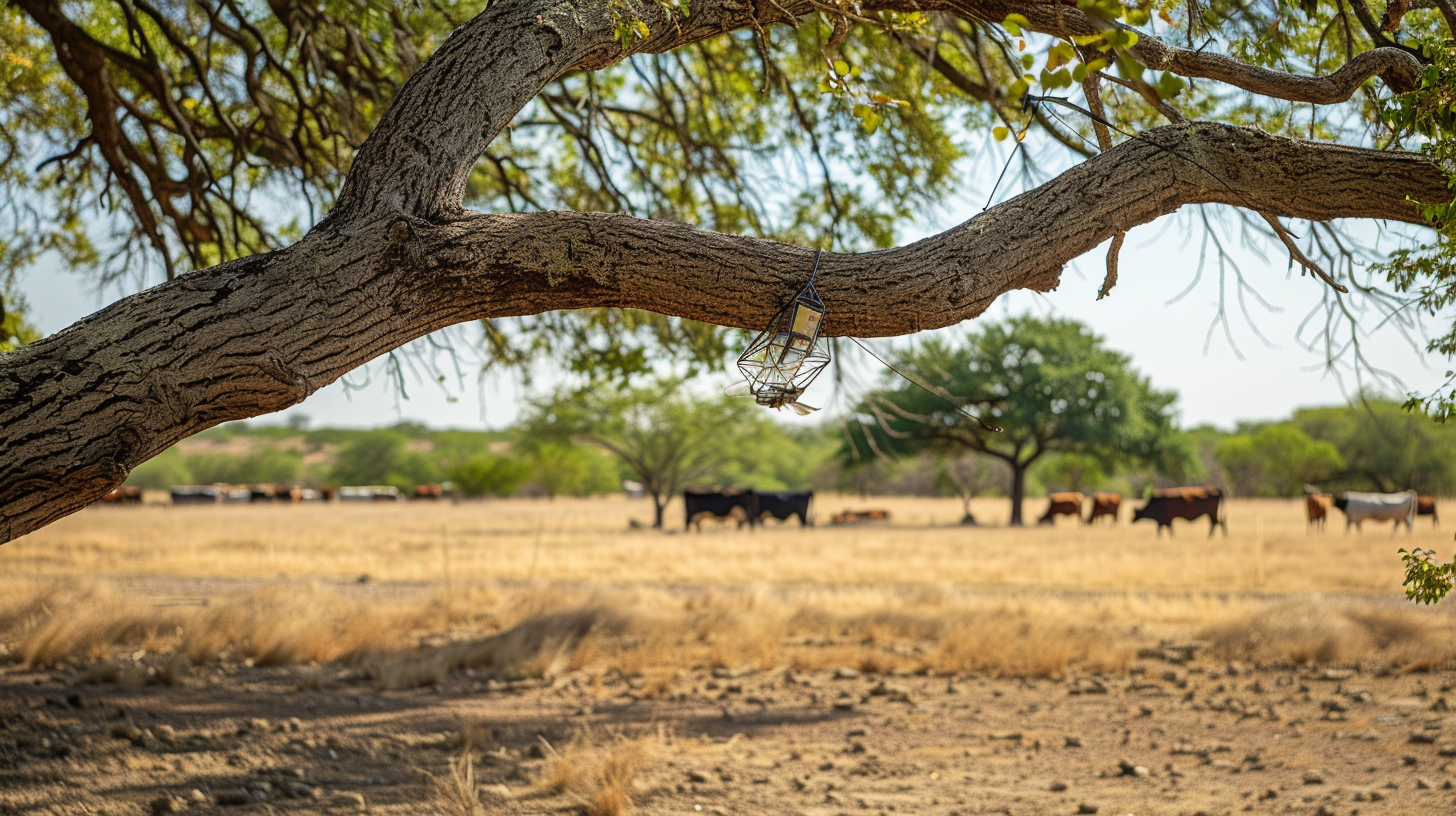
The border crossing that handled roughly 40 percent of all U.S. cattle imports from Mexico reopened Sept. 24, ending an 18-month shutdown that Texas cattle feeders have felt as sharply as anyone, even though the port itself sits in New Mexico.
U.S. Agriculture Secretary Brooke Rollins announced the reopening of the livestock crossing at Santa Teresa, New Mexico, which took in nearly 500,000 head of cattle in 2024 before it closed under the outbreak of New World screwworm — a fly larva that burrows into the wounds of living animals and can kill them if the infestation goes untreated. “All the boxes have been checked,” Rollins said, according to CBS4 El Paso. “We feel really good about all the protocols that are in place.” She added that the country is “not yet at eradication” and that the reopening depends on Mexico continuing to meet the terms of a joint surveillance and treatment plan.
About 400 cattle crossed at Santa Teresa on the first day, USDA Under Secretary Dudley Hoskins said at the port — a small fraction of the roughly half a million head the crossing handles in a normal year, but the first cattle to move through the country’s largest livestock port of entry since the screwworm closures shut it down.
The reopening matters in Texas because of where the cattle end up, not where they cross. Texas feeds more cattle than any other state, and Mexican feeder calves have supplied close to a fifth of the animals placed in Texas, Oklahoma, Arizona and California feedlots in a typical year, according to Texas A&M AgriLife economist David Anderson. When the border closures cut that supply to a trickle â Presidio stayed the only Texas crossing open even during an earlier, partial reopening — calf prices climbed toward records and feedlots across the Panhandle and West Texas competed harder for fewer animals. Bloomberg News, carried by Transport Topics, reported that the shutdown has contributed to the record retail beef prices consumers are now paying, a political liability the Trump administration has pushed USDA to address.
Economists caution the relief will be gradual. Beef processing margins turned positive for the first time since April, according to HedgersEdge data cited in the same Bloomberg report, as slaughterhouses cut runs and more Mexican cattle began moving through the Arizona crossing at Douglas that reopened first. But rebuilding a cattle herd takes years, not months, so retail beef prices are not expected to fall quickly even as the supply of feeder cattle improves.
Santa Teresa is the second port to reopen. The U.S. reopened the smaller Douglas, Arizona, crossing on Aug. 24, and more than 6,000 head have crossed there since, according to USDA. Two New Mexico ports remain closed — Columbus and a handful of smaller crossings the agency has not yet scheduled — and the Animal and Plant Health Inspection Service, the USDA branch that runs the response, has said it will decide on Columbus only after evaluating how the Santa Teresa reopening performs.
Texas has kept its own, separate layer of restrictions running underneath the border closures. The state’s Animal Health Commission has drawn and redrawn quarantine “infested zones” across the Big Bend region as new domestic cases turned up — Presidio and Jeff Davis counties after the outbreak’s first horse case, and a new stretch of Crockett County a day after the state lifted its earliest zones. None of that has closed or reopened because of the Sept. 24 port announcement; it runs on its own timeline, set by where the parasite itself turns up.
That caution about the parasite, not the paperwork, is the reason the reopening is phased rather than complete. The government’s own confirmed-detections dashboard lists 50 total U.S. screwworm cases since the first, on June 3 — 47 already resolved and three still active: two in Texas, in Presidio and Crockett counties, and one in New Mexico’s Grant County, where a horse tested positive Sept. 17, the newest case on the list. Mexico’s own caseload is far larger — Rollins cited nearly 2,000 active infestations there —though none of that changed the decision to reopen Santa Teresa.
What it does not settle is whether Columbus follows, or whether a single new case near the border could just as easily reverse this reopening. The agency has said its own timeline “may be adjusted based on progress, or paused if risk increases in border states” — its own way of saying the fight that shut every southern port at once last year is still not finished, even as the biggest one reopens.