
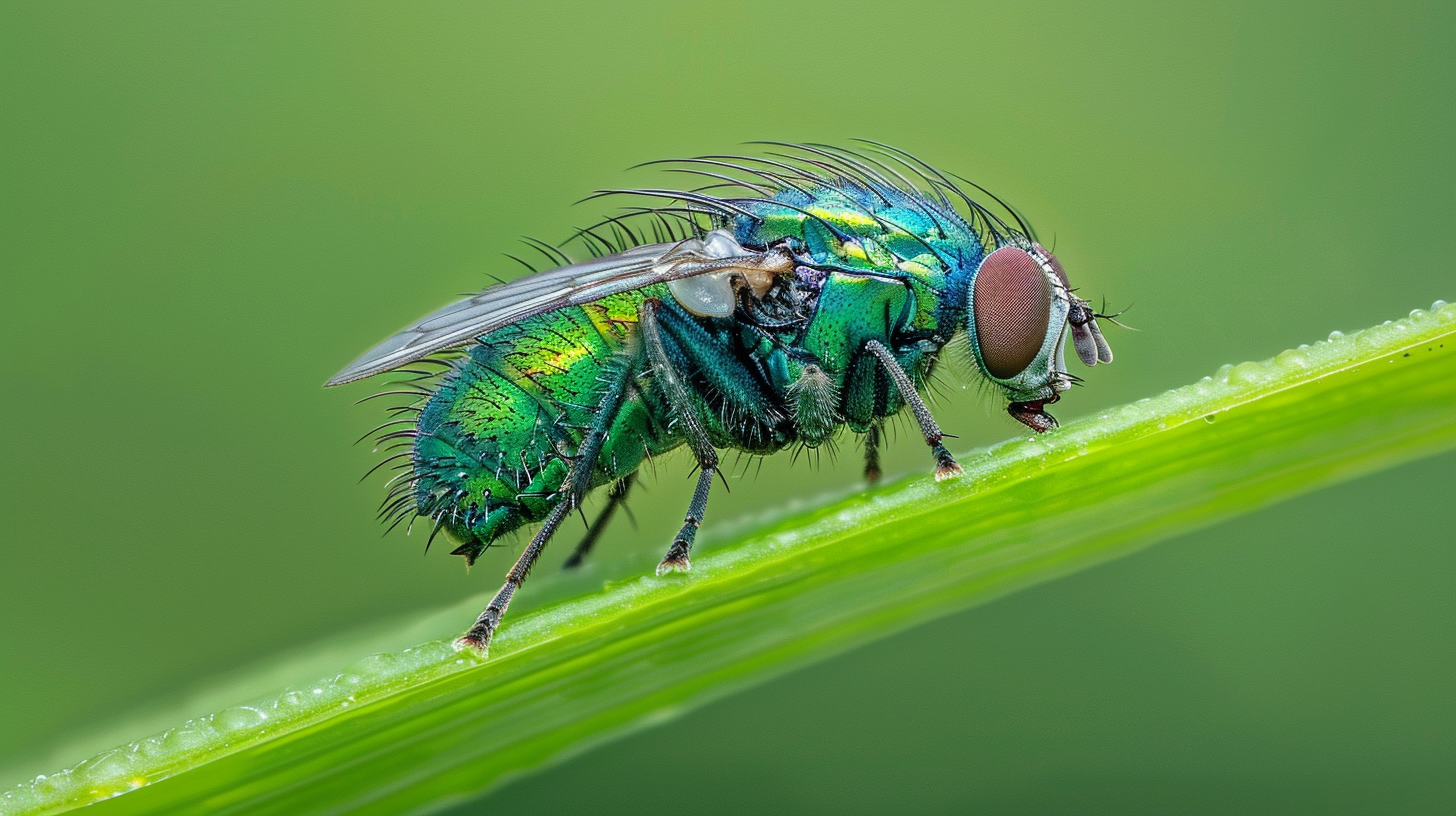
The New World screwworm has now turned up in a wild animal in the United States for the first time. Federal officials confirmed the parasite in an elk that a hunter harvested on a game ranch in Pecos County, extending an outbreak that had so far been recorded in cattle, horses, goats, sheep and dogs, plus one trapped fly.
The U.S. Department of Agriculture’s Animal and Plant Health Inspection Service, known as APHIS, said the elk was reported after the hunter harvested it. The agency called the detection a reminder of the role hunters, landowners and wildlife professionals play in spotting the parasite early. APHIS’s current-status page lists the announcement among its latest news and was last modified Oct. 21.
APHIS noted that hunting seasons are continuing across Texas and other states and encouraged hunters to stay alert for signs of the parasite.
APHIS said two things will follow. The Texas Animal Health Commission, the state agency that regulates livestock disease, will modify a previously established infested zone, meaning an area where animal movement is restricted. And USDA and the Texas Parks and Wildlife Department are conducting additional wildlife surveillance in the area. The release does not say which zone will change, how large the change will be, or how many animals will be sampled. The commission created Infested Zone 22 covering parts of Pecos and Terrell counties after a screwworm case in cattle in Pecos County on Oct. 10. The release does not say whether the elk’s ranch lies inside that zone.
A public tracking dashboard built on USDA case data showed, when read Oct. 22, 60 cases in two states since the first U.S. case on June 3. Of those, 58 were in domestic animals and one was in wildlife. Seven of the domestic cases were listed as active, and the dashboard showed one fly-trap detection. The newest rows were the Pecos County elk and a cattle case in Otero County, New Mexico, both dated Oct. 21, followed by cattle in Jeff Davis County on Oct. 20, a horse in Brewster County on Oct. 18 and the Pecos County cattle case on Oct. 10. The Dispatch previously reported the first wild fly caught in a federal trap in Brewster County.
APHIS asked hunters and others who spend time outdoors near infested areas to watch for visible maggots in wounds or body openings, open or enlarging wounds, foul-smelling injuries, and animals that look weak, lethargic, isolated or in distress. It also listed signs of infestation around an animal’s nose, mouth, ears, eyes and genital areas, and asked people to report suspected cases.
The next step to watch is the commission’s revision of the infested zone, which will show how widely officials now treat the area around the ranch as infested.