
Federal officials confirmed Oct. 28 the first case of New World screwworm in Arizona, a dog in Cochise County, pushing the flesh-eating parasite into a third state. The day before, a dog in El Paso County became the latest Texas case on the federal case list, according to the U.S. Department of Agriculture and a public dashboard that tracks its data.
The pace has picked up. The dashboard listed 71 cases since June 3, with 18 still active. When the Dispatch checked the same dashboard on Oct. 27, it showed 65 cases and 12 active. Five of the six cases added since then are household pets: four dogs and a cat in New Mexico’s Dona Ana and Grant counties, Cochise County, Arizona, and El Paso County. The sixth is cattle in Luna County, New Mexico.
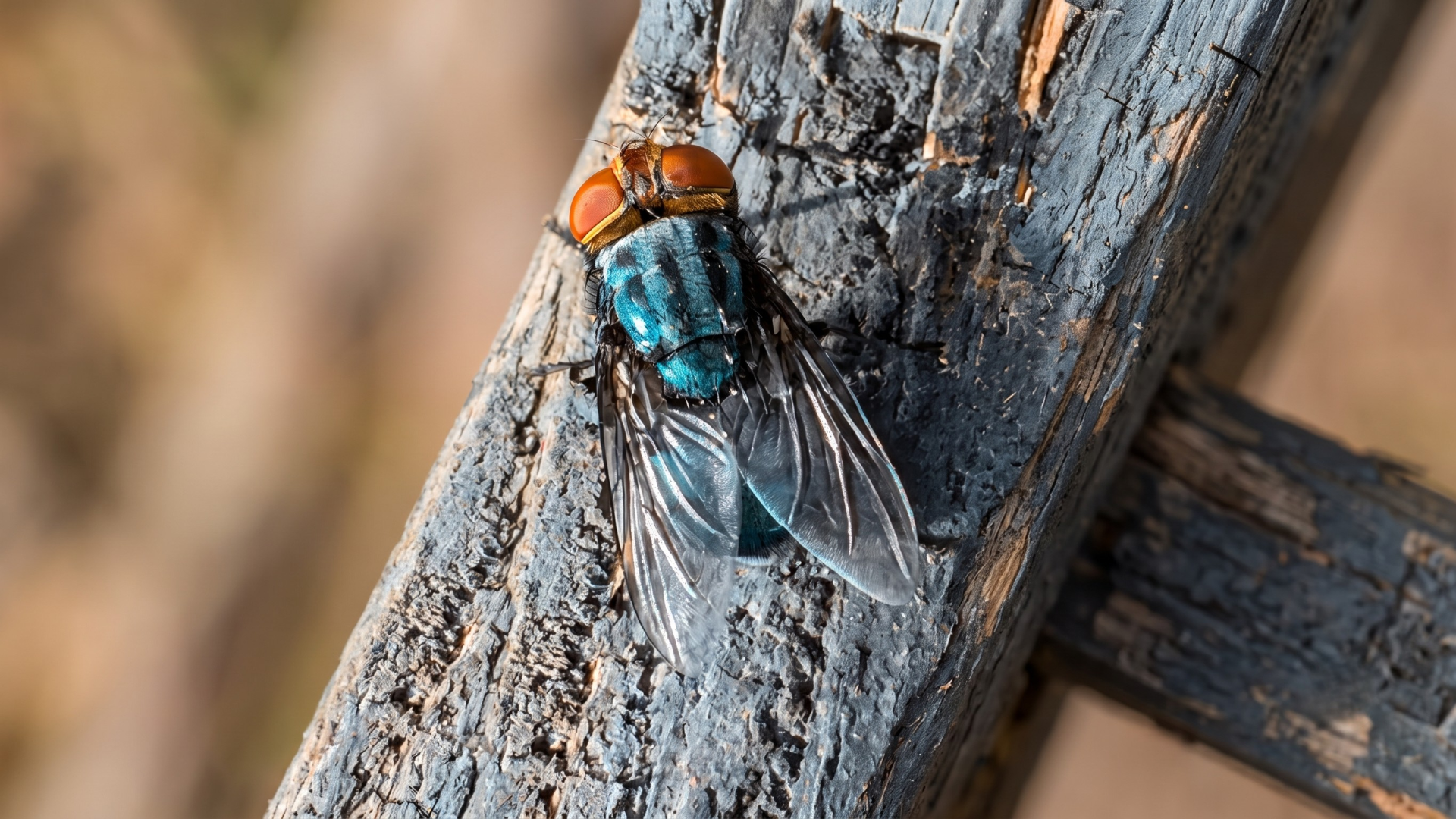
Screwworm is a parasite whose larvae feed on the living tissue of animals, and less often people. USDA says it can cause severe wounds and significant economic harm if not found and treated quickly. Cases have so far been concentrated in livestock, which makes a run of pet cases along the border notable.
The U.S. Department of Agriculture’s Animal and Plant Health Inspection Service said it is working with the Arizona Department of Agriculture on a joint response. According to its Oct. 28 announcement, samples from the dog were confirmed at the agency’s national veterinary laboratory in Ames, Iowa. The response includes a 20-kilometer infested zone around the detection, about 12 miles, with controls on animal movement. It also includes more live-animal surveillance and fly trapping, a release of sterile flies and outreach to local producers and veterinarians. The agency urged owners in the area to inspect animals daily for wounds, maggots or egg masses.
In Texas, the dashboard lists seven active cases, in El Paso, Hudspeth, Jeff Davis, Brewster, Pecos and Val Verde counties. Hudspeth has two, both cattle, confirmed Oct. 23. The El Paso County dog, confirmed Oct. 27, is the first El Paso County entry in the list of cases since June 3. New Mexico has 10 active cases and Arizona has one. Texas accounts for almost all of the 52 inactive cases, which the dashboard shows from earlier outbreaks in the Edwards Plateau and South Texas.
The new Arizona case also bears on cattle trade. USDA’s current-status page lists a phased reopening of southern ports to Mexican cattle: Douglas, Arizona, on Aug. 24; Santa Teresa, New Mexico, on Sept. 24; Columbus, New Mexico, on Oct. 26; and Nogales, Arizona, on Nov. 30. Douglas sits in Cochise County, where the dog was found. The Oct. 28 announcement does not say whether any port schedule will change. The status page says USDA will make further reopening decisions based on animal health risks, operational readiness and how well safeguards are working.
That leaves two questions open: where the Arizona infested zone is drawn and enforced, and whether the Nov. 30 Nogales date holds. The agency has not said how the dog was exposed. The release gives no travel history.
The Texas Animal Health Commission, the state agency that handles livestock disease, has posted no screwworm announcement on its news page since Oct. 9. The Dispatch has previously reported the first confirmed wildlife case, an elk harvested in Pecos County, on Oct. 21.
USDA says the dashboard updates daily at 6 p.m. Eastern, and the next reading will show whether the Arizona detection is isolated or the start of more cases west of the Pecos.