
The number of confirmed New World screwworm cases in the United States rose to 44 over the weekend, according to the U.S. Department of Agriculture’s Animal and Plant Health Inspection Service, which tracks every confirmed detection on a public dashboard updated daily. The newest entry is a domestic sheep in Pecos County confirmed July 31 — and the agency has already listed that case as inactive, meaning the infestation was treated and closed rather than still under active management.
That detail matters more than the headline number. The dashboard shows all 44 cases in domestic animals across two states, with eight listed active and 36 inactive. The active count did not move; the inactive count rose by one. Resolved infestations now outnumber active ones better than four to one, the widest gap since the outbreak began. There are still no confirmed cases in wildlife or feral animals, and no wild screwworm flies have been caught in the trapping network, which the dashboard reports separately at zero.
The Pecos County sheep follows two cattle cases in Brewster County confirmed July 29 and July 30, both still active, which The Texas Dispatch reported as they ended an eight-day stretch with no new detections. Pecos County now carries four entries on the confirmed-detections table: a dog confirmed June 29, two sheep confirmed July 14, and the July 31 sheep. Crockett County remains the largest single cluster of the outbreak.
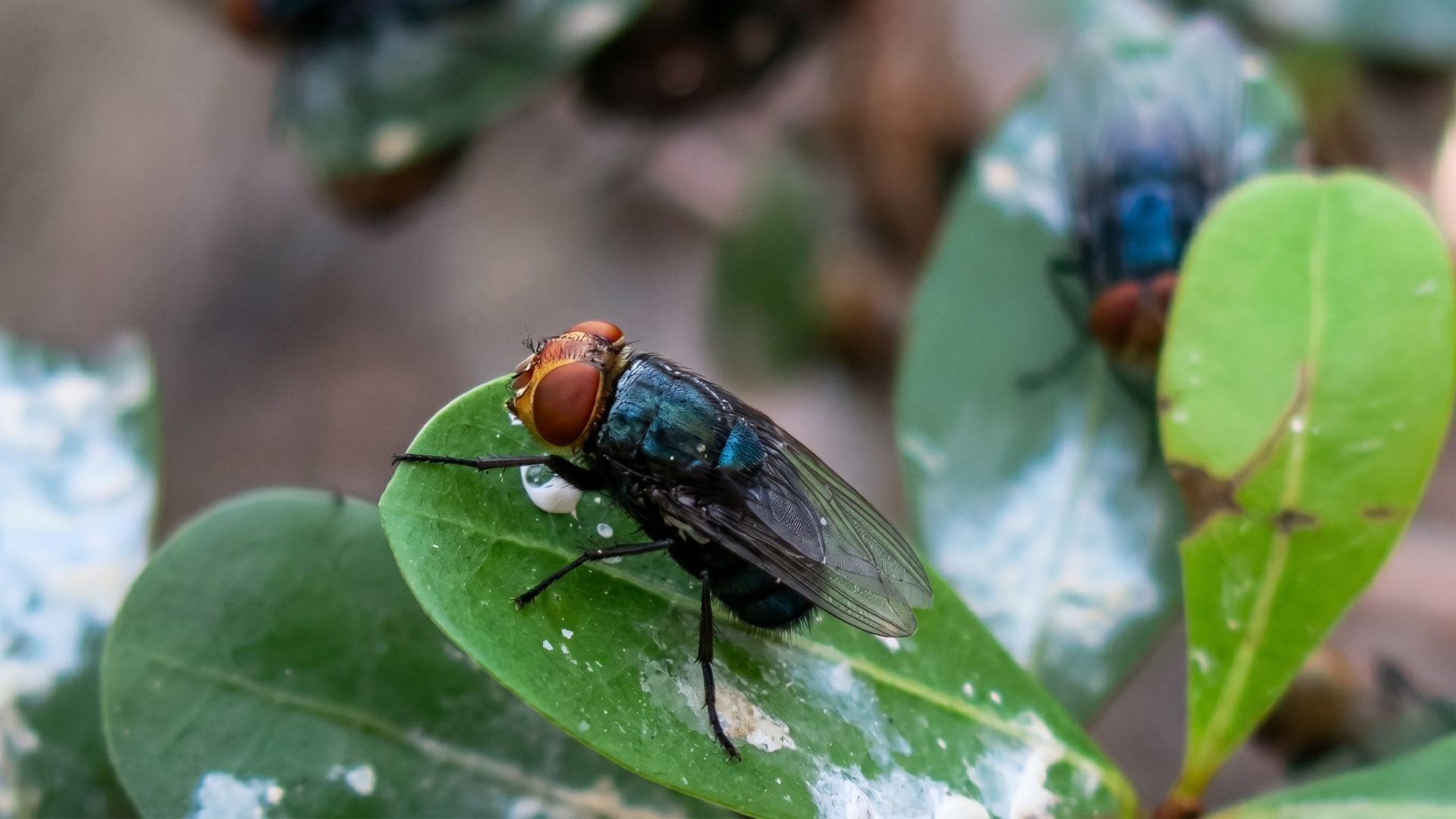
The screwworm is a parasitic fly whose larvae feed on the living tissue of warm-blooded animals. It was declared eradicated from the United States in 1966 and stayed out for nearly six decades. APHIS confirmed the first domestic case on June 3, 2026, in a beef calf in Zavala County, about 50 miles from the Mexican border. Every case since has been in livestock or pets. The Centers for Disease Control and Prevention continues to describe the risk to people in the United States as very low in its situation summary, and the Texas Department of State Health Services has reported no locally acquired human case.
The federal and state response has not changed. U.S. ports remain closed to Mexican cattle, bison and horses, a closure now more than a year old. The Texas Animal Health Commission continues to restrict movement of warm-blooded animals out of designated infested zones without prior authorization. USDA’s sterile-fly production plant at Moore Air Base near Mission, which broke ground April 17 and is designed to release up to 300 million sterile flies a week, is not yet at full production; the technique works by flooding an area with sterilized males so that matings produce no offspring.
Texas A&M AgriLife Extension, which maintains a producer guidance page on the pest, has estimated the potential loss to the Texas cattle industry at roughly $2.1 billion and to wildlife at about $9 billion if the fly becomes established. Extension veterinarians advise ranchers to inspect any open wound, navel or fresh brand, and to report suspected cases to the state commission rather than treating and moving on.
One caution on the arithmetic: APHIS periodically reclassifies entries, so week-to-week changes in the headline total do not always match the number of new rows on the table. The figures reported here are the dashboard’s own totals as displayed August 3.
The next signal to watch is whether the eight active cases begin to close without new ones opening, which would be the first real evidence for lifting a quarantine zone — or whether the Brewster cluster grows as fall livestock working season brings more animals through the chute.