
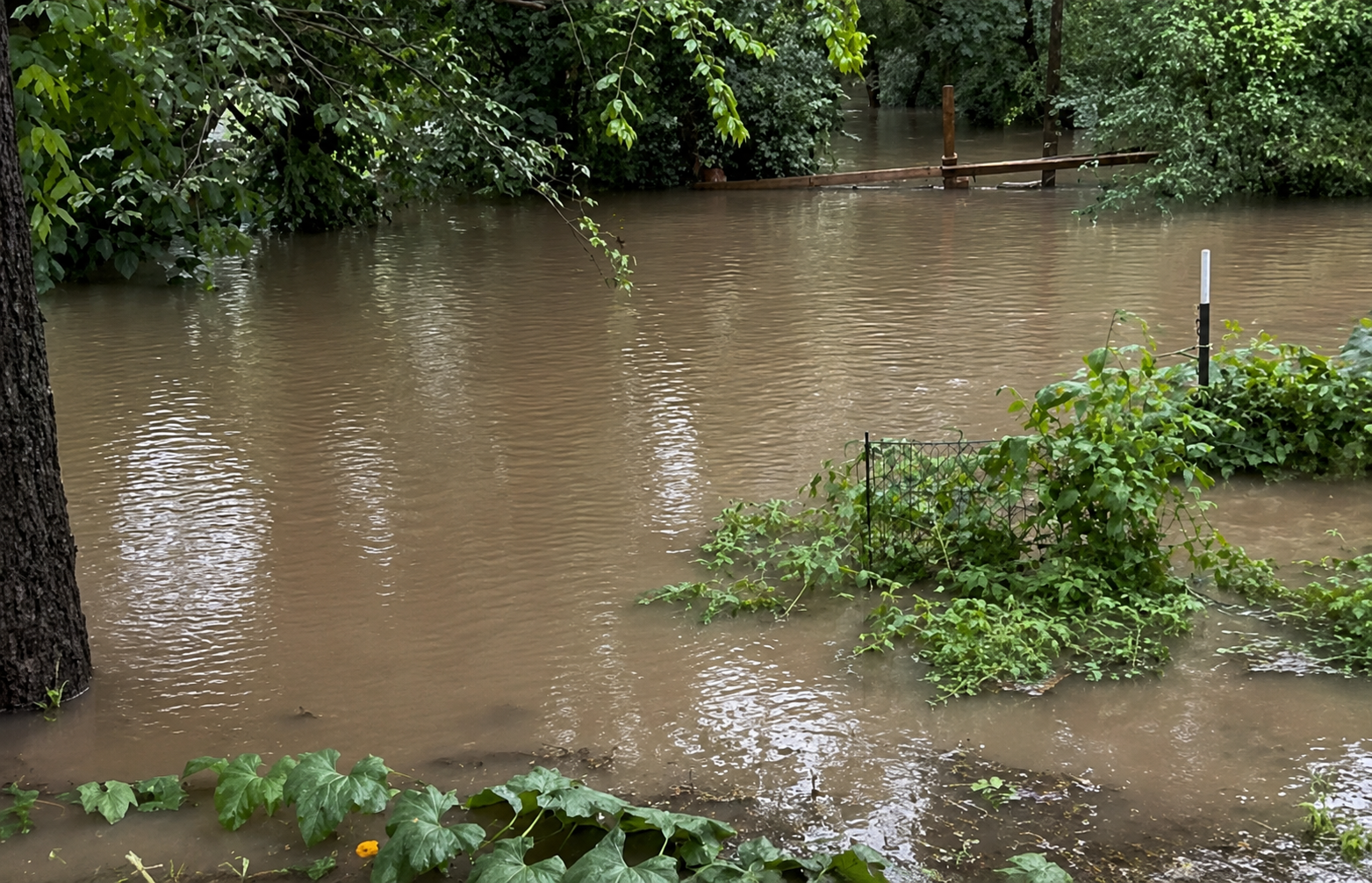
When storms opened over the Texas Hill Country last week — nearly a year to the day after floodwaters killed more than 130 people along the Guadalupe River — camp leaders across the region said they were watching the sky with new tools and a hard-earned sense of urgency. Several said earlier, location-specific flood warnings helped them make fast operational decisions and keep campers, guests and staff safe as heavy rain and flash flooding swept through.
“Our campers, our guests, and our staff were all safe throughout this entire event,” said Tim Huchton, president and CEO of Presbyterian Mo-Ranch Assembly, in a news release. Mo-Ranch is one of 10 Hill Country camps receiving AccuWeather’s SkyGuard Severe Weather Warning service this season through a philanthropic initiative the forecasting company launched after the 2025 disaster.
For Huchton, the value was not just speed but specificity. “As we got the alerts, and we got all the notifications, I had the ability to call someone, and they could walk me through exactly what was going on in our area, and it was site-specific,” he said. He described the daily briefings and direct access to a meteorologist as “phenomenal,” adding that being able to ask questions “helped me understand a lot more about what was going on.”
The storms that tested those systems were severe in their own right. More than two feet of rain fell in some areas over several days, and four-day totals in Uvalde and Sabinal ranked as 1,000-year rainfall events in federal models, Inside Climate News reported. The Guadalupe River rose to about 37 feet at Comfort and the Pedernales to 34 feet at Fredericksburg — among their highest levels on record, according to reporting by the Texas Tribune. At least two people died and roughly 700 homes and businesses were damaged or destroyed, though state and local crews rescued more than 500 people from the water.
AccuWeather said participating camps and other organizations received a Storm Potential Notice forecasting extreme rainfall and flash flooding more than 24 hours before the National Weather Service and other known sources issued a Flood Watch. The company said several of its flash flood and flood emergency warnings were issued earlier than other known sources during the event:
| Location | Warning | AccuWeather | Other Known Sources | Earlier Warning |
|---|---|---|---|---|
| Near Ingram | Flash Flood Warning | 12:17 a.m. CT | 12:54 a.m. CT | 37 minutes |
| Near Hunt | Flash Flood Warning | 2:10 a.m. CT | 2:21 a.m. CT | 11 minutes |
| Near Ingram | Flood Emergency Warning | 2:25 a.m. CT | 3:00 a.m. CT | 35 minutes |
| Near Hunt | Flood Emergency Warning | 2:45 a.m. CT | 3:00 a.m. CT | 15 minutes |
“When severe weather strikes, timing matters,” said AccuWeather Chief Meteorologist Jonathan Porter. “Getting a warning even a few minutes earlier can give families, businesses and emergency managers more time to seek shelter, change plans or initiate emergency procedures before dangerous impacts arrive.”
Camp operators were not the only ones better prepared. In the year since the 2025 flood, the state invested $50 million in warning systems, water monitoring and other disaster infrastructure, and the Texas Legislature imposed stricter safety rules on youth camps and required more warning sirens in flood-prone areas, The New York Times reported.
Residents said the upgrades — and the memory of the previous year — changed how they responded. Margo Denke, a Medina County resident, said stream gauges installed by the U.S. Geological Survey sent automated alerts to her phone as water rose. “I was getting emails whenever the rain amount was over 0.8 inch per hour, so I had several warnings,” she told Inside Climate News. “The USGS precipitation gauges are a very big blessing in a community like ours.”
State Rep. Wes Virdell, who represents part of the Hill Country, told the San Antonio Express-News that preparation made the difference. “We weren’t caught off-guard by something nobody expected,” he said. “Residents were very aware of the possibility of what’s going to happen when that river floods.”
The stakes were painfully clear. The July 2025 floods killed more than 130 people, including 25 campers, two counselors and the executive director of Camp Mystic, an all-girls camp near Hunt, after the Guadalupe rose roughly a foot every five minutes in the pre-dawn hours, according to the National Weather Service. This year, at least one camp in Uvalde evacuated more than 300 campers after floodwaters washed out its main access road, Houston Public Media reported, though many camps faced lesser threats because much of the flooding occurred downstream.
AccuWeather’s SkyGuard program delivers site-specific alerts by text message, automated phone call and other channels, covering hazards from flash flooding and tornadoes to lightning and extreme heat, with around-the-clock access to storm-warning meteorologists. The company said the service is available to camps, emergency responders and other organizations nationwide.
For Hill Country camp leaders like Huchton, the test came fast — and, this time, with more warning. “During this flooding event,” he said, “it was really, really helpful.”