
The New World screwworm outbreak that produced 30 confirmed cases in June has slowed to one so far in August. The U.S. case count stands at 45, according to the dashboard the U.S. Department of Agriculture’s Animal and Plant Health Inspection Service updates daily, and no new case has been confirmed in the seven days since a Terrell County sheep on August 5.
That matters for ranchers across the infested zone of West and South Texas because the monthly trajectory now points in one direction. The dashboard’s case table shows 30 confirmations in June, starting with the outbreak’s first — a three-week-old calf in Zavala County confirmed June 3 — then 14 in July, and one in the first 12 days of August. The current quiet stretch is one day short of the outbreak’s longest: the eight days between a July 21 Sutton County goat and two Brewster County cattle cases confirmed July 29 and 30, a pause the Dispatch reported when it broke.
Of the 45 confirmed cases — 44 in Texas and one in a dog in Lea County, New Mexico — 40 are listed as inactive, meaning the infestation has been successfully treated, and five remain active: the August 5 Terrell County sheep, the two Brewster County cattle cases from late July, the July 21 Sutton County goat and a July 17 cattle case in Starr County on the Rio Grande. Resolved cases outnumber active ones eight to one.
The dashboard still shows zero detections in wildlife and zero wild flies caught in traps since the outbreak began. The wildlife number carries weight because a jump into deer or feral hogs would make the parasite far harder to contain. APHIS, in partnership with the Texas Parks and Wildlife Department, has flown more than 1,000 drone surveillance flights over Texas since June 3, observing more than 20,000 animals, and has reviewed footage from more than 130 trail cameras covering nearly 17,000 more. Since July 2025 the agency has also monitored more than 100 screwworm-specific traps and more than 8,000 general insect traps across Texas, Arizona, New Mexico and California.
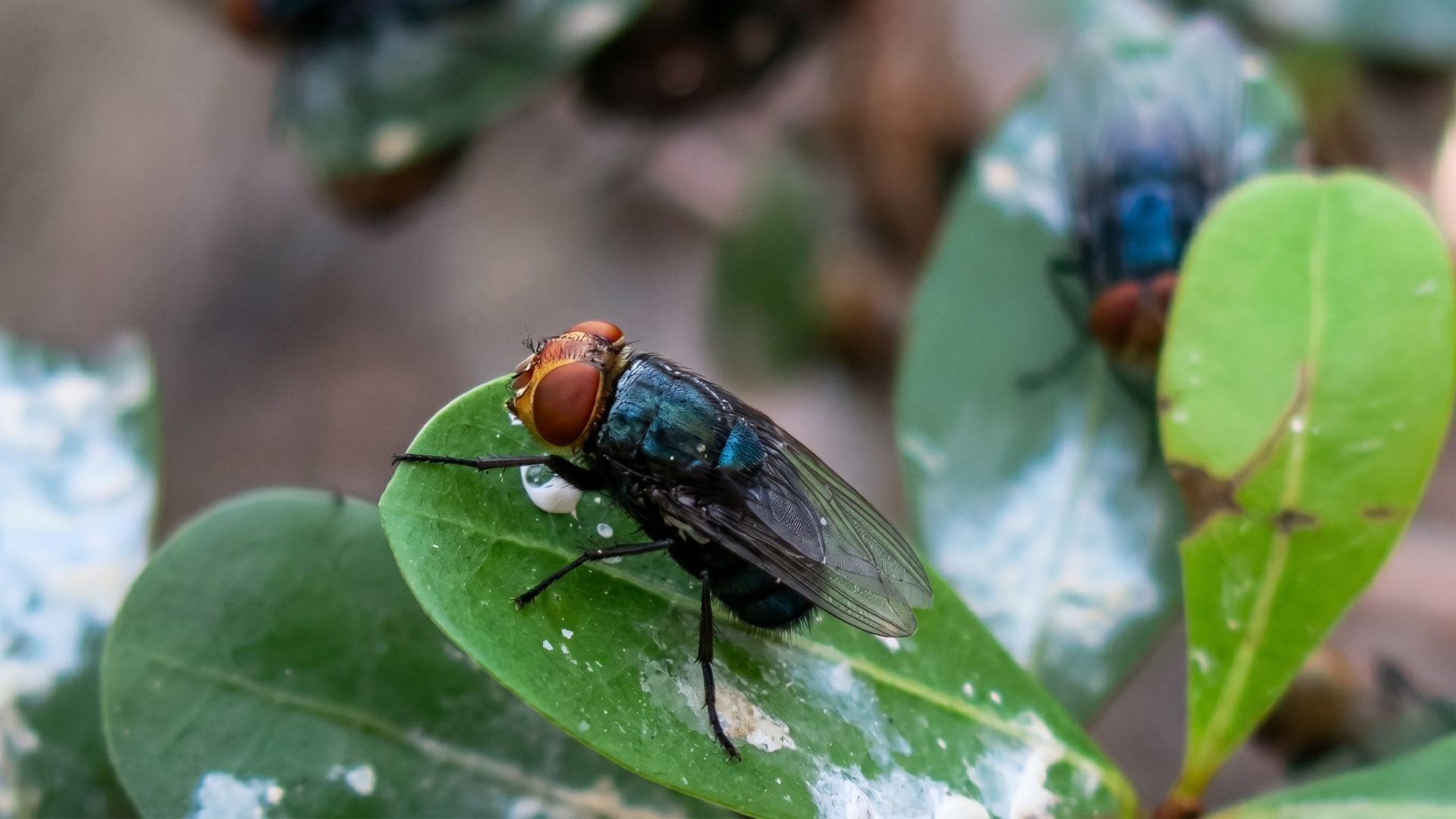
The screwworm is a fly whose larvae feed on the living flesh of warm-blooded animals; an untreated infestation can kill a full-grown cow. The federal and state response to the outbreak leans on a technique that eradicated the pest from the United States once before: flooding the landscape with sterile male flies so wild females, which mate once, produce no offspring.
USDA says it continues to disperse 100 million sterile flies a week over Mexico and Texas from a production facility in Panama, and a dispersal facility at Moore Air Force Base in Edinburg — an $8.5 million project completed in February — now deploys more than 80 million of those flies a week over Texas and Mexico.
A domestic production plant under construction in South Texas with the Army Corps of Engineers is designed to produce up to 100 million flies a week at opening, expanding to 300 million by late 2028. The agency also says a new lab-developed strain called NovoFly, which yields only the male flies the technique requires, will double the operational supply once deployed.
Treatment options have widened too. The Food and Drug Administration has issued 11 emergency use authorizations — expedited permissions to use existing animal drugs against screwworm — plus three conditional approvals since August 2025, according to the APHIS response page. Before those actions, no U.S.-approved treatment for screwworm infestation existed. In Texas, the Texas Animal Health Commission and Texas A&M AgriLife have built a certified-inspector program so trained private inspectors can examine animals and issue the treatment and movement certificates required to move livestock out of the infested zone.
The outbreak has paused before — for a week in mid-July after a Pecos County sheep case, and for eight days in late July — and both times a new confirmation ended the quiet. Whether this pause holds is the number to watch: APHIS updates the dashboard daily.