
For nearly 21 years, a Texan who registered to speak at a Railroad Commission open meeting was guaranteed a turn at the microphone. That ended Aug. 18, when the three-member commission voted 2-1 to strike the standing public comment item from its future agendas.
The chairman of the House committee that oversees the agency now wants the commissioner who proposed the change to answer for it in person.
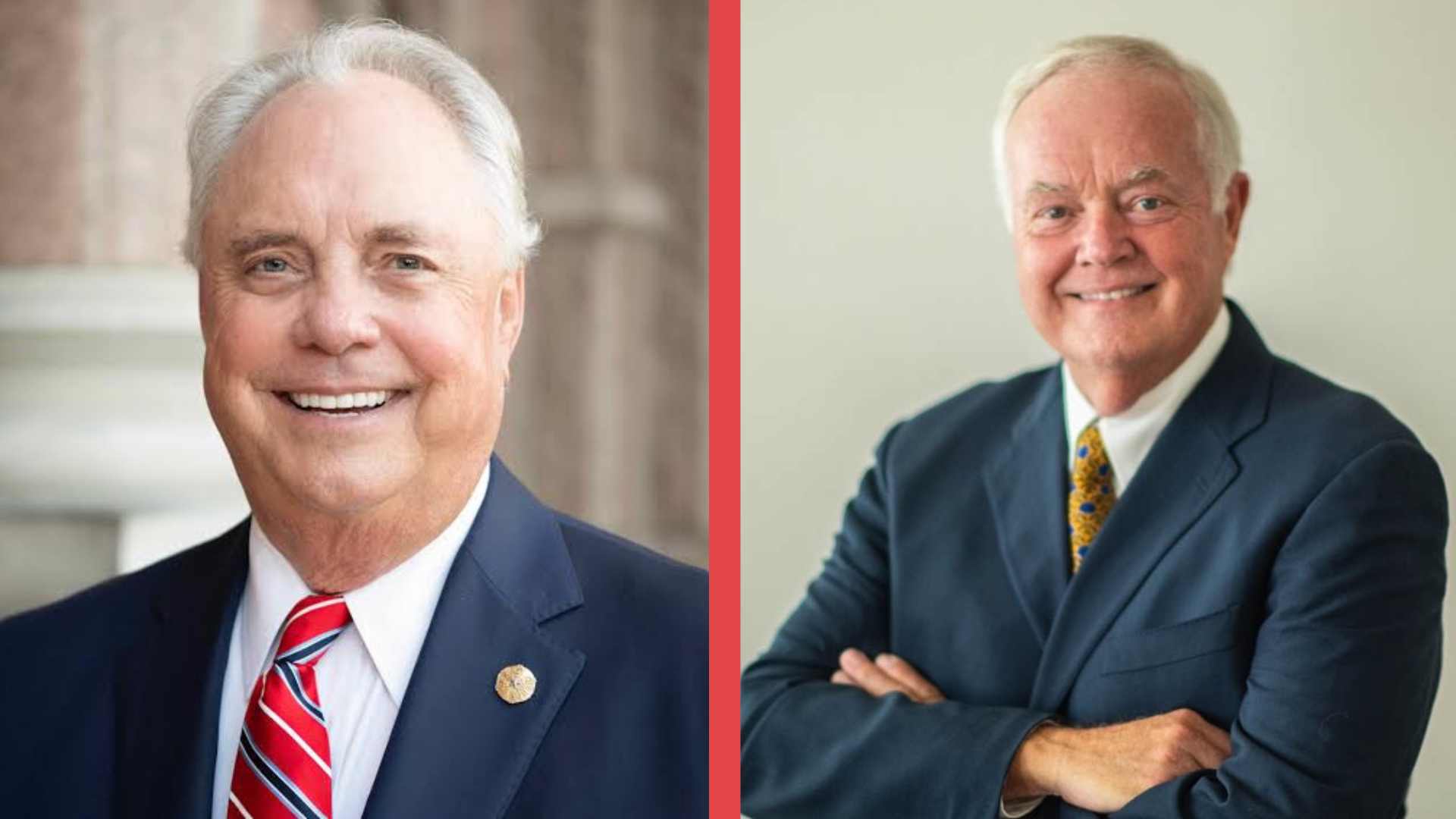
Rep. Drew Darby of San Angelo, who chairs the House Committee on Energy Resources, wrote to Commissioner Wayne Christian on Aug. 25 that he was adding the matter to the committee’s previously scheduled oversight hearing and “expect you to be prepared to address it on the record at that time.” Christian answered the next day, and the exchange is narrower and sharper than a fight over whether the public gets to talk.
Under the policy adopted as Agenda Item #884, a registered speaker “may speak on that item only if specifically requested to do so when that item is pending before the Commissioners,” and “a person may not make a verbal request to comment or provide information at or during the open meeting.” Commissioner Christi Craddick, the commission’s chairman, cast the dissenting vote, saying she believed Texans should have the opportunity to speak.
Darby was explicit that he does not object to discretion as such. Legislative committees and other agencies routinely limit testimony to invited witnesses, he wrote. His objection was to the swap. “This Commission is revoking a standing commitment it has maintained for decades, without replacing it with any comparable guarantee,” he wrote. “Discretion built into a body’s original design is different from an established right a sitting majority chooses to take away” — particularly at an agency that issues permits and can levy financial penalties.
His second argument was about successors. “Intent does not bind whoever sits on this Commission next year, or the year after,” Darby wrote. A future commission could simply decline to invite comment, leaving people who registered and may have driven hundreds of miles with no chance to address their elected officials.
Christian’s reply opened by noting that after nearly two decades of knowing each other and serving together in the Legislature, he would have preferred “a simple phone call.” Then he took the argument apart. Public comment “has not been canceled, banned, restricted or censored,” he wrote. The requirement Darby is defending was created by commission policy in 2005 and was never required by state law. Texans may still register to speak on specific rules and permits, any commissioner may put a general comment item on any agenda, and the new policy requires at least 12 listening sessions a year that Texans can join in person, by phone or online.
He also argued the old system served people badly, sending a landowner in Midland or an operator in the Panhandle hundreds of miles “for three minutes at a microphone during an open meeting where Commissioners may be legally limited in their ability to respond.”
And he offered numbers. Since 2022, Christian wrote, commission records show 102 registrations for general public comment across 37 open meetings, from roughly 20 individuals. Nearly 65 percent came from two people, he wrote, 38 percent from “paid operatives affiliated with Commission Shift,” an advocacy group that monitors the agency, and three commission candidates used the process to promote their campaigns.
Christian’s sharpest point turned Darby’s own hearing back on him, and it holds up. The Texas Dispatch read the committee’s Sept. 15 notice, which matches his characterization word for word. The committee will “hear invited testimony only” on its agency oversight charge — the item covering the Railroad Commission — and the notice states that “public testimony may be limited at the discretion of the chair.” Three other charges that day, on severed wells, orphaned wells and P-13 water wells, are open to public testimony.
“I believe that discretion is reasonable when exercised by a legislative chairman, and I believe it is equally reasonable when exercised by a statewide elected Railroad Commissioner,” Christian wrote.
Darby issued a public statement the same day. Listening sessions are “a good thing,” he said, “but they are not a substitute for a guaranteed chance to be heard directly by the commissioners who actually cast the votes. Staff can listen. Only the commissioners can vote.” He added that a policy billed as expanding engagement “was itself adopted without any advance public input.”
“Commissions change,” Darby said. “Guarantees should not disappear with them.”
The committee meets at 8:30 a.m. Sept. 15 in room E2.026.