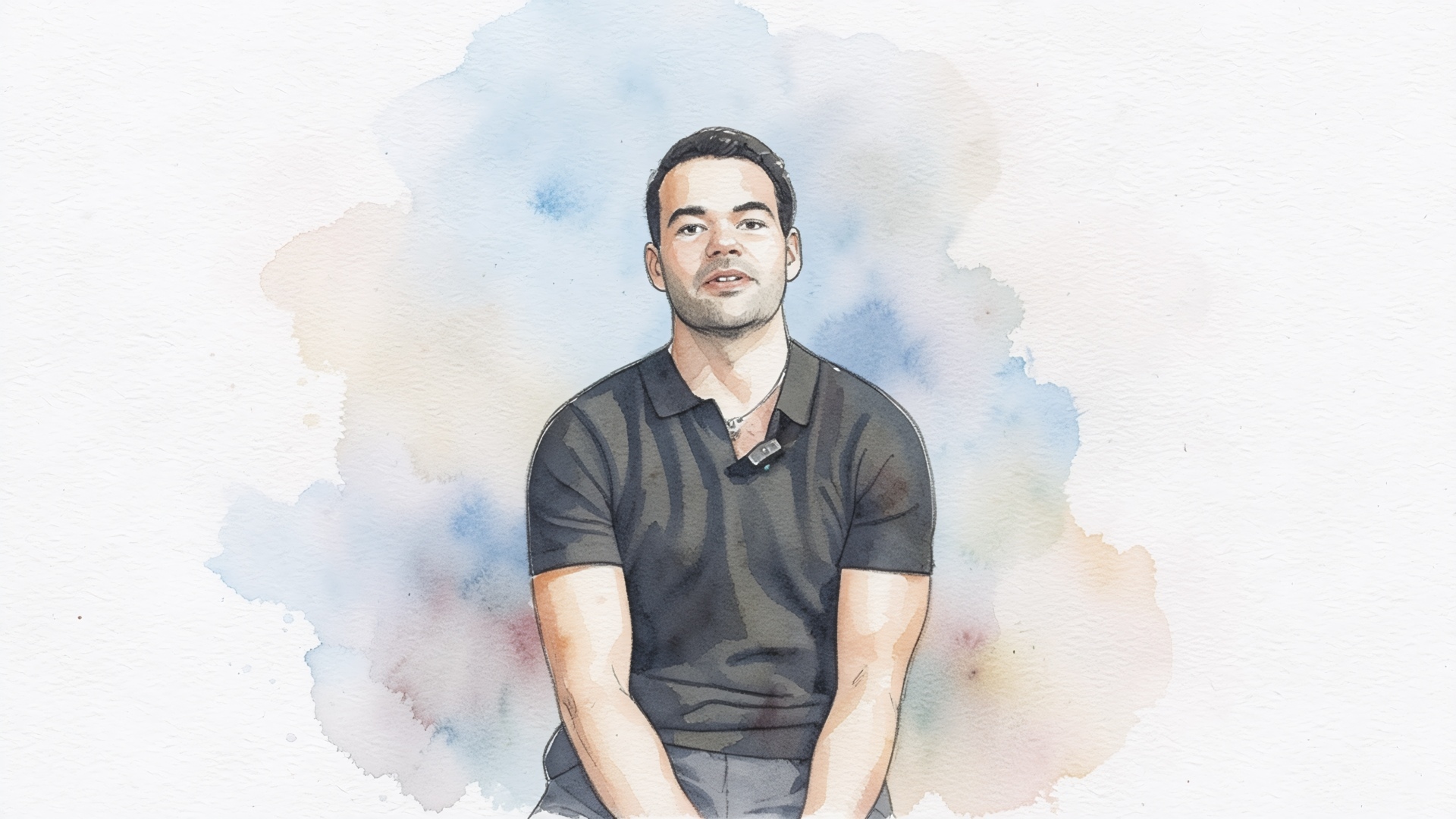
Jack Collier Wants Texas to Regulate His Own Industry
Most entrepreneurs come to the Legislature asking for fewer rules.

Most entrepreneurs come to the Legislature asking for fewer rules.
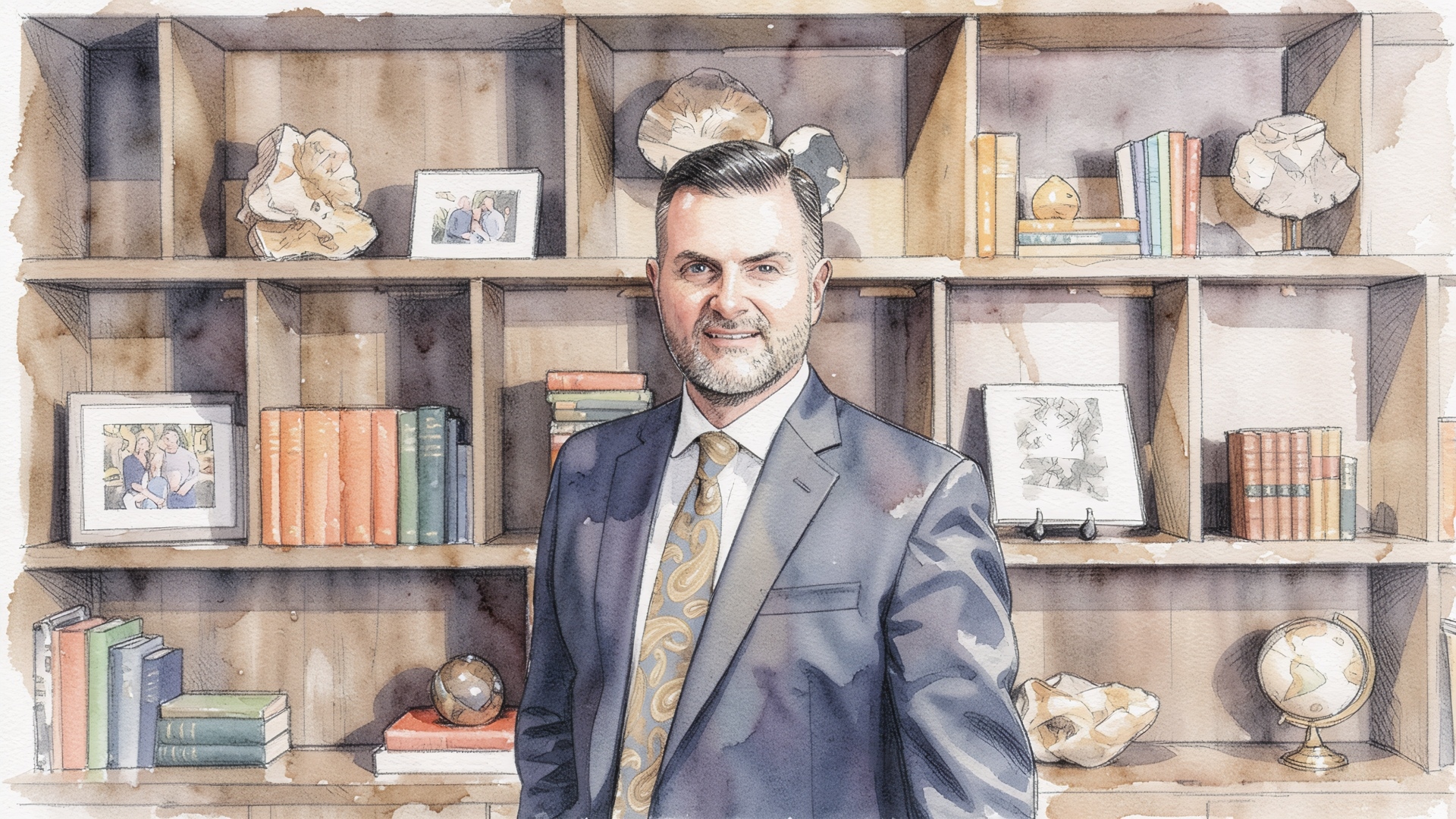
Brandon Creighton spent two decades in the Texas Legislature writing the rules for higher education.
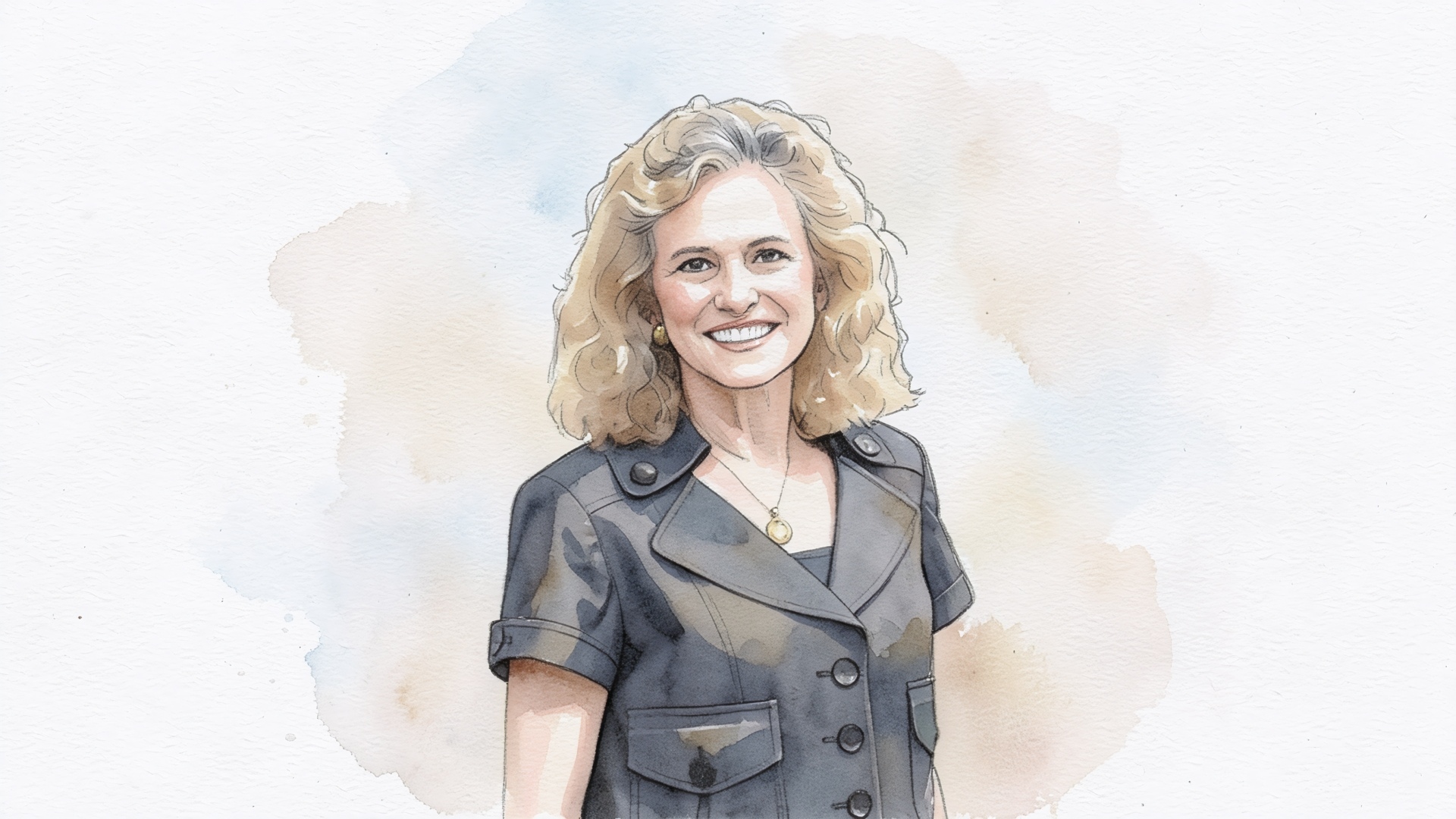
When Texas overhauled how it funds community colleges in 2023, the state made a bet: pay for results — credentials earned, students transferred, workforce needs met — instead of enrollment.
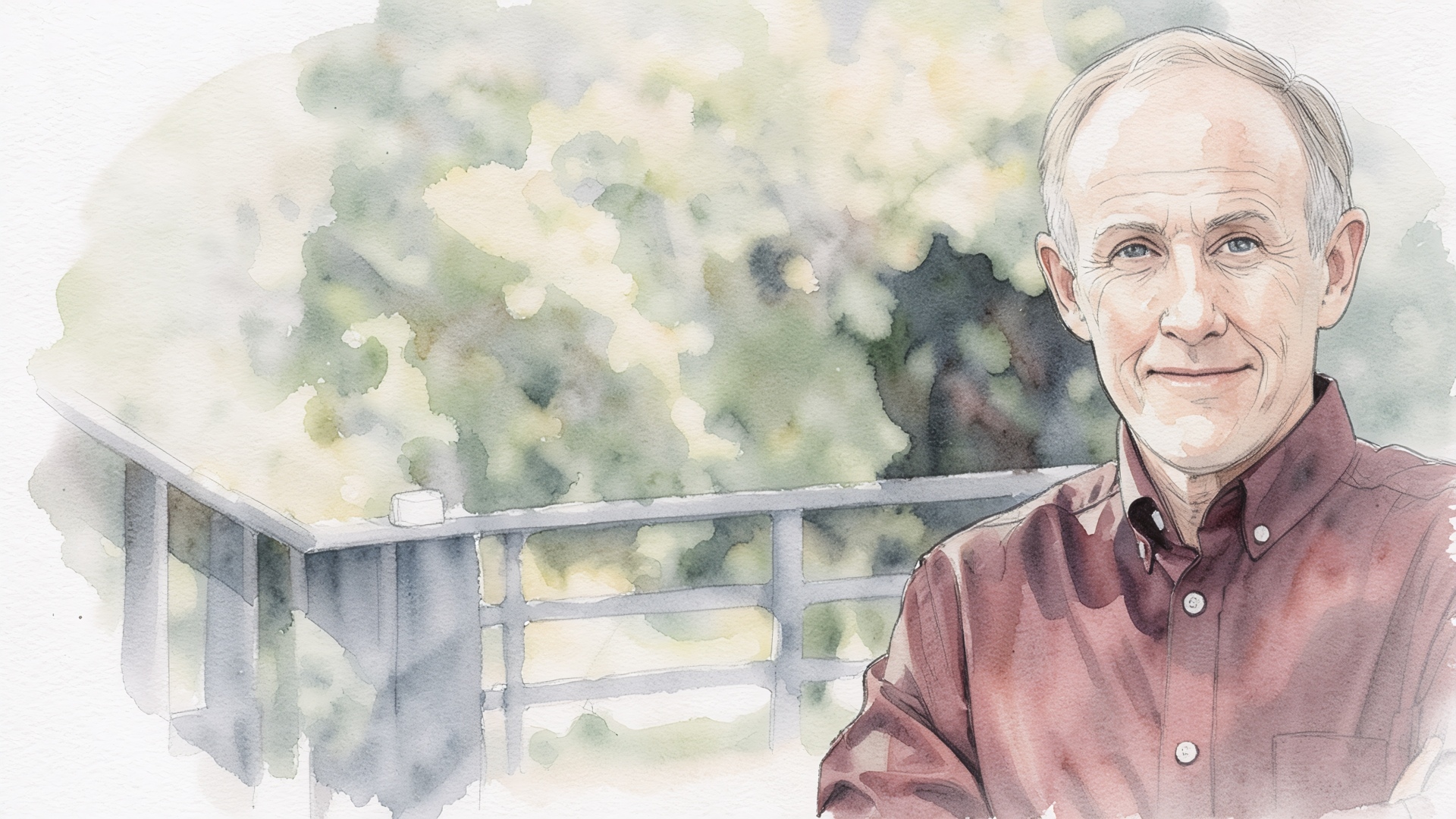
Texas built its growth story on a simple promise: a family could move here and afford a home.

In January 2005, Kristen Doyle was a 32-year-old utility lawyer at the top of her game.
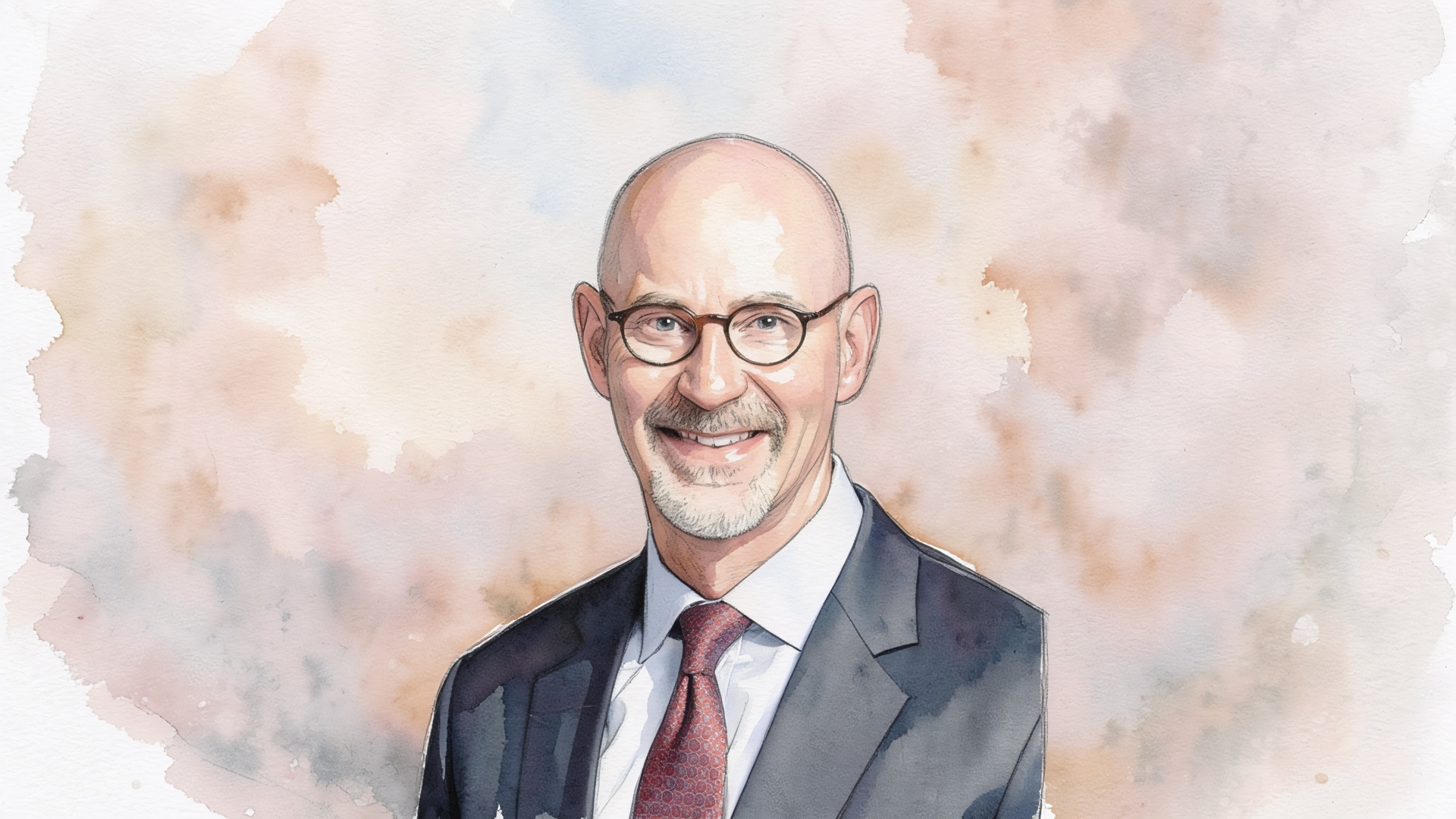
The numbers sound almost implausible: more than 400 gigawatts of prospective new electricity users are asking to connect to the Texas grid — roughly four times the state's all-time current demand — and the vast majority are data centers.
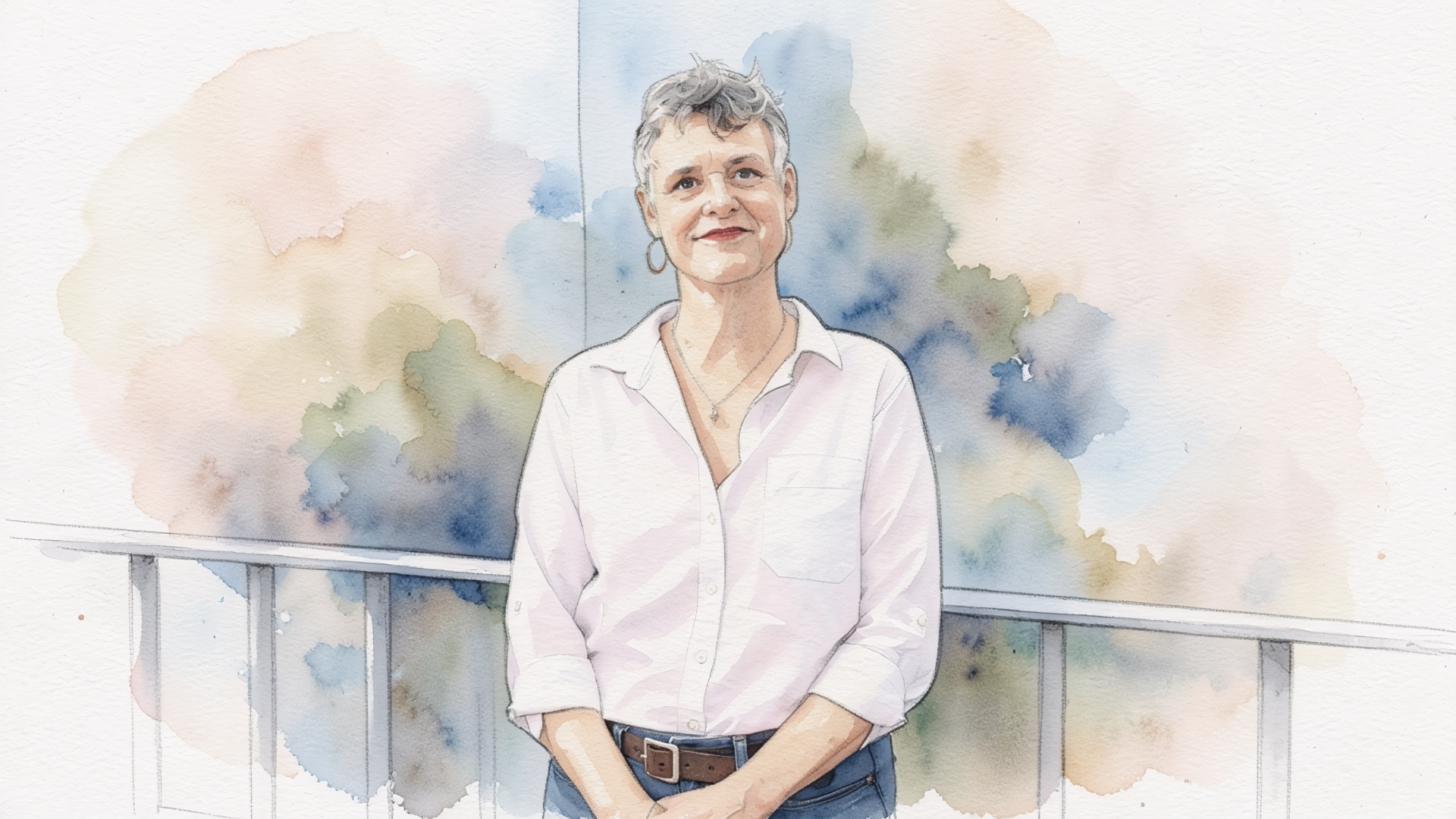
Texas is learning to adjust quickly to rapid population growth and increasingly frequent extreme weather.
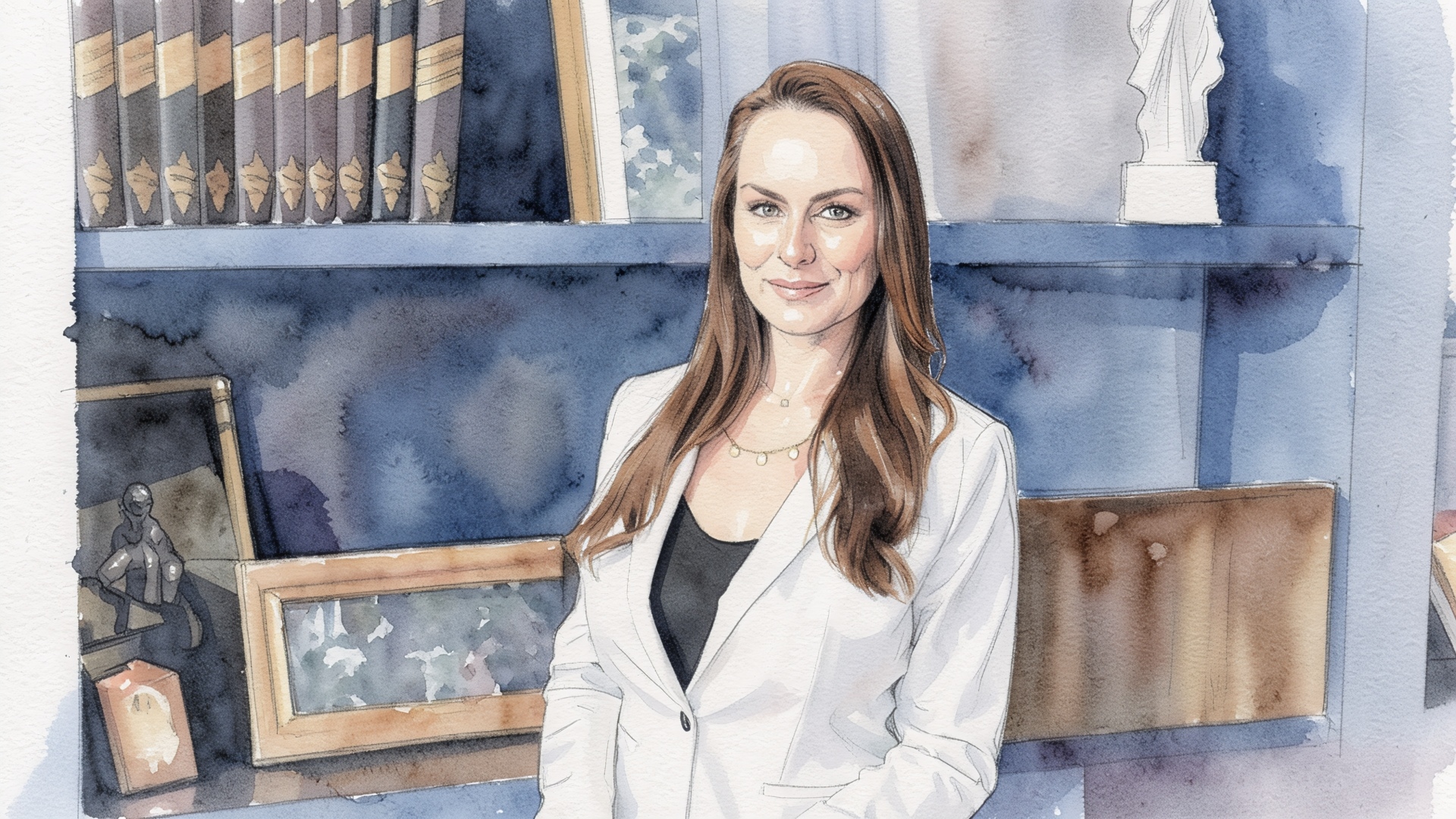
Building a successful business sometimes begins with solving other people's problems. That was the experience of Katherine McLane, CEO and founder of the Mach 1 Group.

Government regulations rarely disappear once they're created, even as industries, technology and the public demands change.

State and federal officials are working to stop the spread of the New World screwworm while veterinarians are monitoring animals for signs of infestation, treating sick animals, and helping contain further outbreaks.