
Texas has developed a distinct approach to franchising, where local operators shape national brands to fit regional tastes. A form of independence has helped define the state’s business culture and the success of companies within it.
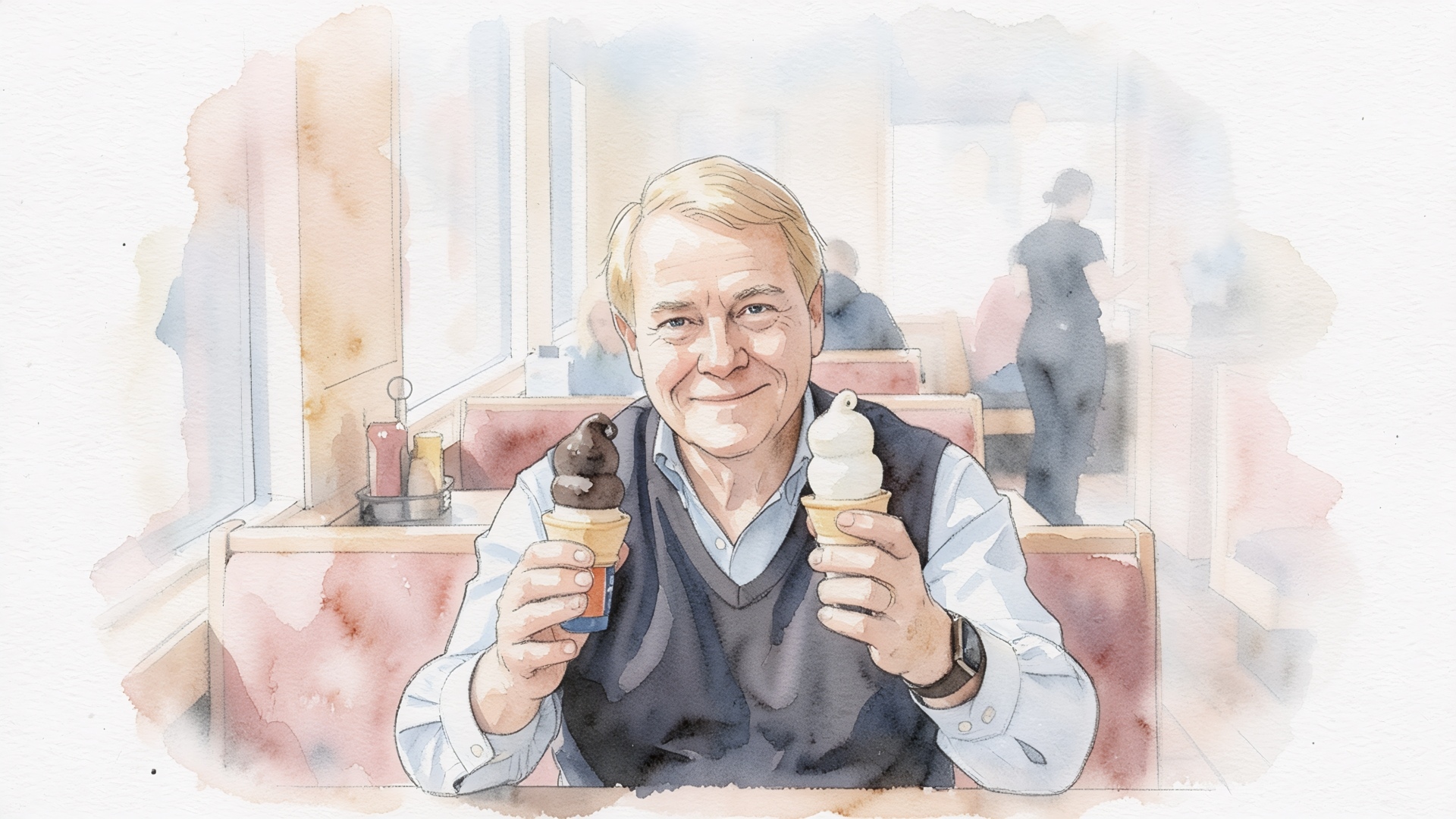
Robert Mayfield, a longtime Dairy Queen franchisee, says that culture and local control are key to what makes Texas Dairy Queen different.
Mayfield’s family entered the Dairy Queen business in 1949, when Robert’s father opened a store in Cleburne. Robert began working in the business at age 11 and later attended the University of Texas for undergraduate and law school. He practiced law in Texas before returning to the family business, taking over operations in Austin in the late 1970s. Today, he operates more than a dozen locations and has built a multi-generational enterprise he hopes to pass on to his children.
Mayfield said his parents left ranching behind to enter the franchise. “They made more money … in nine months than they did cattle raising,” Mayfield says. Their early success set the foundation for expansion, though Mayfield says growth required adapting beyond his father’s approach. “My dad was not very good with multiple stores, and I had to develop the ability to have several different stores… and a good, loyal team.”
Team culture is central to his philosophy. “If you’re going to be successful, you need to build a team–you can’t do it all yourself,” he says. “They need to feel that you care about them.” He describes a workplace culture where employees are trained to greet customers consistently and treated with flexibility when issues arise. “If somebody gets sick… that’s what we do. We’re really good to our people that way,” he says.
Mayfield calls Austin’s paid sick leave ordinance “ridiculous” and argues such decisions should be handled privately. “It should be something that’s negotiated between people,” he says. He adds that business owners must stay engaged politically. “Politics is part of your cost of doing business… you’ve got to pay attention to that or it’s going to hurt you.”
His mindset extends to broader civic participation. “If you’re going to be a member of a self-governing republic, then you need to participate,” he says, emphasizing that disengagement leads to loss of influence. “If you don’t do anything… you’re a subject.”
Texas Dairy Queen operators have historically maintained this independent approach. Mayfield says that franchisees in the state banded together to create their own menu offerings when national leadership failed to support them. “That’s why we have hunger busters… steak fingers… tacos,” he says. “Just a Texas thing.” Those decisions helped define the brand locally and differentiate it from stores in other states.
The business has faced challenges, including periods when the brand struggled in Texas. Mayfield recalls converting one location into a separate concept to stay afloat. “It was pretty rough at first… it looked like the Dairy Queen in Texas may not survive,” he says. “So we turned our highest volume store into just a simple burger place… and the sales went right up.” That location, Wally’s Burger Express, remains in operation today.
Despite growth, Mayfield still sees the operation as a small business. “Even though I have 14 stores, I’m a small business,” he says. He believes hands-on leadership and visibility matter. “I love to go in the stores and see everybody… I like to talk to the customers,” he says.
He also points to philanthropy as part of the company’s identity, particularly its support for children’s hospitals. “We raised $150,000 last year,” he says, noting that employees take pride in contributing to causes beyond profit. “They like to know that it’s not just for business, that it stands for something.”
For aspiring entrepreneurs, he says, “The first thing you ought to do is ask yourself… what do I want to do with my life.” He stresses that leadership is often overlooked. “If you can’t tell other people what to do and get them to do it in a nice way, then you’re not going to be a success.”