
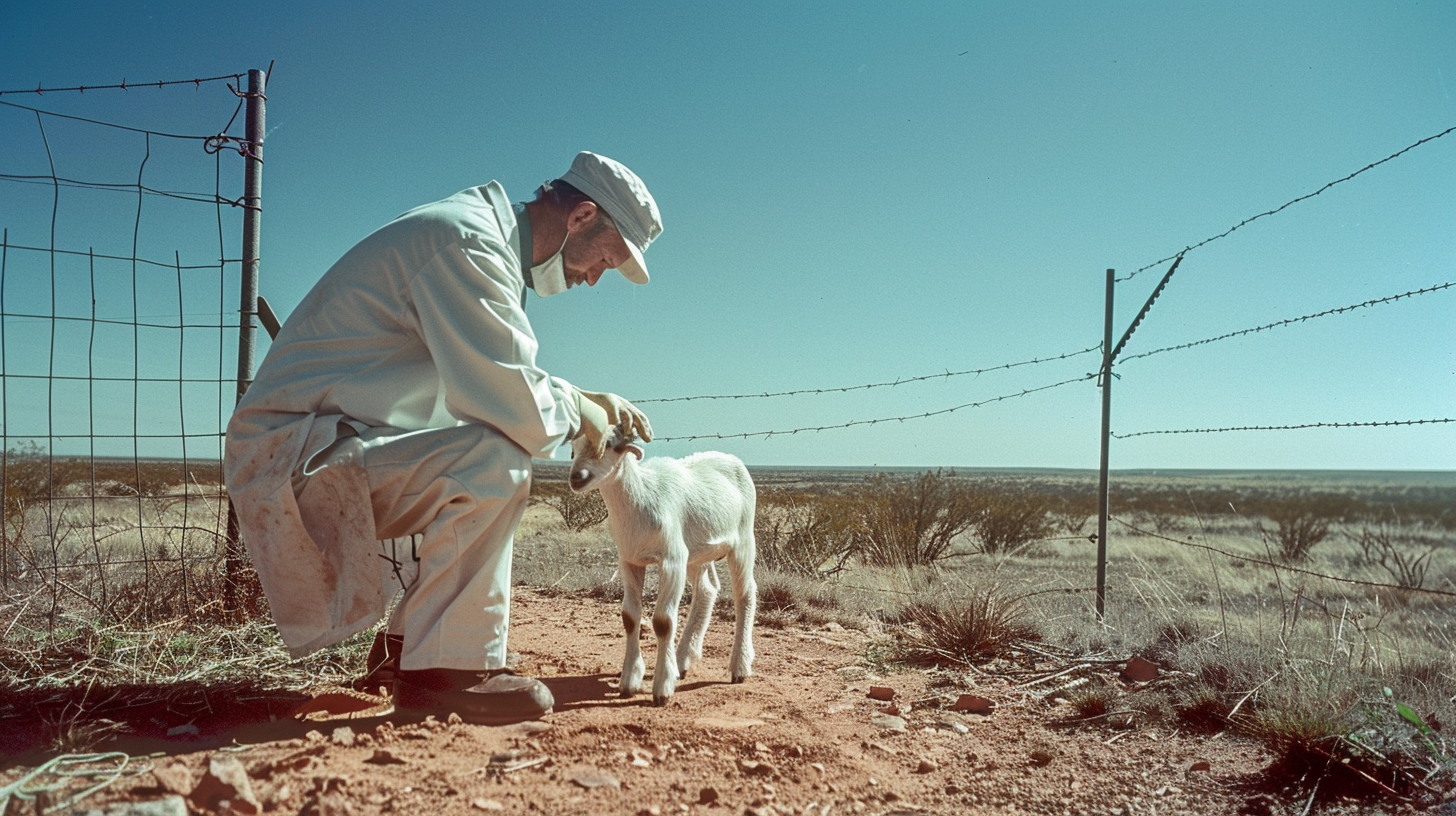
The number of confirmed New World screwworm infestations in the United States has climbed to 35, with 34 in Texas and one in New Mexico, according to the U.S. Department of Agriculture’s confirmed-detections dashboard. The most recent infestation was confirmed in a goat in Crockett County, the West Texas county that now leads the state in confirmed cases.
The count marks a modest increase from the totals reported in early July and extends a cluster that has concentrated in South and West Texas since the parasite was first detected in the United States this year. USDA APHIS confirmed the first domestic case on June 3, a roughly three-week-old calf in Zavala County with larvae in its umbilical area, as reported by CNN. Crockett County, north of the Del Rio border region, has since recorded infestations across cattle, sheep and now goats, according to San Angelo LIVE!.
New World screwworm is the larval stage of the fly Cochliomyia hominivorax, whose maggots feed on the living tissue of warm-blooded animals and can be fatal to untreated livestock, per the Texas Animal Health Commission. All confirmed U.S. cases to date have involved domestic animals; there have been no confirmed local human infestations, and the USDA says the pest is not a food-safety threat because screwworm feeds on open wounds rather than meat intended for consumers.
The Texas Animal Health Commission has imposed animal-movement restrictions across parts of more than 20 Texas counties and, together with the USDA, has expanded surveillance and trapping.
Federal and Mexican officials continue to build out the sterile-insect program that eradicated screwworm from the United States decades ago. USDA Secretary Brooke Rollins joined Mexican officials in late June to open a sterile-fly production facility in Metapa, in Chiapas, Mexico, which the USDA says will add tens of millions of sterile flies per week as it ramps toward full capacity of roughly 60 million to 100 million flies weekly, according to reporting by The Texas Tribune and Texas Public Radio.
The Tribune reported the government was producing about 100 million sterile flies per week from an existing plant in Panama, and that experts estimate roughly 500 million per week may be needed to push the pest back. In April, the USDA and the U.S. Army Corps of Engineers broke ground on a domestic production facility at Moore Air Base near Edinburg, expected to come online in late 2027.
The sterile technique works because female screwworm flies typically mate once; breeding with released sterile males yields no offspring, gradually collapsing the wild population. The parasite remains established in parts of Central and South America, which is why the southern U.S. ports of entry for livestock have stayed closed since Rollins ordered them shut on July 9, 2025.
The Texas Dispatch has tracked the outbreak since the first detections this spring, reporting earlier case-count milestones and the standing-up of formal quarantine zones. State and federal officials say the next confirmations, and the first verified weekly output from the Metapa plant, will indicate whether the Texas footprint is stabilizing or continuing to spread. The USDA updates its confirmed-detections dashboard as new cases are verified.