
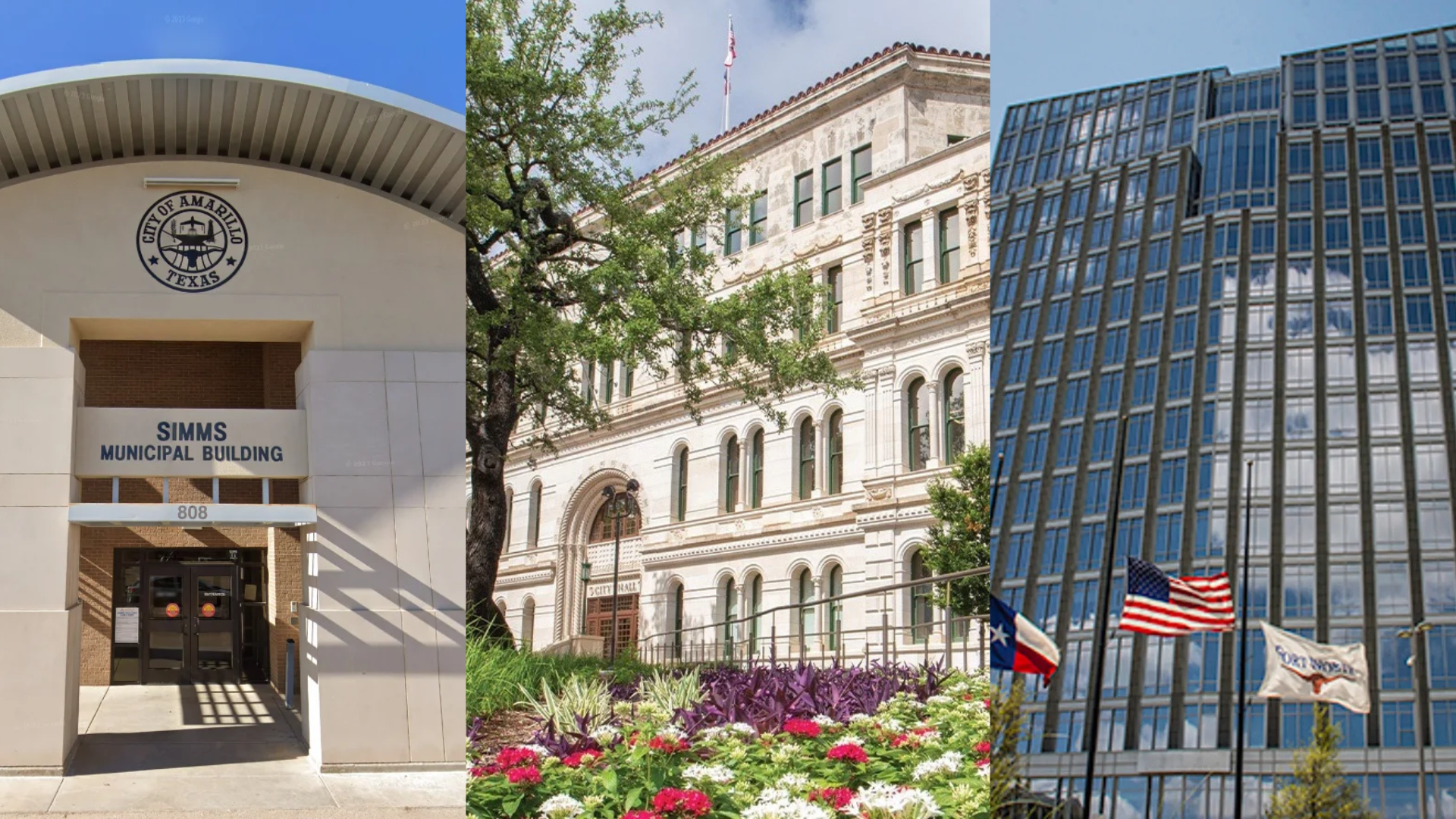
Three of Texas’ largest cities raised their property tax rates in the past two weeks, and the homeowners living in them will see different tax bill changes—$18 a year on a $200,000 home in Amarillo, $35 increase on the average San Antonio home, and Fort Worth’s mayor says most of her city’s homeowners may still see a lower bill.
Amarillo’s City Council adopted its 2026-27 budget and a tax rate of 43.07 cents per $100 of property value on Sept. 29, voting 4-1 on each item, according to the city’s announcement and ABC 7 Amarillo. The rate is made up of 32.412 cents for operations and 10.658 cents to repay debt. The city said the rate raises $2,063,963 more in property tax revenue than last year, a 2.58% increase, and $1,295,675 of that comes from newly added property rather than from existing owners. The city described the change as an effective increase of 2.9% and about $9 more for a $100,000 home. The Dispatch reported Sept. 16 that Amarillo had republished its required tax notice with a revised figure.
In San Antonio, the City Council voted 7-4 on Sept. 17 for a 3.9% property tax increase, the city’s first in more than 30 years, according to the San Antonio Report. The outlet reported that the average city home, valued at $234,000 after the homestead exemption, will pay an additional $35.43 a year. The effect varies widely by council district, from less than $2.50 a year in District 6 to more than $100 in District 1. The city faces a $158 million budget gap over two years, and city staff had proposed $90 million in cuts. Mayor Gina Ortiz Jones voted against both the increase and the budget, saying the council should have “made the tough cuts,” the outlet reported.
Fort Worth’s council on Sept. 15 approved a $4.35 billion budget and a 5.26% increase in the tax rate, according to Community Impact. The city was working around a $94 million revenue shortfall, partly because its tax rolls came in lower than expected, and said that without a rate increase it would have had to cut an additional $34 million.
The Fort Worth case shows why the headline rate and the household bill can diverge. A city’s tax bill on a home is the rate multiplied by the home’s appraised value, so a rate increase can be offset when appraisals hold flat. Mayor Mattie Parker said the increase is more complicated than it looks, and Community Impact reported that she tied the difference to the Tarrant Appraisal District’s three-year reappraisal cycle.
Each decision was a council vote, and each came with a different rationale on the record: Amarillo’s was a modest revenue gain, San Antonio’s was a two-year budget gap and Fort Worth’s was a revenue shortfall. For owners, the number that matters is the one on this fall’s bill, which combines the rate the council set with the value the appraisal district assigned. The Fort Worth mayor put the stakes in those terms: “For most homeowners, will still mean your tax bill goes down because of appraisals being stagnant.”