
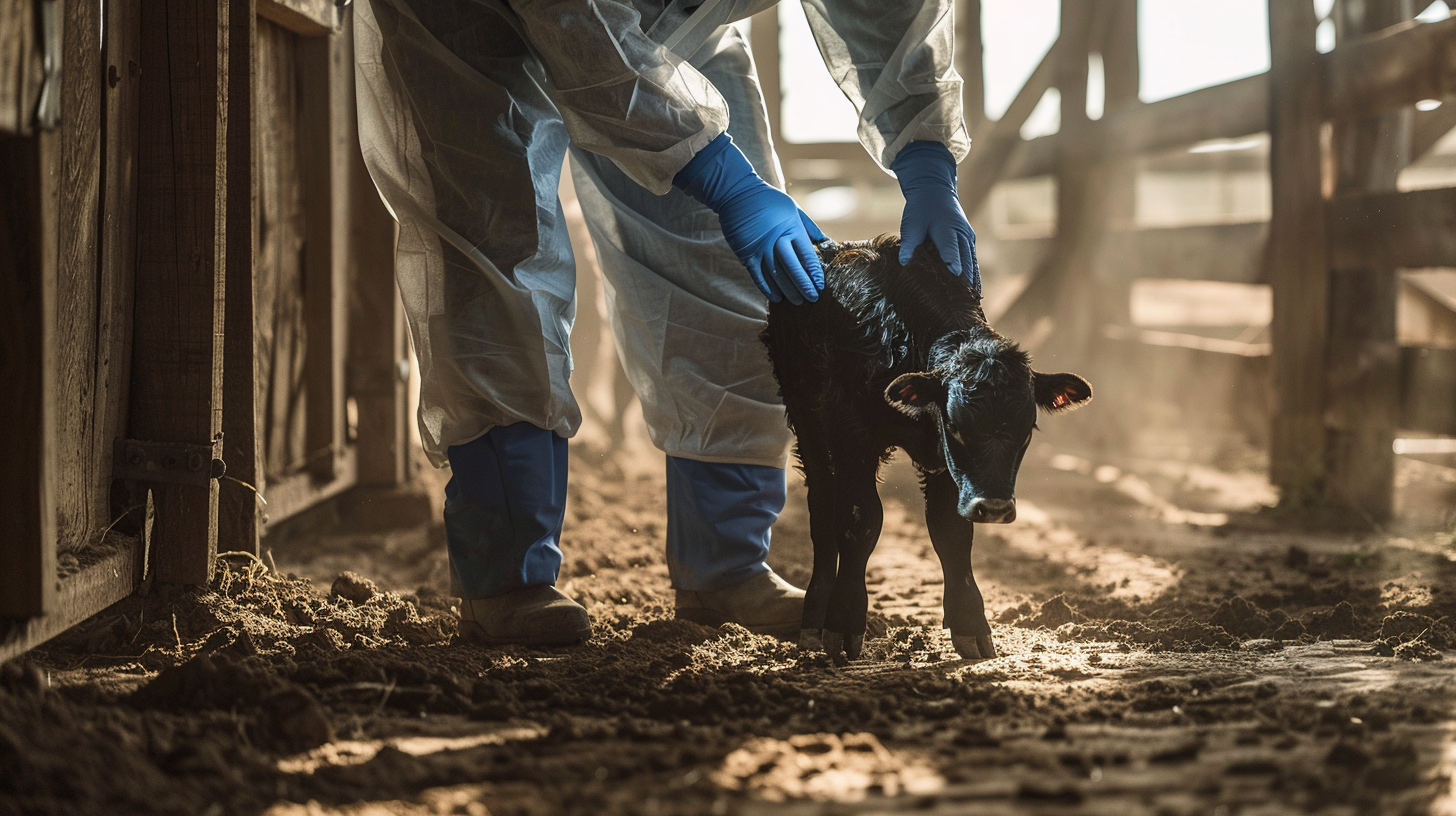
The US Department of Agriculture’s Animal and Plant Health Inspection Service (APHIS) confirmed on June 3, 2026 the detection of a New World screwworm (NWS) in a bovine in Zavala County, Texas — the first detection of the pest in the United States in decades.
According to the agency, the affected animal is a 3-week-old calf and larvae were identified in its umbilical area, with no further detections reported to date. The detection marks the first case of New World screwworm in Texas since 1966.
NWS is a serious pest that affects livestock, pets, wildlife, and — less commonly — people and birds; its larvae (maggots) burrow into the flesh of living animals, causing serious damage to livestock and economic losses, according to the agency. USDA emphasized that the U.S. food supply is safe, because screwworms do not infest meat, fruits, vegetables, or other food sources.
To protect animal health, reduce the spread of NWS, and prevent the pest from establishing in new areas, the Texas Animal Health Commission (TAHC) imposed a quarantine on “Infested Zone 01,” a 20-kilometer zone around the detection site, with movement controls and surveillance.
Under that order, any person in possession or control of covered animals must obtain permission and comply with all conditions set by the Commission before transporting animals beyond the quarantine, and the order remains in effect until released by the Commission.
USDA and TAHC established a unified incident command structure and deployed response personnel to the area. Officials are accelerating the targeted release of sterile NWS flies — a long-standing eradication technique — by immediately deploying ground-release chambers in the affected area, in addition to the 4 million sterile flies already being dispersed weekly by air.
Whether additional detections emerge beyond the single Zavala County calf will determine the scale of the response; as of the announcement, USDA reported no further detections.