
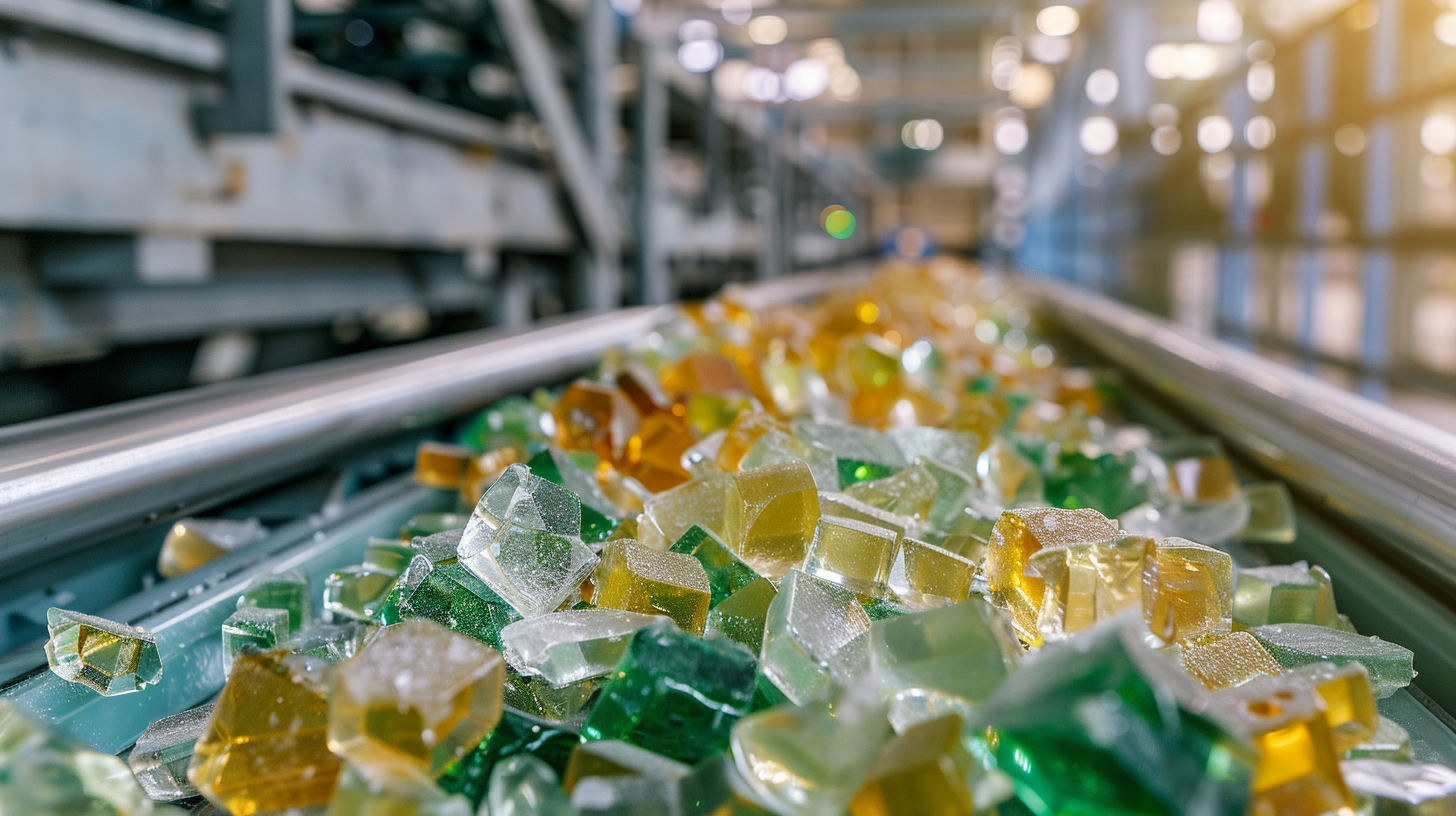
Two Texas sorting plants have renewed the highest national rating for glass recycling, even as most of the glass Texans drop into their bins never becomes a new bottle — a gap that recycling groups say a statewide container-deposit system would help close.
Only about one-third of the glass used in the United States is recycled, the Glass Recycling Foundation reported in its 2025 impact report, with most of the rest lost to contamination and breakage in single-stream collection. In May, the foundation recertified five material recovery facilities to its Gold standard, the top tier of a program reserved for plants that capture, clean and produce glass clean enough to be melted into new containers.
Two are in Texas: FCC Environmental Services plants in Houston and Dallas, the only Gold-certified facilities in the state. The other three belong to Rumpke Waste and Recycling in Ohio.
“These facilities prove that better glass recycling is possible today,” said Scott DeFife, the foundation’s board president. “With the right systems, more glass stays in the recycling loop, and our goal is to scale that success across the country.” Andrea Rodriguez-Pinero, FCC’s vice president of engineering and post-collections, said the company builds glass-recovery systems into its plants to maximize landfill diversion, calling glass “a highly valuable material that can be recycled infinitely without compromising quality.”
That value is largely stranded across the rest of Texas. Glass shatters as it rides with cans, paper and plastic in single-stream carts, and the shards contaminate other materials and damage equipment. Several Texas cities, including Longview, have dropped glass from curbside pickup, while Austin and others still collect it commingled. Nationally, only about 40% of the glass that reaches a sorting plant is clean enough to be accepted, the Glass Packaging Institute says.
The cleanest, most reliable supply comes from the handful of states that have a refundable deposit. States with bottle-deposit systems recycle more than 63% of their glass containers, compared with about 24% in states without them, according to the Glass Packaging Institute.
In California, which refunds a redemption value on most containers, glass recycling tops 80%. Roughly 60% of the cullet — crushed recycled glass — that can be remelted into new bottles comes from the 10 deposit states, DeFife has said, because deposit glass is collected separately and stays clean.
Texas has no such system. A beverage-container deposit bill cleared a Texas House committee unanimously in 2025 before the session expired, and backers are regrouping for 2027. Glass manufacturers have supported the idea; a Knauf Insulation plant in McGregor has told lawmakers it imports glass because Texas does not collect enough.
The Texas Legislature reconvenes Jan. 12, 2027, when supporters of the 2025 measure say they will refile it. In the meantime, the foundation said it will keep awarding grants to help sorting plants add glass-recovery equipment, part of what DeFife called a push to scale cleaner recycling nationwide.