
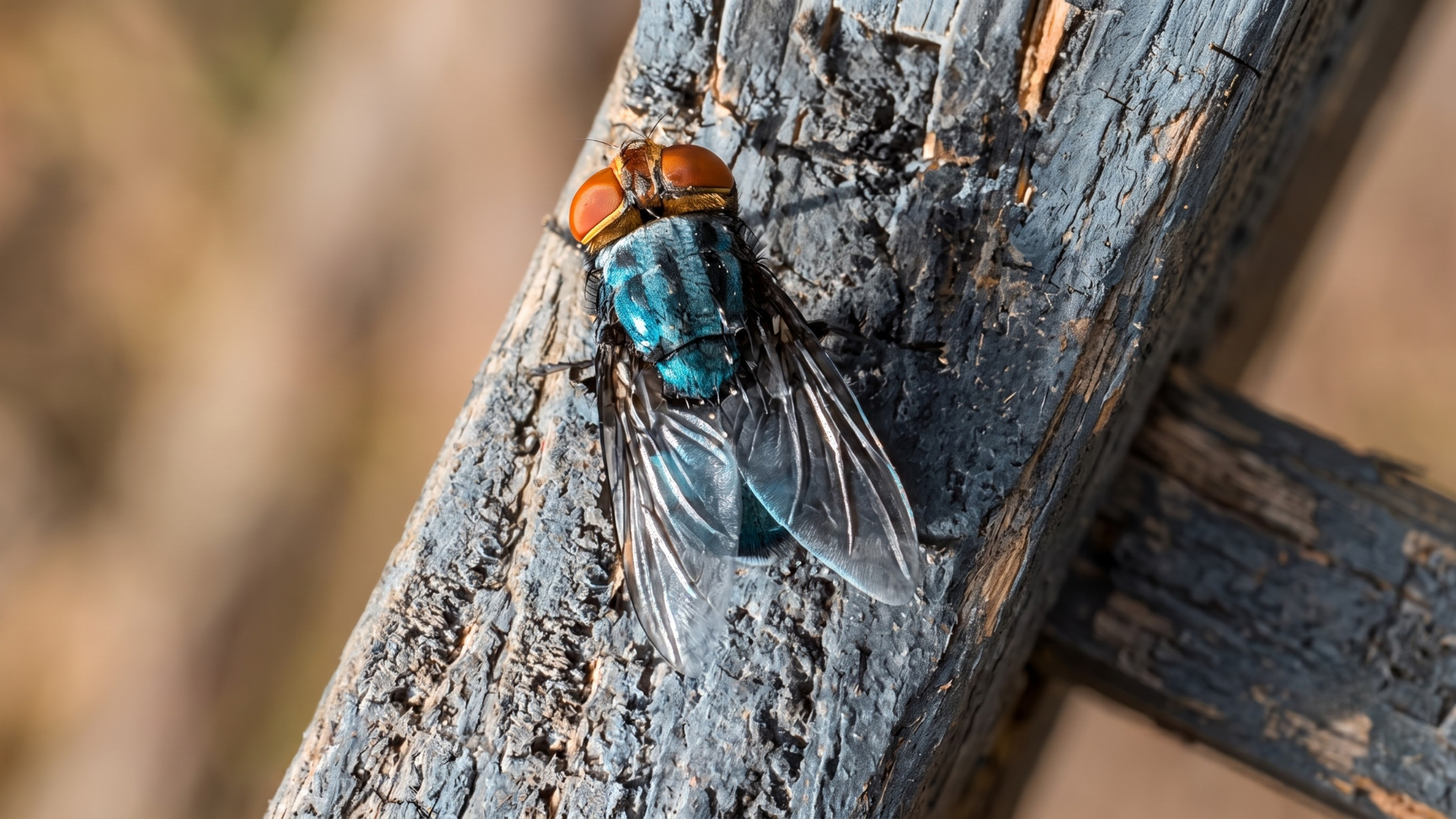
New World screwworm has been confirmed in Starr County for the first time, carrying the outbreak into a Rio Grande border county and pushing the U.S. case count to 41.
Starr County officials confirmed the county’s first case on Sunday, July 19, according to the county’s emergency management office, which told KGNS in Laredo that the larvae were found in a baby calf. County leaders said they are working with the Texas Animal Health Commission and other partners to contain the parasite, and asked residents not to panic but to report any animal with an unusual wound to local officials or animal health authorities.
The U.S. Department of Agriculture’s Animal and Plant Health Inspection Service lists the Starr County animal as a domestic cattle case confirmed July 18 on its confirmed-detections dashboard. The dashboard now reports 41 total animal cases in two states since the first U.S. detection on June 3, all in domestic animals, with zero cases in wildlife or feral animals and zero detections in fly traps. The other new entry is a sheep in Schleicher County, also confirmed July 18 and already listed as inactive.
Two numbers are moving in opposite directions. The total has risen from the 39 APHIS reported as of July 15 to 41. Over the same stretch, active cases have fallen from 18 to 12, while inactive cases have grown from 21 to 29 — meaning resolved infestations now outnumber ongoing ones by better than two to one.
Starr County is a significant geographic marker. The bulk of the outbreak has clustered in West Texas and the western Hill Country, with Crockett County alone accounting for 11 of the confirmed cases on the APHIS table, followed by detections in Pecos, Brewster, Terrell, Edwards and Sutton counties. Starr sits far to the southeast, on the Rio Grande between Zapata and Hidalgo counties.
The county was not outside the response perimeter. Parts of Starr were already covered by movement restrictions after a calf in neighboring Jim Hogg County was found infested, with northern Starr designated an infested zone and an adjacent section listed as a surveillance zone. Under Texas Animal Health Commission executive director orders, all warm-blooded animals inside an infested zone may not move out of the zone without prior authorization from the commission. Restrictions now touch parts of more than 20 Texas counties.
The case is the second confirmed detection in a companion or small-livestock animal this month in a new county. APHIS confirmed a screwworm case in a dog in Sutton County on July 13, San Angelo LIVE! reported, the third dog case nationally since the pest reappeared in the United States, following detections in Lea County, New Mexico, in June and Pecos County in late June.
No case has been confirmed in Texas wildlife, and no locally acquired human case has been reported. The Centers for Disease Control and Prevention’s situation summary continues to describe the risk to the general public as very low. USDA has said screwworm is not a food-safety issue.
Southern ports of entry have been closed to livestock trade in both directions since July 9, 2025, when Agriculture Secretary Brooke Rollins ordered the shutdown, and APHIS’s current-status page reports they remain closed.