
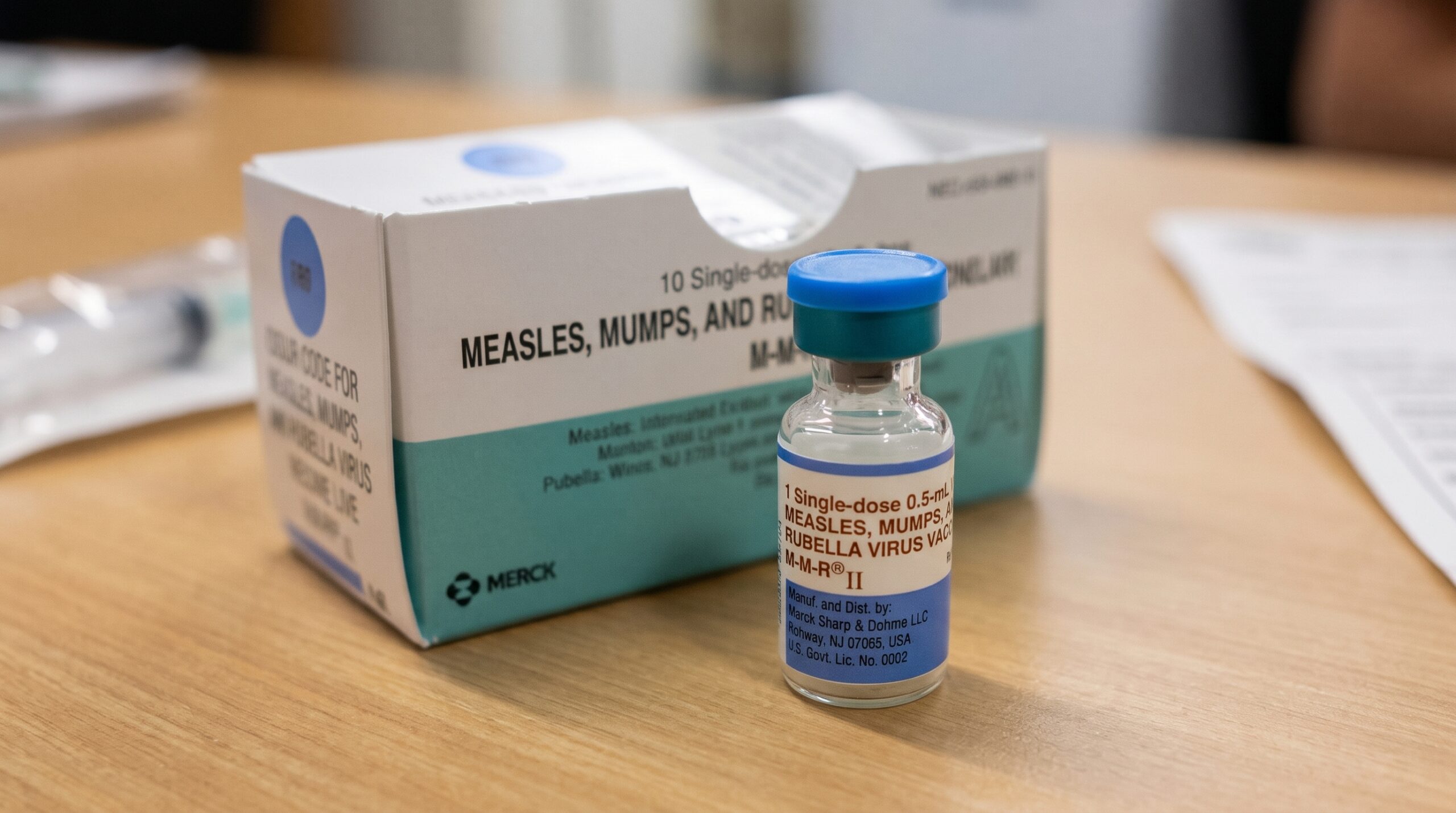
Measles does not check a child’s vaccination record before it walks into a Texas classroom. Neither do pertussis, mumps, or other vaccine-preventable diseases. Yet, despite having the tools to prevent these illnesses, Texas continues to face declining childhood vaccination coverage, leaving children and communities increasingly vulnerable to preventable outbreaks.
According to the Texas Department of State Health Services (DSHS), only 93.3% of Texas kindergartners were vaccinated against measles, mumps, and rubella (MMR) during the 2025–2026 school year. This remains below the 95% coverage generally needed to prevent sustained measles transmission, a threshold established by the Centers for Disease Control and Prevention (CDC). Although Texas saw a slight improvement in MMR vaccination coverage compared with the previous year, exemptions increased, highlighting the need for stronger prevention efforts.
The consequences are not hypothetical. Texas experienced a major measles outbreak in 2025 that resulted in two school-age deaths. These losses underscore the devastating reality of vaccine-preventable diseases and the importance of protecting children before outbreaks occur. As a nurse educator, I view childhood vaccination as a fundamental component of preventive healthcare and community protection. Vaccines reduce the risk of serious illness, hospitalization, and death while helping protect infants and immunocompromised individuals who may be especially vulnerable to infection. When vaccination coverage declines, the consequences extend beyond individual families to schools, healthcare systems, and entire communities.
However, blaming parents will not solve this problem. Some families face barriers such as transportation, limited appointment availability, and difficulty accessing affordable healthcare. Others have sincere concerns about vaccine safety or believe vaccination decisions should remain a personal choice. These concerns deserve respectful, evidence-based conversations rather than judgment. Texas must respond with policies that make vaccination easier to access, strengthen public education, and improve accountability for childhood immunization. The Texas Legislature should establish a state-funded childhood immunization initiative that combines school-based vaccination clinics, parent education, and transparent reporting of vaccination coverage. Rather than relying exclusively on school-entry requirements, Texas should invest in the resources that help families protect their children.
First, lawmakers should allocate funding through DSHS to support partnerships among school districts, local health departments, pediatric practices, and community health centers. These partnerships should provide accessible vaccination clinics, including evening and weekend appointments, particularly in underserved communities. Reducing transportation and scheduling barriers would help families obtain recommended vaccines without missing work or school.
Second, DSHS should collaborate with schools and healthcare providers to implement standardized, multilingual reminders for families whose children are due for vaccinations. Nurses and other healthcare professionals should receive resources to discuss vaccine benefits, potential adverse effects, and medical contraindications in clear, culturally responsive language. Building trust requires listening to families while ensuring that decisions are informed by credible scientific evidence.
Third, Texas should strengthen public reporting of school vaccination coverage and exemption rates. DSHS already collects school immunization data through the Texas School and Child-Care Facility Immunization Requirements, creating a foundation for identifying communities where additional outreach is needed. Policymakers should use these data to direct resources toward areas with lower coverage while maintaining appropriate medical exemptions and transparently evaluating exemption policies.
These actions are measurable and achievable. Within three years, Texas should reach at least 95% MMR vaccination coverage among kindergartners statewide. DSHS should publish annual progress reports measuring vaccination coverage, exemption rates, and disparities across counties and school districts. The state should also evaluate whether funded clinics and reminder programs improve vaccination completion, especially in underserved communities.
Critics may argue that stronger vaccination policies interfere with parental autonomy. Parental involvement in healthcare decisions is essential, and trust cannot be legislated. However, vaccination decisions also affect other children in shared environments. Texas can respect families by pairing clear school health policies with accessible services, transparent information, and respectful communication. Childhood vaccination should not become another casualty of misinformation, healthcare access barriers, or political polarization. Texas has the public health infrastructure and medical knowledge needed to protect its children. What is needed now is sustained legislative commitment. A classroom should be a place where children learn, build friendships, and grow, not a place where preventable diseases find opportunities to spread. Texas lawmakers must turn that principle into policy before another preventable outbreak costs a family its child.
Erin Mina is a nurse educator currently teaching Obstetrics and Pediatrics to undergraduate nursing students at The University of Texas at El Paso while pursuing a DNP in Executive Leadership at Duke University.