
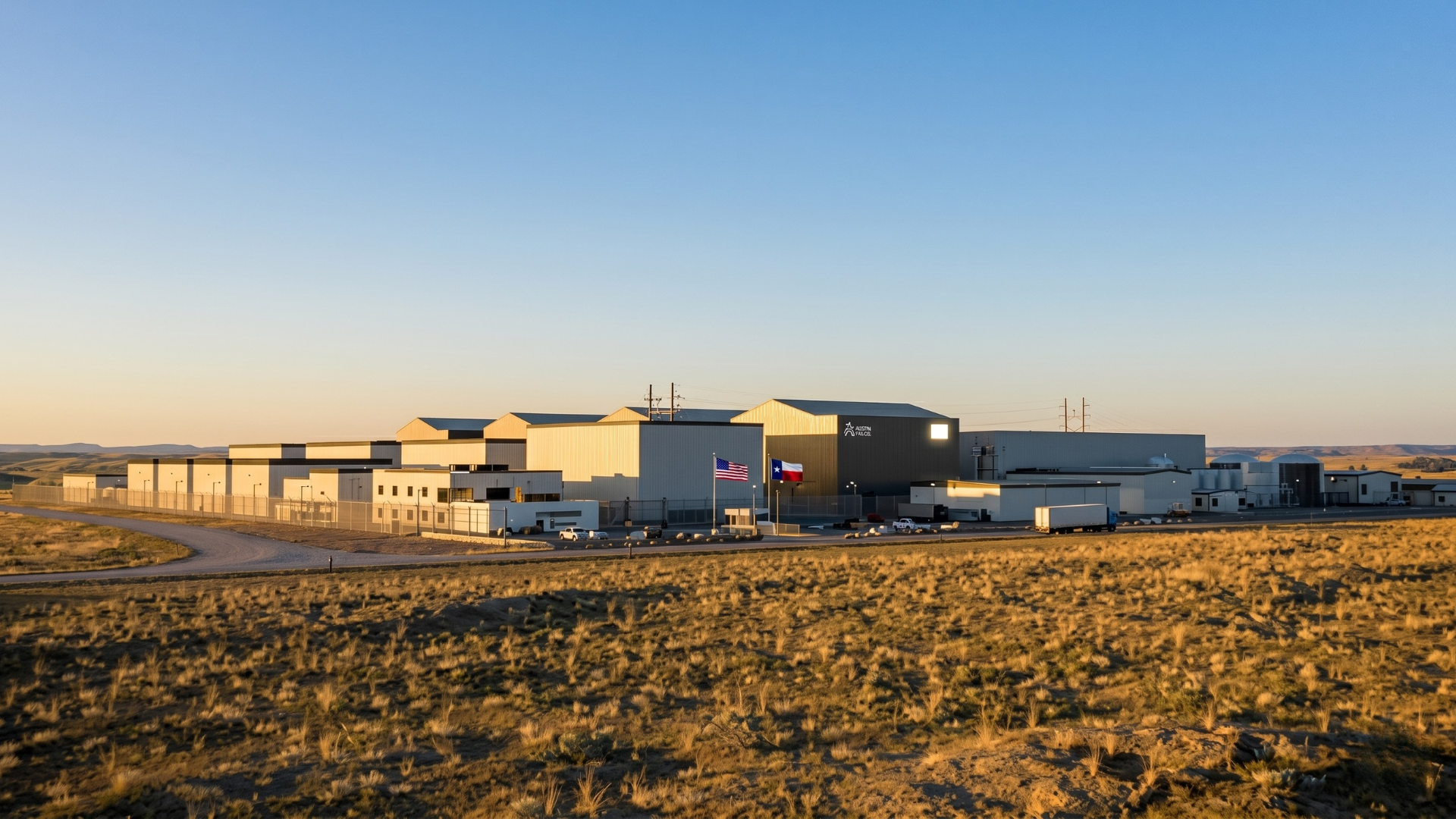
The U.S Nuclear Regulatory Commission (NRC) has completed its Environmental Assessment ahead of schedule for a proposed advanced nuclear project in Seadrift, Texas, issuing a formal Finding of No Significant Impact (FONSI).
The action clears a regulatory hurdle for the multi-million dollar venture spearheaded by Dow and X-energy, Inc., paving the way for what is slated to become North America’s first grid-scale advanced nuclear reactor built to power an active industrial manufacturing site.
The federal environmental review for the Long Mott Generating Station was completed in under a year, a speed agency officials attribute to X-energy’s extensive pre-licensing work and a high-quality Construction Permit Application submitted by Dow’s subsidiary, Long Mott Energy LLC.
The NRC determined that the facility’s footprint at an existing industrial location did not warrant a lengthier Environmental Impact Statement (EIS). The proposed plant will utilize four of X-energy’s 80-megawatt “Xe-100” small modular reactors (SMRs) to simultaneously generate electricity and high-temperature industrial steam for Dow’s UCC Seadrift Operations, which manufactures more than 4 billion pounds of materials annually.
The project represents a shift toward utilizing advanced nuclear energy for heavy industrial applications, which have traditionally relied on natural gas. Supported by the U.S. Department of Energy’s Advanced Reactor Demonstration Program, the Xe-100 is a high-temperature gas-cooled reactor designed to minimize environmental disruption.
According to project specifications, the reactor uses a specialized helium coolant that does not become radioactive during operations, eliminating common radiological management hurdles. The system operates with minimal water requirements, removing the need for sprawling cooling towers or aquatic water intake structures that can disrupt local marine ecosystems.
The 1,000-page environmental report submitted by the companies included 12 months of local groundwater monitoring and field surveys conducted in coordination with the Texas Historical Commission and the Texas Parks and Wildlife Department.
Reed Clay, President of the Texas Nuclear Alliance, characterized the swift federal approval as a “landmark moment” for the state’s energy sector. Clay noted that the project’s success validates that advanced nuclear technology can deliver safe, clean, and reliable firm power to industrial facilities on a predictable and accelerated timeline, cementing Texas’ position as an energy innovation hub.
While the environmental phase of the review is concluded, the project must still clear its federal safety evaluation. Under recent federal directives aimed at streamlining advanced reactor deployments, the NRC expects to issue its final safety determination on the construction permit later this year.
If approved, Dow is anticipated to finalize its ultimate funding and operating license decisions by 2028, targeting full commercial operations in the early 2030s.
“This approval establishes a replicable pathway for increased efficiency in the licensing process, built through years of preparation to demonstrate the strong safety profile of our technology,” stated Dragan Popovic, Chief Global Operating Officer at X-energy, emphasizing that technical diligence can streamline bureaucratic timelines without compromising safety.