
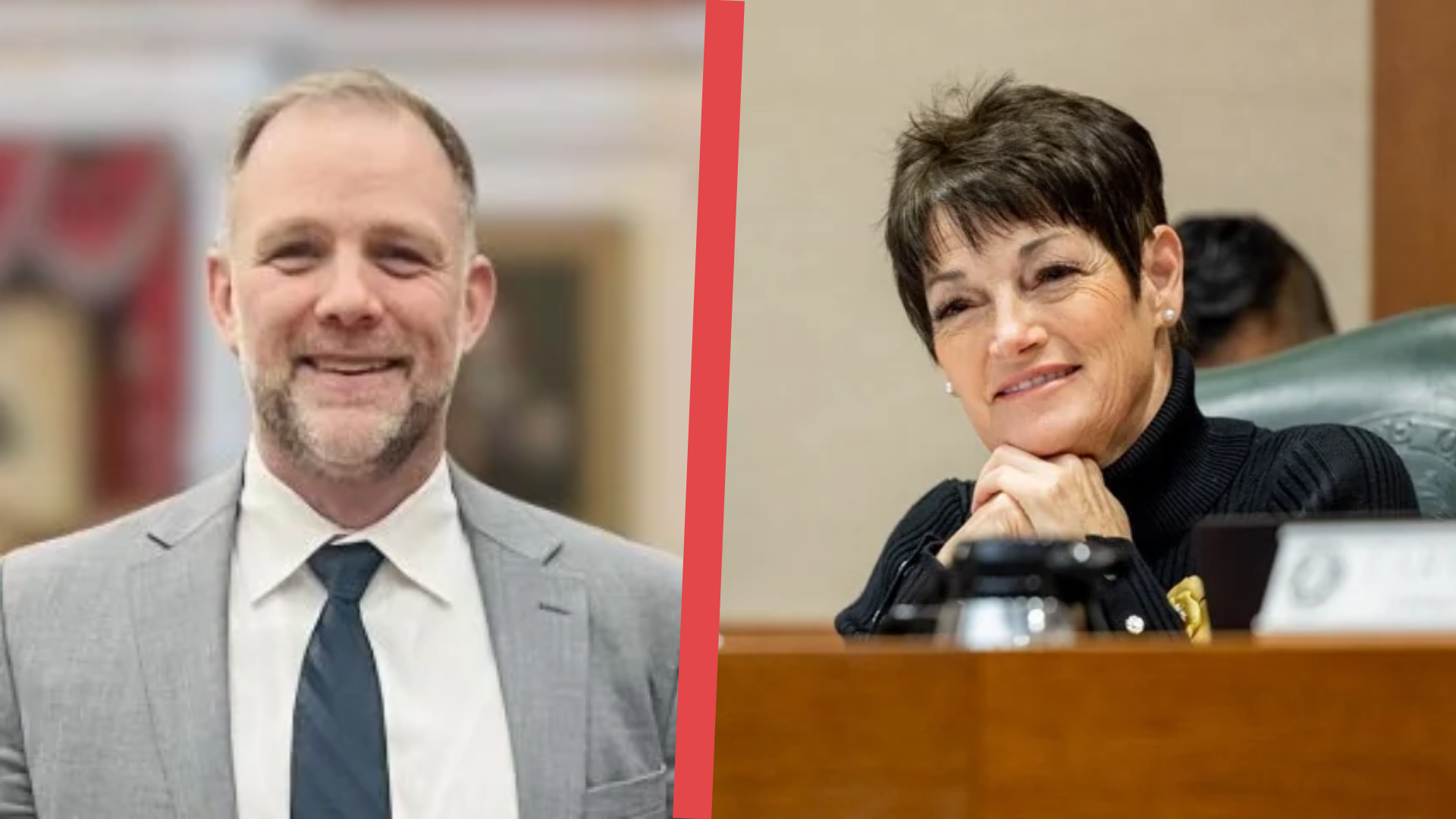
Texas counties, which have no general power to decide what gets built outside city limits, would gain two different kinds of control under bills filed this week. House Bill 587 by Rep. Brent Money of Greenville would require a county permit before anyone builds a data center, warehouse, battery or solar farm, concrete plant or landfill in a county’s unincorporated area. Senate Bill 339 by Sen. Donna Campbell would let county voters authorize zoning — rules about what can be built where — around aquifer recharge zones, floodplains and creeks.
The bills reach the central problem facing fast-growing counties on the edges of Dallas–Fort Worth, Austin and San Antonio: commissioners can approve plats, set road standards and regulate some health and safety matters, but cannot tell a landowner which uses belong where. City officials, developers and many rural landowners have resisted giving counties more authority, arguing it would add costs and limit property rights.
Money’s bill traces to a request from his home county. In a resolution adopted June 9, the Hunt County Commissioners Court asked Money and Sen. Angela Paxton to carry legislation letting counties adopt “a narrow, temporary, evidence-based, and judicially reviewable” moratorium on high-impact development, including data centers. The resolution states that “the Legislature has never granted counties general zoning or land-use authority.”
HB 587, filed Nov. 9, goes further than a pause. Under its text, “a person may not construct an industrial facility or offensive land use facility in the unincorporated area of a county unless the person obtains a permit from the commissioners court.” Industrial facilities include power plants, wind, solar and battery storage, factories, distribution centers, data centers and water or wastewater plants; offensive land uses include concrete plants, landfills, transfer stations and salvage yards. Commissioners would hold at least two public hearings, two weeks to two months apart, and weigh compatibility with nearby land, effects on health, air, water, roads and emergency services, and public comment. They could attach conditions, and revoke a permit if a project “causes undue harm to the surrounding area or community.” Current law contains no such county permit; Local Government Code Chapter 240 covers narrower subjects such as outdoor lighting and some water wells.
Campbell’s SB 339, filed Nov. 12, takes a ballot-box route. Under its text, registered voters equal to at least 10 percent of the county’s votes for governor in the last election could petition for an election. If voters approve, the commissioners court could regulate building size, lot coverage, density and land use in designated protected areas. Minimum buffers would include the 100-year floodplain and at least 200 feet from creeks and streamside areas, 300 feet from an aquifer recharge zone and 500 feet from karst, the porous limestone through which water reaches aquifers. A planning commission of local landowners and city appointees would recommend boundaries after public hearings.
SB 339 would also change platting — the process of dividing land into lots and getting the map approved. Current law requires a county to approve, conditionally approve or deny a plat within 30 days and generally bars counties from requiring development plans, according to Local Government Code Chapter 232. In protected areas, the bill would let counties require development plans and bar conditional approvals tied to the protected area. Counties that zone now do so only in specific places the Legislature has named, such as certain lakes and Padre Island.
The two approaches draw different objections. Builders and landowner groups have argued that county permitting creates uncertainty and delay; county officials, including Hunt’s, have said they have no tools to respond when large projects arrive next to homes. The Dispatch has covered similar county-authority bills for data centers and county judges telling senators they have “no authority”.
Both bills would take effect Sept. 1, 2027, if passed in the session that begins Jan. 12, 2027.
Key facts
- HB 587 (Money), filed Nov. 9, 2026: county permit required for industrial and “offensive land use” facilities in unincorporated areas; two public hearings (bill text).
- Hunt County asked Money and Sen. Angela Paxton for a temporary moratorium bill in a June 9, 2026 resolution.
- SB 339 (Campbell), filed Nov. 12: voter-approved county zoning near recharge zones, floodplains, karst and riparian areas; petition threshold 10% of last gubernatorial vote (bill text).
- Current county zoning exists only in places named by statute (Local Government Code ch. 231).