
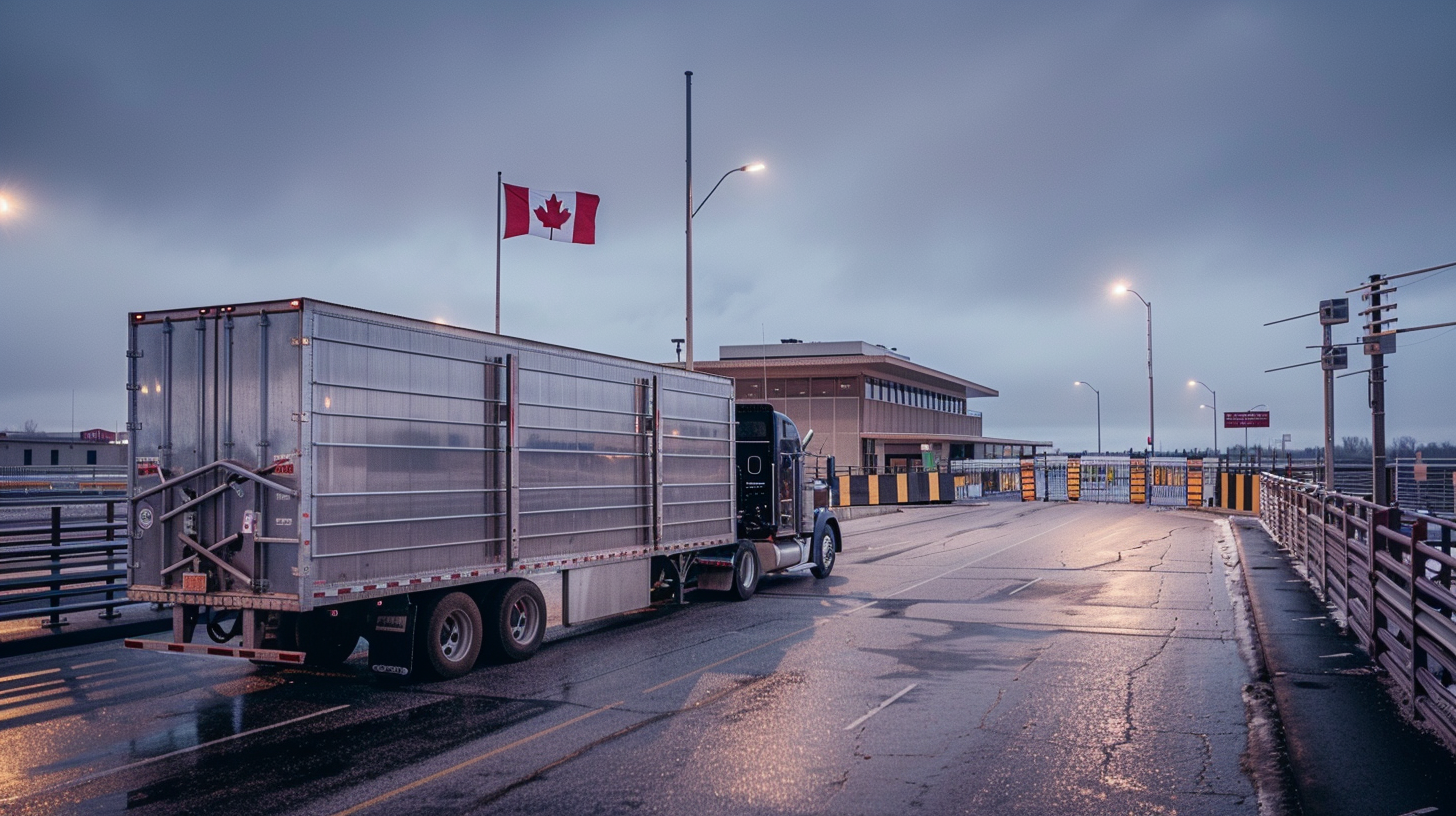
The international fallout from recent New World screwworm detections in South Texas escalated as the Canadian government moved to restrict imports of Texas livestock, drawing sharp pushback from state officials.
The Canadian Food Inspection Agency (CFIA) announced disease-control measures that temporarily halt imports of live cattle, horses, sheep, goats, and bison that originated in—or were present in—Texas within 21 days prior to border crossing. CFIA officials stated that the New World screwworm is not currently present in Canada and noted that the agency will “continue to work closely with U.S. counterparts” to adjust the temporary restrictions as conditions change.
The border restrictions represent a major trade development following the state disaster declaration issued after two confirmed screwworm detections in young calves in Zavala County.
The import restriction places a prominent export market on hold for the nation’s largest cattle state. According to reports from USA Today, the Texas cattle industry is valued at approximately $15.5 billion. Citing data from the U.S. Department of Agriculture (USDA), the report notes that the United States supplied Canada with upward of $3 billion in live animals and related animal products in 2024, though the federal dataset does not publicly isolate the exact portion originating from Texas.
The confirmed domestic case count has not changed. The USDA’s Animal and Plant Health Inspection Service (APHIS) continues to report exactly two confirmed detections, both localized to Zavala County. Animal health officials continue to emphasize that the screwworm parasite impacts live animals and does not affect the processed commercial meat supply.
Canadian regulatory officials also observed that Canada’s colder climate is generally inhospitable to the long-term establishment of the screwworm fly, though the pest can survive shorter periods during warmer summer months.
Texas officials objected to the scope of the import ban, defending the safety of state agricultural output.
“This pest affects live animals and does not impact inspected Texas beef,” Andrew Mahaleris, a spokesperson for Governor Greg Abbott, said in a statement to USA Today. Mahaleris characterized the Canadian restriction as an “overreaction that is more political than science-based,” adding that state agencies and the USDA are actively collaborating to contain the parasite within a limited geographic zone in South Texas.
Prior to the Texas restrictions, Canada had already barred most livestock imports from Mexico, where the screwworm front had been established before its detected movement northward.
Texas Agriculture Commissioner Sid Miller told NBC News that the USDA moved too slowly to contain the initial threat and relied on a partial biosecurity solution. Some policy critics have pointed to historical budget reductions in international screwworm-monitoring programs throughout Central America as a primary point of vulnerability.
The USDA denied assertions that past budgetary constraints allowed the parasite to breach domestic borders. U.S. Agriculture Secretary Brooke Rollins instead attributed the pest’s spread to prior federal border enforcement policies, while emphasizing current federal investments directed toward accelerating sterile-fly production and regional eradication releases.
The Texas Animal Health Commission (TAHC) advises livestock owners who suspect screwworm activity to contact state veterinarians or utilize the agency’s 24-hour reporting hotline. State protocols dictate that producers should not transport or move potentially affected animals until they are cleared by an inspector.