
Texas animal health officials have imposed movement restrictions on parts of two Big Bend counties after screwworm was found in a horse near the Rio Grande — the first horse infested since the flesh-eating parasite returned to the United States in June.
Lewis R. Dinges, executive director of the Texas Animal Health Commission and the state veterinarian, signed an order on Sept. 9 designating parts of Jeff Davis and Presidio counties as Infested Zone 21. “On September 8, 2026, NWS was detected in a horse in Presidio County,” the order states, using the agency’s shorthand for New World screwworm. The order took effect immediately and remains in place “until the quarantine is released by the Commission.”
For ranchers and horse owners inside the zone, the practical effect is that livestock cannot leave without the state’s permission. “Warm-blooded animals located within Infested Zone 21 may not be moved outside of the zone without prior authorization from the Commission,” the order reads. To move an animal out, “the animal must be inspected and treated as required by the Commission and issued a permit or certificate for movement by a Commission representative.” Hides and carcasses must also be inspected before they leave. “Unauthorized movement is prohibited and subject to administrative penalties and/or criminal prosecution,” the order says.
A U.S. Department of Agriculture guidance document on screwworm movement rules states that “all equids (e.g., horses) are considered farm-raised animals and subject to movement requirements,” and requires that any movement certificate carry the statement, “All animals were inspected and found free of evidence of NWS infestation.”
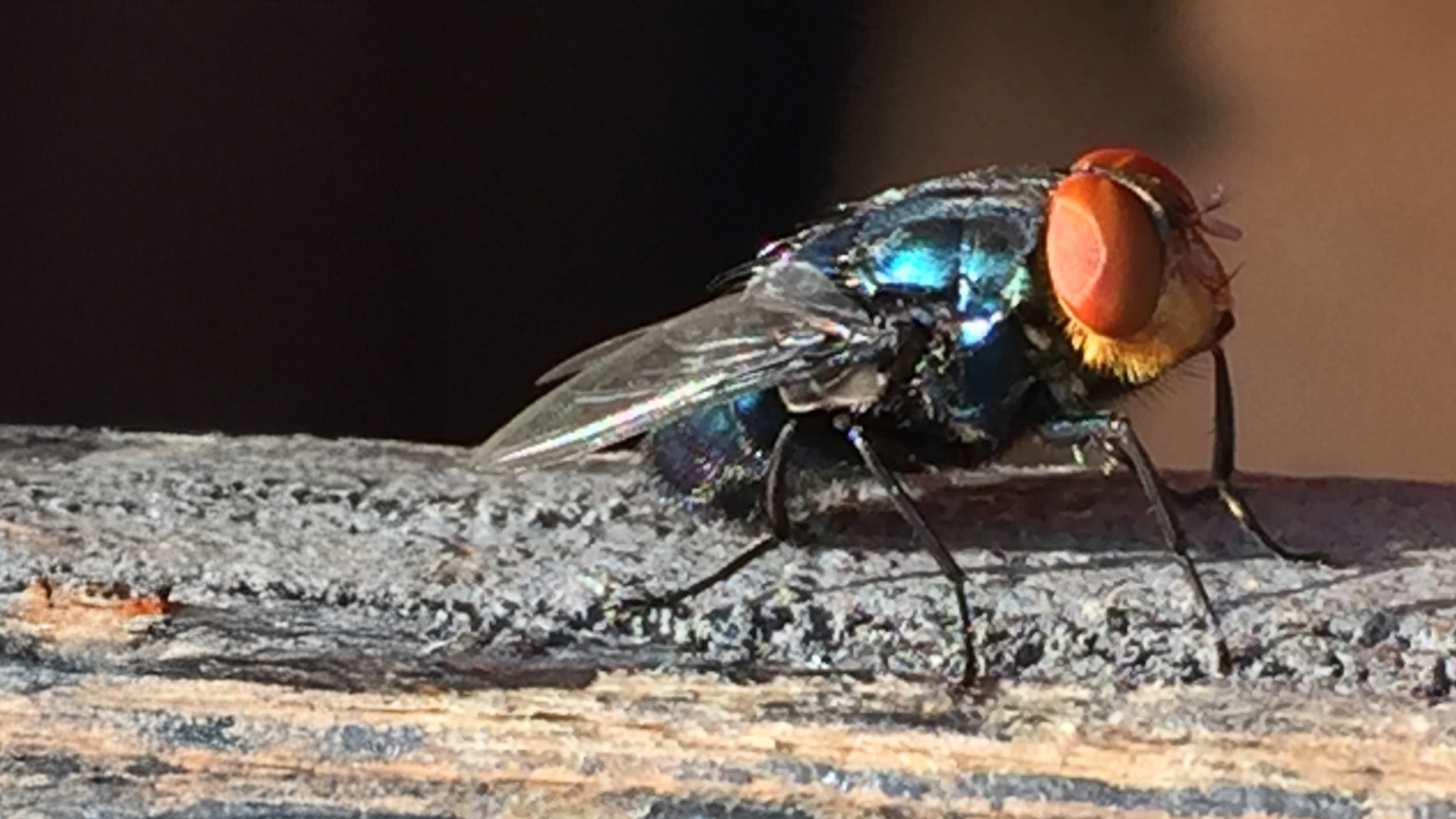
Screwworm is a fly whose larvae burrow into the living tissue of warm-blooded animals. The order describes the result plainly: as an infestation worsens, “it can cause serious injury, secondary infection, and can be fatal if not treated.” The federal government classifies it as a foreign animal disease, and Gov. Greg Abbott has kept a statewide disaster declaration in place since the first Texas detection, renewing it most recently on Sept. 2.
The horse is the 49th confirmed U.S. case since the outbreak began June 3, according to the USDA’s confirmed-detections dashboard. All 49 have been domestic animals — 48 in Texas and one in New Mexico. Until Sept. 8 the tally ran to cattle, sheep, goats and dogs only. There have still been no cases in wildlife, no infested flies caught in monitoring traps and no human cases. The previous confirmed case was a dog in Crockett County on Aug. 31, nine days earlier.
Presidio County was already partly restricted. A July 30 order drew Infested Zone 18 across parts of Brewster and Presidio counties after screwworm turned up in a cow in Brewster. Jeff Davis County is newly restricted. Sixteen Texas counties now sit under some quarantine, according to the commission’s public notice — a figure that has moved in both directions, since parts of Kimble County were released from restrictions on Sept. 4. The Dispatch reported on the creation of the previous zone, in Crockett County, on Sept. 2.
Geography gives the new case added weight. Presidio sits on the Rio Grande across from Ojinaga, Chihuahua, and its port of entry is one of five named in the protocol that the USDA’s Animal and Plant Health Inspection Service negotiated with its Mexican counterpart for restarting cattle imports halted by the outbreak. Only one of those five, Douglas, Arizona, has reopened. The agency has said it will “then consider reopening the Santa Teresa, NM and Columbus, NM ports to live cattle, bison, and horses,” and warns that “the opening of ports may be paused if USDA identifies increased risk in Sonora or Chihuahua.” A separate federal tally of Mexican cases within 100 miles of the border lists a horse in Chihuahua confirmed Sept. 1 roughly two miles from the United States. Neither agency has drawn a connection between the two animals.
Neither has said anything publicly about the Texas horse at all. The commission’s newsroom carries nothing since Aug. 31, when Dinges marked the first release of Texas zones with a warning that has aged into the week’s news: “While we are certainly celebrating this milestone, we can’t take our eye off the ball and must remain vigilant in monitoring animals and reporting any suspicions in these newly released areas and beyond.”