
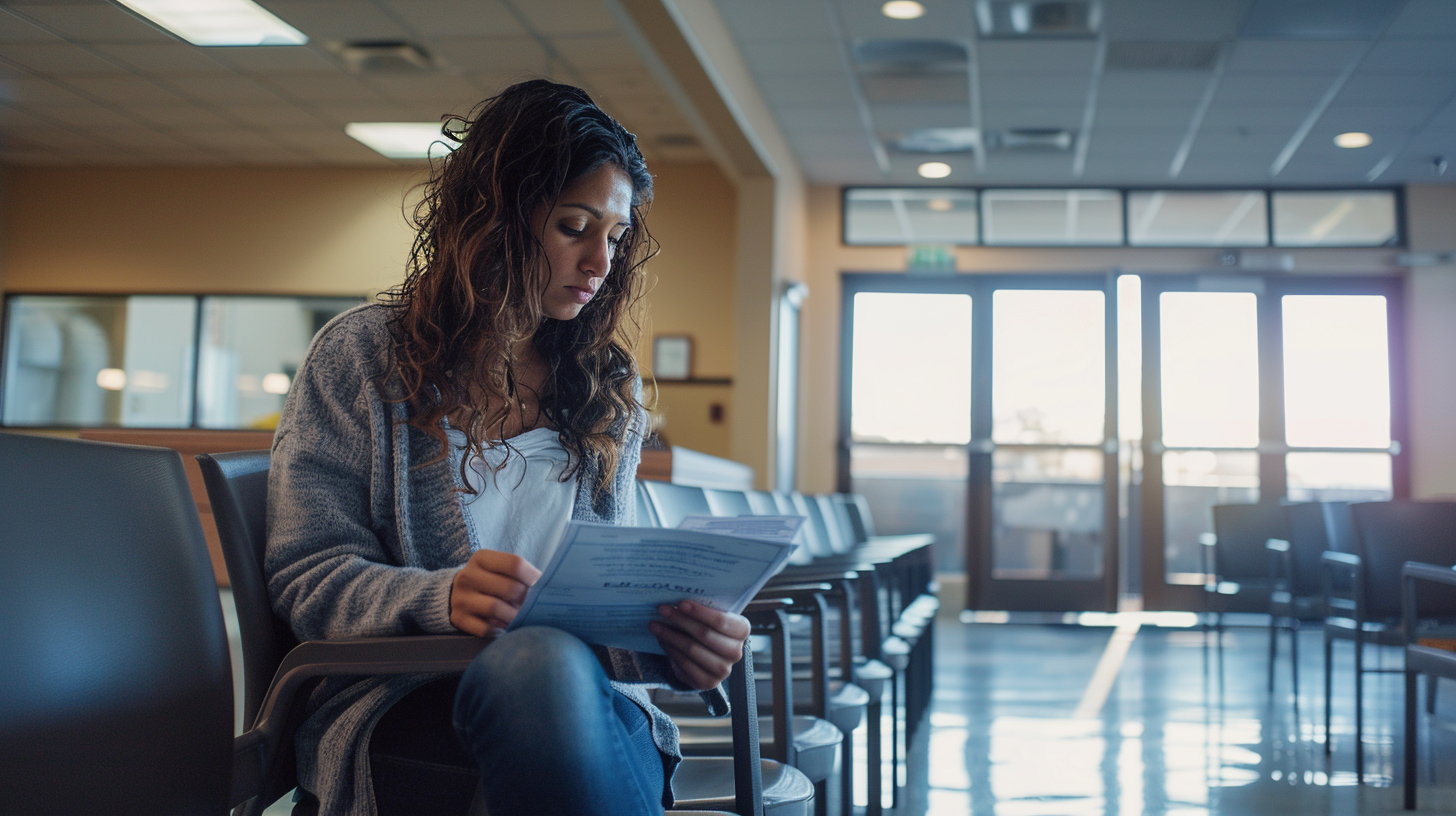
A new national voter survey found that only 31 percent of Americans believe the U.S. health care system is doing a good job of meeting women’s health needs, a shortfall that data show is especially pronounced in Texas, where women are among the most likely in the country to be uninsured and to live far from maternity care.
The survey was conducted by Impact Research and Echelon Insights for Center Forward. It polled 1,206 registered voters nationwide, was fielded Jan. 12-16, 2026, and carried a margin of sampling error of plus or minus 3.2 percentage points, according to the announcement.
By comparison, 41 percent of voters said the system does a good or very good job meeting men’s health needs, the survey found. Half of the women surveyed said the health care system does not pay enough attention to their health issues. Voters rated the system as doing a poor job meeting women’s needs around menopause, cited by 41 percent, after pregnancy and postpartum, 38 percent, and while trying to prevent pregnancy, 35 percent.
Despite the criticism, the survey found near-universal agreement that women’s health deserves attention. Ninety-two percent of voters, including 89 percent of Republicans and 95 percent of Democrats, agreed that women have unique health needs requiring specific attention, according to the release. More than two-thirds said it is very important for policymakers to ensure access to screenings for women-specific cancers, prenatal care, gynecological care, cardiovascular care, postpartum care, and diabetes and weight management.
The findings also pointed to disparities. Forty-six percent of voters said the system does a poor job meeting the needs of rural patients, and rural women were 6 points more likely than voters overall to report difficulty accessing quality care, the survey found. Among voters earning $30,000 to $49,000 a year, 61 percent said the system does not pay enough attention to their health issues.
The disparities the survey describes an acute trend in Texas. Nearly half of the state’s counties, 46.5 percent, are classified as maternity care deserts, meaning they have no hospital or birth center offering obstetric care and no obstetric clinicians, compared with 32.6 percent of counties nationally, according to the March of Dimes’ 2024 “Nowhere to Go” report. The same report found 20.4 percent of Texas mothers received inadequate prenatal care, above the national rate of 14.8 percent.
Texas also has the nation’s highest uninsured rate. The advocacy group Texans Care for Children, citing state data, has reported that nearly half of Texas women of childbearing age with low incomes lack health coverage, ranking the state last. A 2025 report by the Texas Advisory Committee to the U.S. Commission on Civil Rights cited high numbers of uninsured women, rural maternity care deserts and inadequate postpartum support as drivers of the state’s maternal mortality.
The Texas Maternal Mortality and Morbidity Review Committee found in its 2024 report that about 80 percent of pregnancy-related deaths in the state were preventable. Lawmakers have taken some steps to narrow the gap: under House Bill 12, Texas extended Medicaid postpartum coverage from two months to a full year effective March 1, 2024, a change state officials estimated would maintain coverage for more than 120,000 mothers a year.
“These findings should serve as a wake-up call for the health care industry and for policymakers,” said Tara Evans, marketing director for Plan B One-Step, in the release. “From reproductive health to menopause care to postpartum support, the gaps are real, they are significant, and voters want action.”
The survey is one installment of The 2026 Women’s Health Mandate, described by its sponsor as a five-part bipartisan data series on women’s health care in America conducted by Impact Research and Echelon Insights for Center Forward. Full topline results are available at center-forward.org, the release said.