
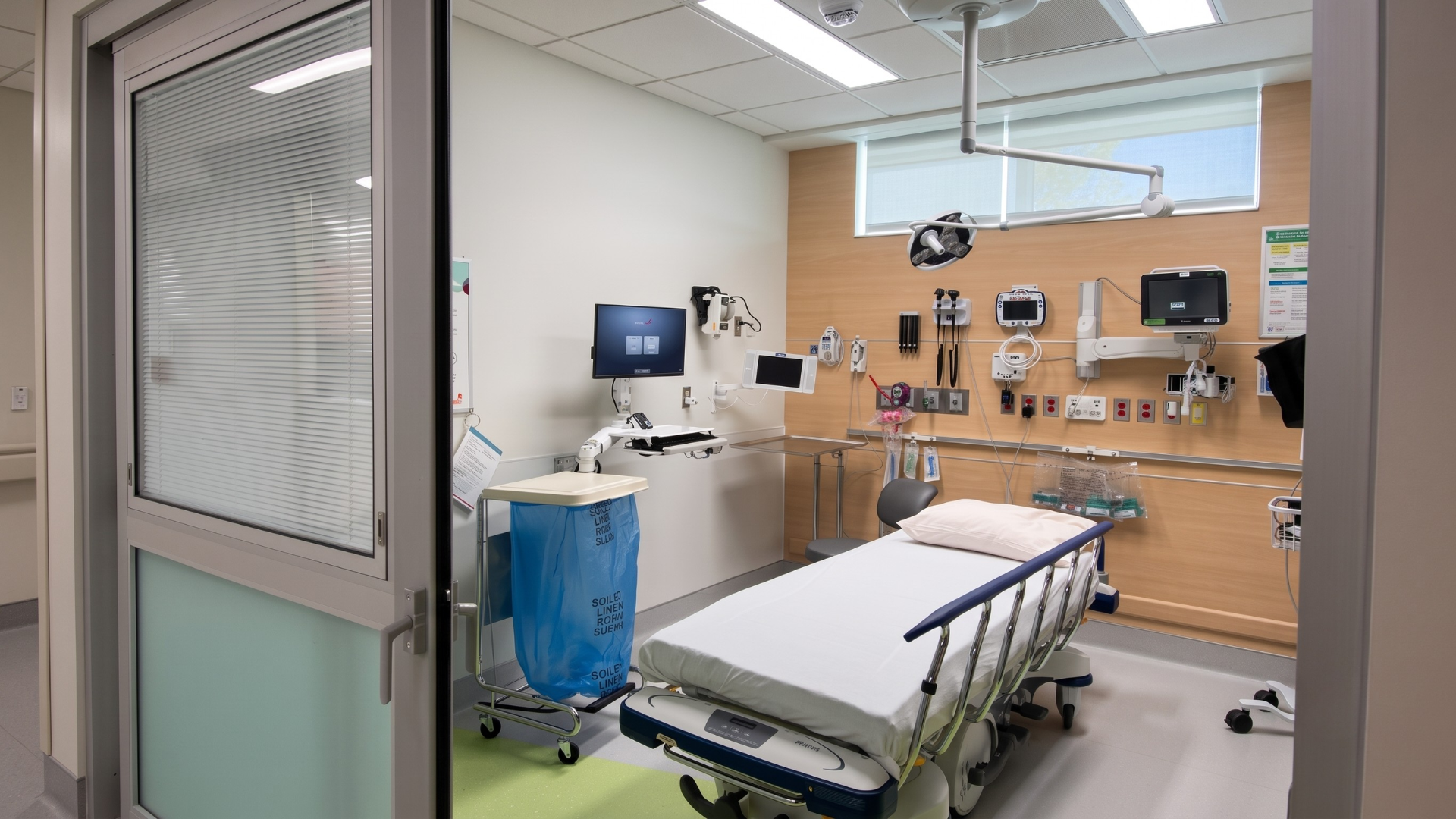
Texas health policymakers will take public testimony on July 24 on a Medicaid payment change aimed squarely at one of the state’s most acute access problems: the loss of labor-and-delivery services from rural hospitals.
The Texas Health and Human Services Commission has scheduled a public hearing on proposed updates to Medicaid payment rates, including a Rural Hospital OB-GYN Standard Dollar Amount (SDA) add-on, with the rate actions proposed to take effect Sept. 1, 2026. The add-on would raise what Medicaid pays rural hospitals that still deliver babies — a targeted attempt to shore up services that many facilities now provide at a loss.
More than 47% of Texas counties are maternity care deserts, meaning they have no hospital or birth center offering labor and delivery and no obstetric provider, according to March of Dimes data cited by the Texas Medical Association — far above the national share of roughly one in three counties.
The Texas Tribune reported in June that most rural hospitals still delivering babies lose money doing so, squeezed between low Medicaid reimbursement and too few annual births to cover the cost of round-the-clock obstetric staffing. When those units close, expectant mothers drive farther for prenatal visits and delivery, a pattern clinicians link to worse outcomes for both mothers and infants.
For a state that runs one of the nation’s leanest Medicaid programs, the reimbursement lever matters because Medicaid pays for a large share of rural births. Texas lawmakers first added extra Medicaid money for obstetric services in 2019; that funding, the Tribune noted, did not reopen shuttered units but helped stabilize hospitals headed for financial trouble.
The July 24 hearing tests whether a further add-on can move the math enough to keep the remaining rural delivery rooms open.
The rate proposal lands alongside the broader rural-health push the Dispatch has tracked this month, as the first dollars from Texas’s roughly $281-million-a-year federal Rural Health Transformation Program reach individual counties. Reimbursement changes and transformation grants work on different timelines — one adjusts what hospitals are paid per service, the other funds one-time projects and workforce over five years — but both aim at the same problem of keeping rural facilities solvent.
A higher SDA add-on raises payments to hospitals that still deliver; it does not, by itself, reopen a labor-and-delivery unit that has already closed or recruit the obstetricians and nurses a maternity ward requires. Rural-hospital advocates, including the Texas Organization of Rural and Community Hospitals, have argued that commercial insurers pay rural facilities far less than metropolitan ones for the same services — by their accounting up to 44% less for labor and delivery — meaning Medicaid alone cannot close the gap.
Patient advocates want the state to pair rate increases with sustained operating support and workforce pipelines rather than one-time infusions. Whether the add-on is adopted, and at what level, will be decided after HHSC reviews the July 24 testimony, with the rate change proposed to take effect Sept. 1.