
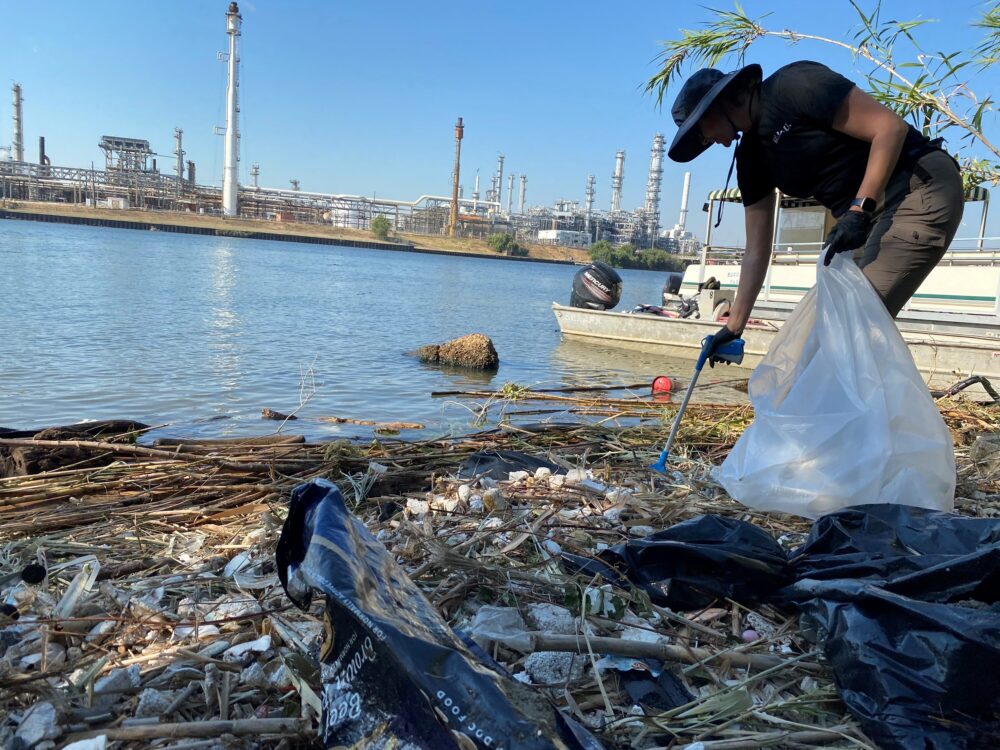
Texans for Clean Water released a new policy white paper detailing the financial impact of litter and illegal dumping on Houston property owners and managers.
The report, titled “Keeping Houston Properties Clean: The Hidden Costs of Litter and Illegal Dumping,” examines how cleanup spending, site-level maintenance costs, and resident dissatisfaction contribute to ongoing expenses for commercial and multifamily properties in the city.
The organization said that Houston’s fiscal year 2025 Solid Waste Management Department budget is approximately $107.8 million, covering environmental maintenance, heavy trash collection, and related waste services. According to Texans for Clean Water, the city’s One Clean Houston initiative has abated more than 2,170 illegal dumpsites totaling over 28,000 tons of material.
“Litter is not just a cosmetic issue — it’s an operating cost,” Maia Corbitt, President of Texans for Clean Water, said. “Property managers are paying for litter twice: once through taxes that fund municipal cleanup, and again through employee hours, hauling invoices, pest control, and resident turnover. If we want to stabilize costs, we need to reduce the volume of litter entering the environment in the first place.”
The white paper cites statewide data from the Texas Department of Transportation showing beverage containers account for 29 percent of large litter items identified in the 2023 Texas Litter Survey.
The report identifies modern Deposit Return Systems—also known as bottle deposit programs—as effective policy tools for reducing beverage-container litter. Studies referenced in the paper show reductions in beverage-container litter ranging from 69 to 84 percent following implementation in other states.
“Houston is spending substantial public resources reacting to litter and dumping,” Joe Trotter, Director of Texans for Clean Water, said. “But reactive cleanup will always be more expensive than prevention. Deposit recycling systems change behavior upstream. When containers carry a refundable value, they are far less likely to end up in parking lots, detention ponds, and fence lines.”
The organization encourages property managers and policymakers to review its findings and consider upstream policy solutions that could lower maintenance costs and reduce recurring waste-management burdens according to Texans for Clean Water as listed on the organization’s website.