
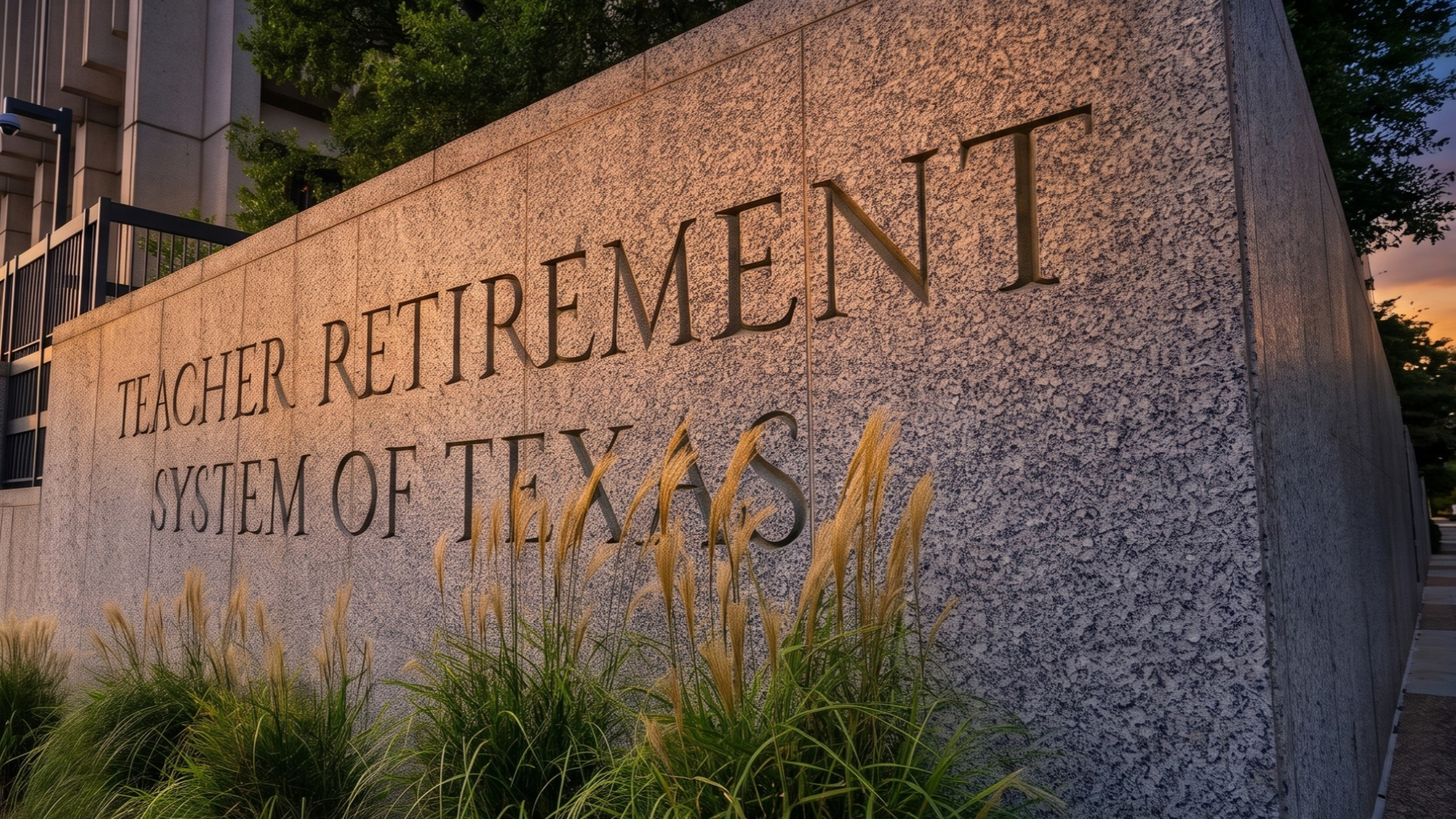
House Bill 1213 (90th Legislature), filed Nov. 17 by Rep. Ana Hernandez, would give Texas retired teachers an automatic yearly cost-of-living increase matching the one Social Security pays, starting Jan. 1, 2028. But the bill’s own safeguard bars any increase unless the Teacher Retirement System of Texas (TRS) is actuarially sound, and TRS says its pension fund does not meet that test now.
The gap between the promise and the trigger is the central fact of the bill for TRS, the state’s pension system for public school and college employees, which reports 2,102,992 members. Texas retired teachers do not receive automatic inflation adjustments under current law. Any increase requires an act of the Legislature, and the last one came in 2023.
Under the introduced text of HB 1213, the TRS board of trustees would set each year’s adjustment during the last seven days of October. The rate would equal the annual increase in the Consumer Price Index for Urban Wage Earners and Clerical Workers, the inflation measure the federal Social Security commissioner uses for Social Security’s cost-of-living adjustment. The adjustment would apply to service retirement, disability retirement and death benefits.
For a sense of scale, the Social Security Administration announced Oct. 14 that benefits will rise 3.6% in 2027.
The safeguard is in subsection (d). The board “may not pay a benefit increase under this section in any calendar year unless the board finds that the retirement system is actuarially sound and has money available to pay increased benefits in that year.” If the fund is sound but short of cash, the board must pay “the largest rate of adjustment possible” without losing soundness.
TRS’s own fund summary, based on its annual financial report as of Aug. 31, 2025, puts the fund’s funding period at 35 years, its funded ratio at 77.5% and its unfunded liability at $64.9 billion. The funding period is how long it would take to pay off the shortfall at current contribution rates. “At present, TRS’ pension trust fund does not meet the statutory definition for actuarial soundness by having a funding period of less than 31 years,” the page states.
HB 1213 does not define “actuarially sound,” so its meaning would likely be drawn from existing law. A separate provision of the Government Code already bars the Legislature from increasing TRS benefits if the change would push the time needed to pay off the fund’s unfunded liabilities past 30 years by a year or more.
On those numbers, the automatic increase would not pay out until the funding period falls by at least four years, either through investment returns or higher contributions. The bill does not appropriate money or change contribution rates. Benefits would be paid from the pension trust fund.
TRS itself notes that the last benefit increase came when the fund qualified. “With the pension fund actuarially sound in 2023, the Texas Legislature passed laws in the 88th Regular Session allowing for a cost-of-living adjustment (COLA) and a one-time stipend,” its summary says.
The bill’s design reflects both sides of the long-running debate: it ties retirees’ checks to inflation automatically, rather than leaving increases to each Legislature, while conditioning every payment on the fund’s long-term health. No fiscal note has been posted, and no TRS cost estimate for the bill was found.
The bill is identical to House Bill 2319 (89th Legislature), also by Hernandez, which was referred to the House Pensions, Investments and Financial Services Committee on March 14, 2025, and received no further action.
The Dispatch has tracked other prefiled bills affecting state and local budgets this fall, including a proposed local sales tax to cut property tax rates and a package of constitutional amendments.
TRS’s actuarial valuation as of Aug. 31, 2026, which would update the 35-year funding period, has not yet been posted. That figure, and a fiscal note, will show how far the fund is from the line HB 1213 draws when the 90th Legislature convenes Jan. 12, 2027.
Key facts
- HB 1213 (Hernandez) was filed Nov. 17, 2026 (Texas Legislature Online).
- It sets an annual TRS cost-of-living adjustment equal to the Social Security CPI-W adjustment, for benefits paid on or after Jan. 1, 2028 (bill text).
- No increase may be paid unless the TRS board finds the system actuarially sound and has money available (bill text, Sec. 824.704(d)).
- TRS reports a 35-year funding period, 77.5% funded ratio and $64.9 billion unfunded liability as of Aug. 31, 2025, and says it does not meet the statutory soundness test (TRS fund insights).
- Social Security’s 2027 adjustment is 3.6% (SSA, Oct. 14, 2026).