
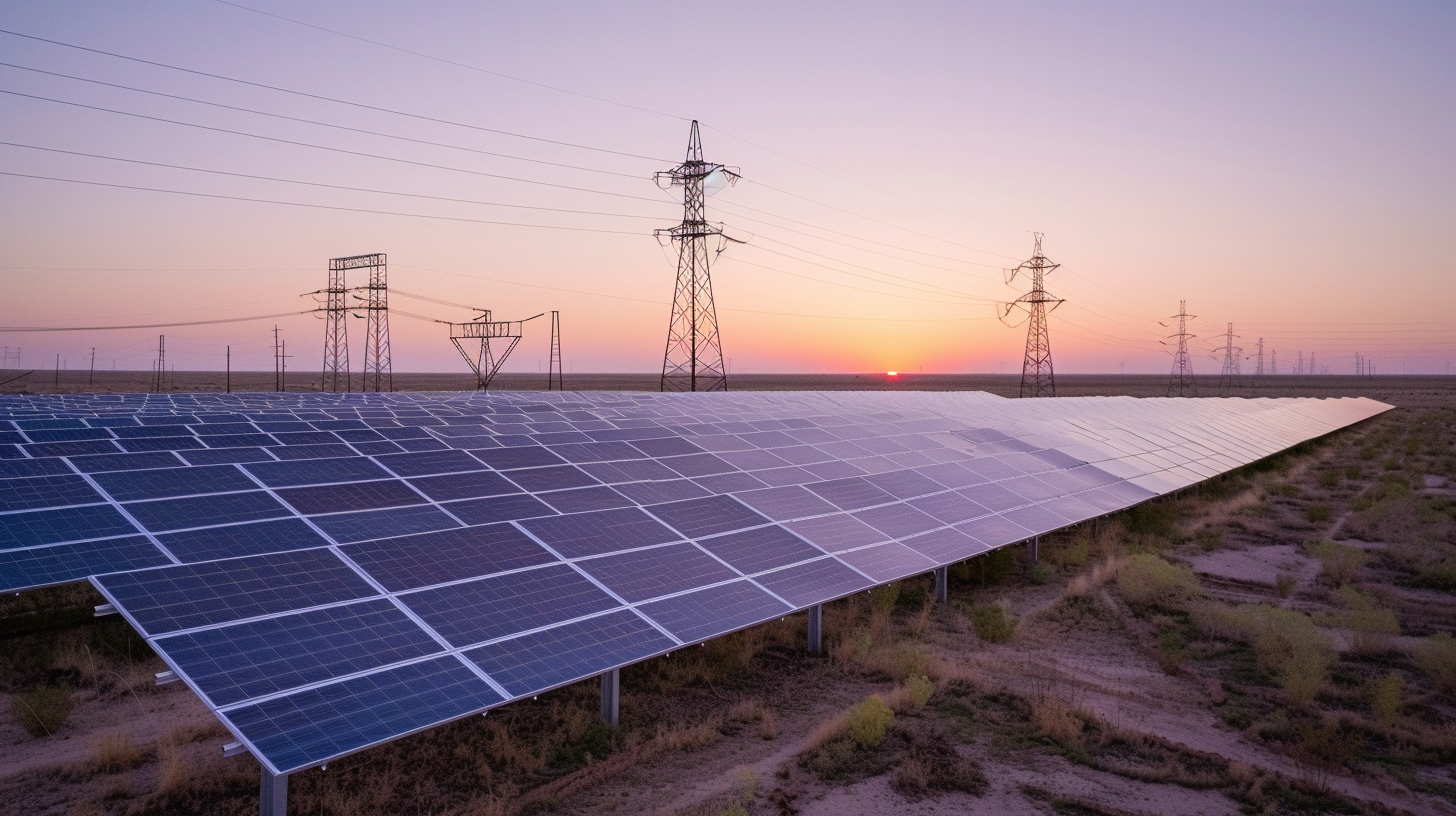
Don’t mess with Texas, a phrase as widely known as the state’s identity itself also captures a useful rule for policymakers: Don’t mess with what works. When it comes to powering the eighth-largest economy in the world, Texas has shown the strength of an energy addition approach. While cooler fall temperatures in the months to come may provide some short-term relief, high demand from data centers, a growing manufacturing sector, and population growth will continue to put pressure on the nation’s largest energy grid.
The state’s diverse energy supply has helped keep the lights on even under extreme conditions. On July 22 ERCOT recorded an all-time record for power demand, exceeding 91,000 megawatts during a period of extreme summer heat. The peak was met primarily by natural gas, at 48 percent of generation, and solar, at 32 percent, with ERCOT being left with more than 20,000 megawatts to spare. The question is no longer whether Texas builds more power. Rather it is what will the state build, how quickly it can come online, and whether policymakers will keep every reliable option on the table.
Governor Abbott is right to insist that large electricity users should be accountable for the demands they place on the grid and Texas communities. Data centers should pay their fair share, use resources responsibly, and demonstrate that new projects can be supported without shifting unreasonable costs onto existing Texans.
But Texas should be careful not to confuse accountability with retreat. Auditing new projects may help the state better understand its future needs. Restricting the energy resources needed to meet those needs would only make the challenge harder.
Texas became America’s energy capital by embracing all energy resources, including solar, and it is already seeing dividends from that expansion. The Lone Star State now ranks second in the country for total installed solar capacity, with more than 53,000 megawatts online. In 2025 it led every state in new installations, adding roughly 11 gigawatts — more than twice the next state. Another 39 gigawatts are projected over the next five years, the largest pipeline in the nation.
Solar now supplies more than 11 percent of the state’s electricity and represents over $68 billion in private investment. Texans still pay roughly 10 percent less for residential power than the national average. And the pattern is not ours alone: solar and storage made up 91 percent of all new generating capacity added nationwide in the first quarter of 2026. Moreover, Texas is not the only red state embracing solar. In fact, nearly three quarters of new utility-scale solar capacity was installed in Republican-leaning states.
With voters headed to the polls this fall, affordability is shaping races up and down the ballot, and Texas is already proof of what increased solar can deliver. Solar and batteries are why a summer heat wave no longer means a spike in Texans’ power bills. The Federal Reserve Bank of Dallas found that as solar and battery output climbed, ERCOT’s average summer wholesale price fell from $97 per megawatt-hour in 2023 to $28 in 2024, a drop Texans felt directly on their electric bills. Fabrizio, Lee & Associates, President Trump’s own pollster, found that, to bring costs down, 68 percent of GOP voters support building every form of electricity generation, including utility-scale solar, climbing to 70 percent if that solar equipment is built with American-made materials.
This is a win Republicans can claim in November. No one mandated it. The market built what worked, and solar was a large part of it.
Texas is growing, and its energy supply must grow with it. That will require oil and gas, nuclear power, wind, solar, storage, transmission and continued innovation. No single resource can do everything. But every resource that can provide reliable, affordable power should be evaluated on its merits.
Texas did not become an energy leader by limiting its options. We need more power, more choices and more freedom to build. It’s really simple: Don’t mess with what works and don’t mess with Texas’ energy advantage.
Charles Blain is a policy & data analyst and civic watchdog covering municipal finance, civic accountability, and the institutions that shape Texas. His forthcoming book – The Brotherhood Effect – will be published by John’s Hopkins University Press, Winter 2027.