
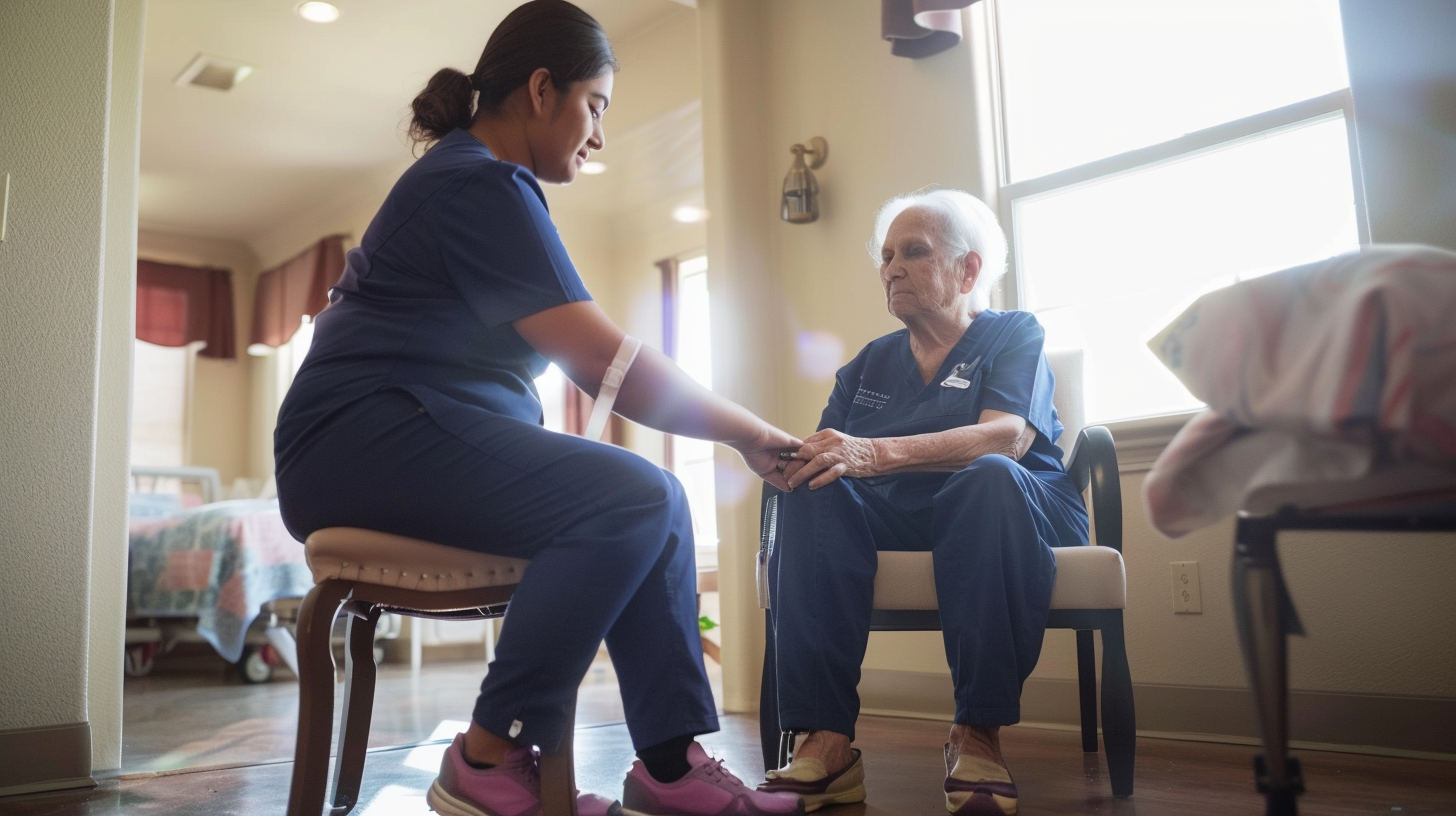
Across Texas, the strain on nurses, long-term care facilities and other medical facilities, and the patients who depend on them keeps growing. We celebrate our healthcare workers and recognize the tremendous impact they have on patients and families, but real recognition means fixing the system that surrounds them.
Doctors and nurses don’t work alone. Certified nurse aides (CNAs), medical assistants, technicians, educators, clinical supervisors, and support staff keep hospitals, clinics, and long-term care facilities running alongside them. When that workforce thins, nurses in particular absorb the shock, facing heavier loads, longer shifts, and less time at the bedside delivering essential care.
Texas’ healthcare challenge is a pipeline crisis. The state has lost nearly a quarter of its CNAs in the last decade, even as its population grew by more than nine million between 2000 and 2022. Today, 225 of Texas’ 254 counties face a primary care shortage, and federal projections show the state’s healthcare workforce reaching only 77 percent of demand by 2038 – a gap of more than 24,000 workers.
Fewer aides for more residents means mounting pressure on the nurses and families who depend on them.
At Dwyer Workforce Development (DWD), we treat the healthcare workforce as infrastructure. We partner with community colleges, training providers, healthcare employers, and community organizations across Texas to recruit, support, and place Dwyer Scholars in CNA roles – and to keep supporting them as they move up the clinical ladder.
Many workforce programs stop at training. We don’t. DWD connects Dwyer Scholars to hands-on, tuition-free CNA training through our partners while removing the barriers that too often derail them, such as childcare, transportation, and housing. We couple this support with extensive coaching and a clear path forward, so a first job in healthcare becomes the start of a long-term career, not a dead end.
This approach can lift communities out of poverty by providing opportunities that previously seemed out of reach. Healthcare is now carrying the U.S. job market even as hiring slows elsewhere. The industry offers some of the most reliable paths to middle-class stability, including competitive wages and long-term security, but only if trained workers keep moving through the pipeline at every level.
Workforce development done right is one of the strongest tools Texas has. Support for innovative and flexible training models, outcomes-based funding, and investment in stackable credentials will build the next generation of healthcare workers.
DWD has supported more than 7,000 healthcare Scholars across Texas, helping them enter and advance in the workforce. These thousands of entry-level healthcare workers can be tomorrow’s nurse, tech, or clinical leader.
DWD is committed to expanding our training partnerships across the state, working with educators, healthcare systems, and policymakers to grow the workforce nurses depend on. Demand isn’t slowing. Neither can we.
Behind every nurse is a pathway. Strengthen the pathway, and we strengthen care for every Texan.
Barb Clapp is the CEO of Dwyer Workforce Development, a workforce development leader building sustainable healthcare talent pipelines across Texas.