
Governor Greg Abbott and the Texas Health and Human Services Commission announced Wednesday that $60 million in initial federal funding is available to rural hospital districts across Texas to create or expand community-based prevention, wellness, and nutrition programs targeting chronic disease conditions.
The funding, released under the “Make Rural Texans Healthy Again” initiative, targets rural communities where access to preventive care and chronic disease management has historically lagged behind urban centers. According to the Texas Department of State Health Services, rural Texans face higher rates of diabetes, cardiovascular disease, and obesity compared to their urban counterparts, conditions the new initiative is designed to address directly.
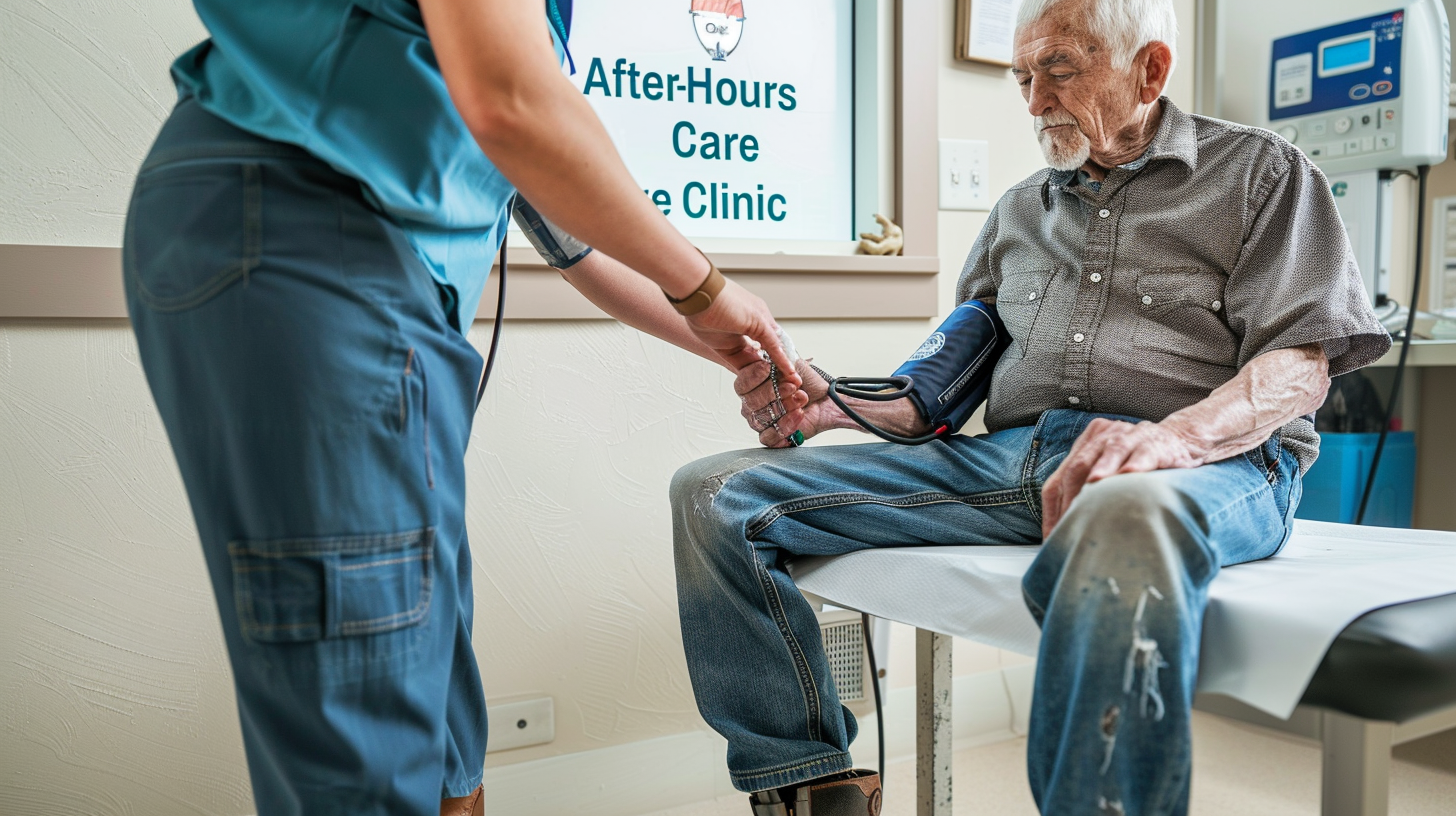
Rural hospital districts may use the federal dollars to open community wellness centers offering exercise and nutrition classes, support grocery stores, farmers markets, or local food pantries, establish after-hours primary care clinics to reduce non-urgent emergency department visits, and provide low- or no-cost chronic disease screenings, according to the Governor’s Office announcement. The funding is structured as initial disbursements, with rural hospital districts applying through HHSC for program development and expansion grants.
“Every community in Texas deserves to have a health system that works as hard as them,” Abbott said in the announcement. “This funding will aid rural hospital districts to provide the critical services needed to keep Texans healthy and strong. Together, we will ensure that top-of-the-line health programs and preventive care are accessible to every corner of our state.”
HHS Executive Commissioner Stephanie Muth said the initiative is built around upstream health interventions. “Improving health outcomes in rural Texas starts with prevention,” Muth said. “By supporting wellness and chronic disease prevention efforts, this initiative helps communities take meaningful steps” toward reducing the burden of chronic illness on rural residents and local health systems.
The $60 million allocation is part of the broader Rural Texas Strong plan, a state-level policy framework the Abbott administration has advanced to direct resources toward rural infrastructure, healthcare access, and economic development. According to the Texas Organization of Rural & Community Hospitals, more than 150 rural hospitals operate across the state, many of which serve as the sole healthcare provider within their counties. Several of those facilities have reported financial strain in recent years, with at least 26 rural Texas hospitals operating at risk of closure as of 2024, according to the Chartis Center for Rural Health.
The announcement is consistent with other efforts at state and federal coordination on rural health investment in Texas. The federal funding channeled through HHSC draws from programs administered at the federal level and distributed to states for targeted health initiatives. HHSC serves as the administering agency responsible for distributing funds to qualifying rural hospital districts and overseeing program compliance.
Chronic disease remains a persistent challenge in rural Texas. According to the Texas DSHS 2023 State Health Profile, rates of Type 2 diabetes and cardiovascular disease are elevated in rural counties compared to metropolitan areas, with limited access to specialists and preventive care services cited as contributing factors. The new initiative’s emphasis on after-hours primary care clinics directly addresses emergency department overuse, a cost driver that strains rural hospital budgets.
Muth said HHSC will work with rural hospital districts to implement programs suited to local community needs, indicating flexibility in how individual districts deploy the available funds within the approved categories.
Rural hospital districts seeking to access the funding are directed to contact HHSC for application details and program eligibility requirements. The Governor’s Office said additional funding rounds may follow as the Rural Texas Strong initiative continues to roll out across the state.