
Central Texas continues to grow rapidly, bringing new opportunity along with continued pressures on housing, infrastructure, and resources. Business leaders in the area are now focused on sustaining that momentum while effectively managing its costs.
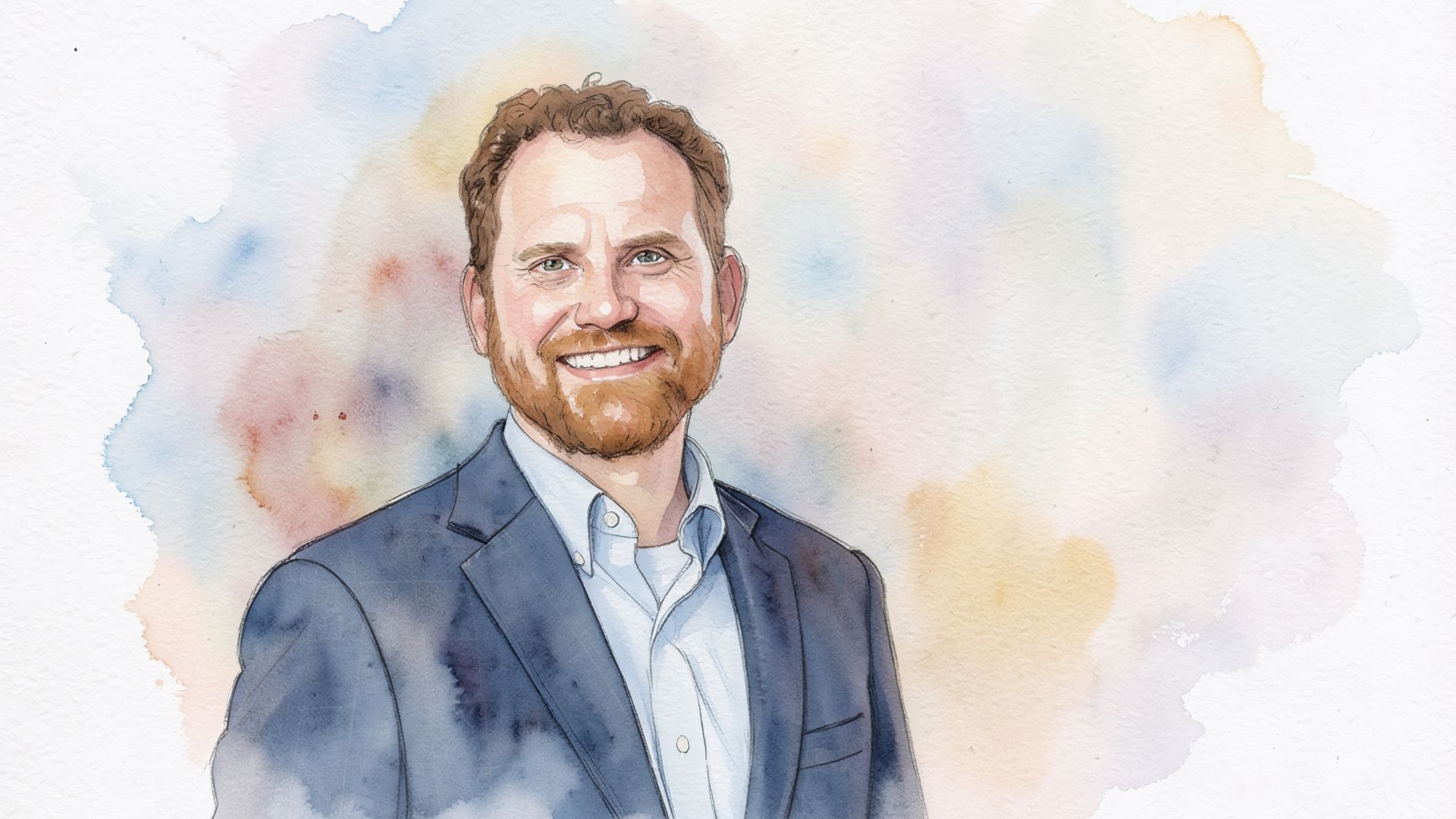
Jeremy Martin, president and CEO of the Austin Chamber of Commerce, says the region’s success depends on investing in core systems while keeping Austin attractive to talent and employers.
Martin has served as president and CEO of the Austin Chamber for three years. His career with the organization began in 2004, when he led local government affairs for the business community. He later oversaw public policy and strategic planning.
Martin says Central Texas remains one of the strongest economic regions in the country. “When you look at where we are within a five county central Texas in comparison to the rest of the state, rest of the country, there’s no place I’d rather be,” he says. “Austin, Central Texas is still punching above its weight compared to the rest of the state with respect to GDP growth, employment growth.”
Increasingly, the surrounding counties are contributing more to the region’s expansion. “There’s a lot of activity happening throughout the region,” he says, pointing to development in Williamson, Hays, Bastrop, and Caldwell counties.
That expansion reflects what he describes as a defining feature of the local economy. “It’s that balance of loving what’s been in Austin for a long time, but also what’s that next new thing?”
Martin says talent remains the foundation of Austin’s economic strength. “Austin is the human capital,” he says. “It’s the place where people want to be. People want to start their career here, grow, and where talent wants to be is where great companies want to be.”
Universities play a key role, though he notes that migration continues to help supplement workforce gaps created by sustained growth.
Infrastructure has become a central concern for some leaders in Austin. “Infrastructure is always top of mind,” he says, citing major projects including airport expansion, the rebuilding of Interstate 35, public transportation investments, and a new convention center. “All of those are indicators that we are betting on ourselves for a bigger, bolder, brighter future.”
Housing affordability remains another pressure point. Martin says pandemic-era price increases have eased but still require attention. “That price escalation was very high and not sustainable,” he says. “Since then, as you know, it’s leveled out, but actually declining.”
He adds that long-term affordability remains critical. “If we don’t take care of those, then we’re not taking care of what’s important to the talent that wants to be here.”
The Chamber represents more than 1,900 businesses, from small entrepreneurs to major corporations. Martin says the organization focuses on shared priorities. “There are things that affect everyone, whether it’s public safety, affordability, regulatory climate,” he says.
Fiscal policy plays a major role in those concerns. “A primary driver of that cost is going to be talent,” he says, adding that taxes, fees, and permitting also shape the cost of doing business.
The Chamber opposed Austin’s Proposition Q and has supported efforts to improve city efficiency. “How can they look at their internal operations to ensure that they are operating as effectively and efficiently as possible?” he says.
At the state level, Martin emphasizes the need for consistent investment. “It’s not a one and done issue,” he says, referring to water, energy, and transportation. “We have to have water. We have to have energy in order to have great quality of life.”
Economic development decisions, including emerging industries like data centers, require careful trade-offs. “It’s incumbent on each community to articulate its values,” he says. “It has to provide a positive return to the taxpayers.” He adds that projects must balance tax revenue, job creation, and resource use.
According to Martin, Texas’ broader strength lies in regional diversity. “Austin’s been a traditional tech center,” he says, while Houston leads in energy and Dallas in finance and logistics. “All of those in combination… it’s very attractive for foreign direct investment.”
He points to innovation as a future trend. “All businesses are tech, all tech is business,” he says. Artificial intelligence is part of that shift, though he describes it as a tool rather than a disruption in itself. “How do you use that tool? How does it enhance your productivity? How does it enhance your innovation?”
According to Martin, policy should support that evolution without slowing it down. “Ensuring that policy helps entrepreneurs instead of getting in their way,” he says, “that’s what we need to pay attention to in the next three to five years.”