
The nonpartisan advocacy group Texans for Clean Water issued an official response praising local volunteers while renewing calls for state-level bottle deposit system, following a weekend cleanup on San Jose Island near Port Aransas.
The organization pointed to the massive volume of waste retrieved from the uninhabited shoreline as proof that the state’s current beverage container disposal network requires systematic reform.
The statement follows a cleanup effort where 53 volunteers successfully removed 1,430 pounds of debris from a remote, boat-access-only jetty. Organizers confirmed that 95% of the recovered litter consisted of plastic, including an estimated 4,600 discarded single-use beverage bottles.
Group executives argued that the accumulation of consumer waste on an isolated barrier island underscores a broader systemic failure in how recyclable materials are captured and processed across Texas.
Maia Corbitt, President of Texans for Clean Water, commended the extraordinary dedication of the local volunteers but emphasized that the severity of the pollution demands proactive legislative frameworks rather than repeating temporary cleanups. She asserted that the presence of thousands of items on a hard-to-reach shoreline highlights why the state must implement practical strategies to stop litter at its source.
The advocacy group is pushing for market-driven solutions that leverage consumer financial incentives—such as bottle deposit systems—to encourage individuals to return containers before they ever enter local ecosystems.
Deputy Executive Director Joe Trotter argued that the current framework unnecessarily sacrifices valuable commodities. He noted that keeping aluminum, plastic, and glass circulating within the domestic manufacturing supply chain benefits the American economy instead of allowing materials to be permanently lost to landfills or open coastal environments.
According to Trotter, container deposit mechanisms are positioned to remain a central element of upcoming legislative discussions as state lawmakers weigh alternative methods to optimize statewide recycling yields.
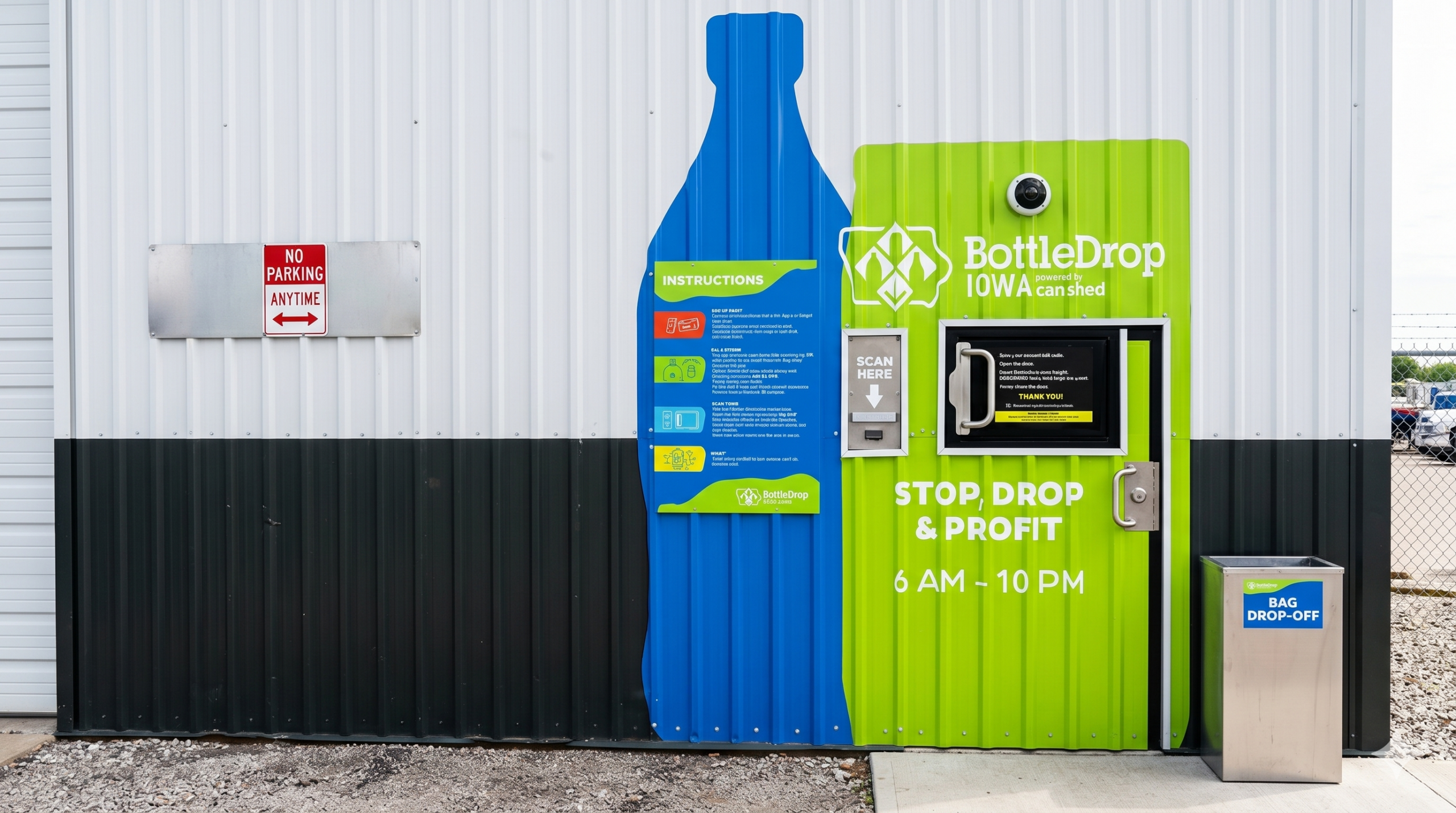
Data from the Iowa Department of Natural Resources shows that these policies, such as the long-standing Iowa “Bottle Bill” consistently diverts over 1 billion beverage containers from entering landfills, landscapes, and waterways annually through its successful 5-cent deposit framework.
“We should not accept a system where valuable aluminum, plastic, and glass end up floating through waterways or washing onto Texas beaches,” Joe Trotter stated, framing the adoption of financial consumer incentives as a commonsense approach to environmental stewardship and domestic supply chain security.