
Eight weeks into the first New World screwworm outbreak on U.S. soil in decades, the numbers have gone quiet. The federal count of confirmed animal cases has held at 42 since July 21, and the share still under active treatment has settled near the lowest point since the flesh-eating fly was first detected in Texas in June, according to the U.S. Department of Agriculture’s confirmed-detections dashboard, reviewed July 29.
The dashboard, maintained by USDA’s Animal and Plant Health Inspection Service (APHIS), lists 42 confirmed cases across two states — 41 in Texas and one in New Mexico. Of those, 10 remain active, meaning an animal is still being treated or a premises is still under a hold order, while 32 are inactive, meaning the case has been closed out.
That roughly three-to-one ratio of resolved to active cases is the widest of the outbreak — a gap The Texas Dispatch first reported opening up in late July — and it has barely moved in a week. No cases have been confirmed in wildlife, and none in humans. The agency’s monitoring traps have caught no wild screwworm flies.
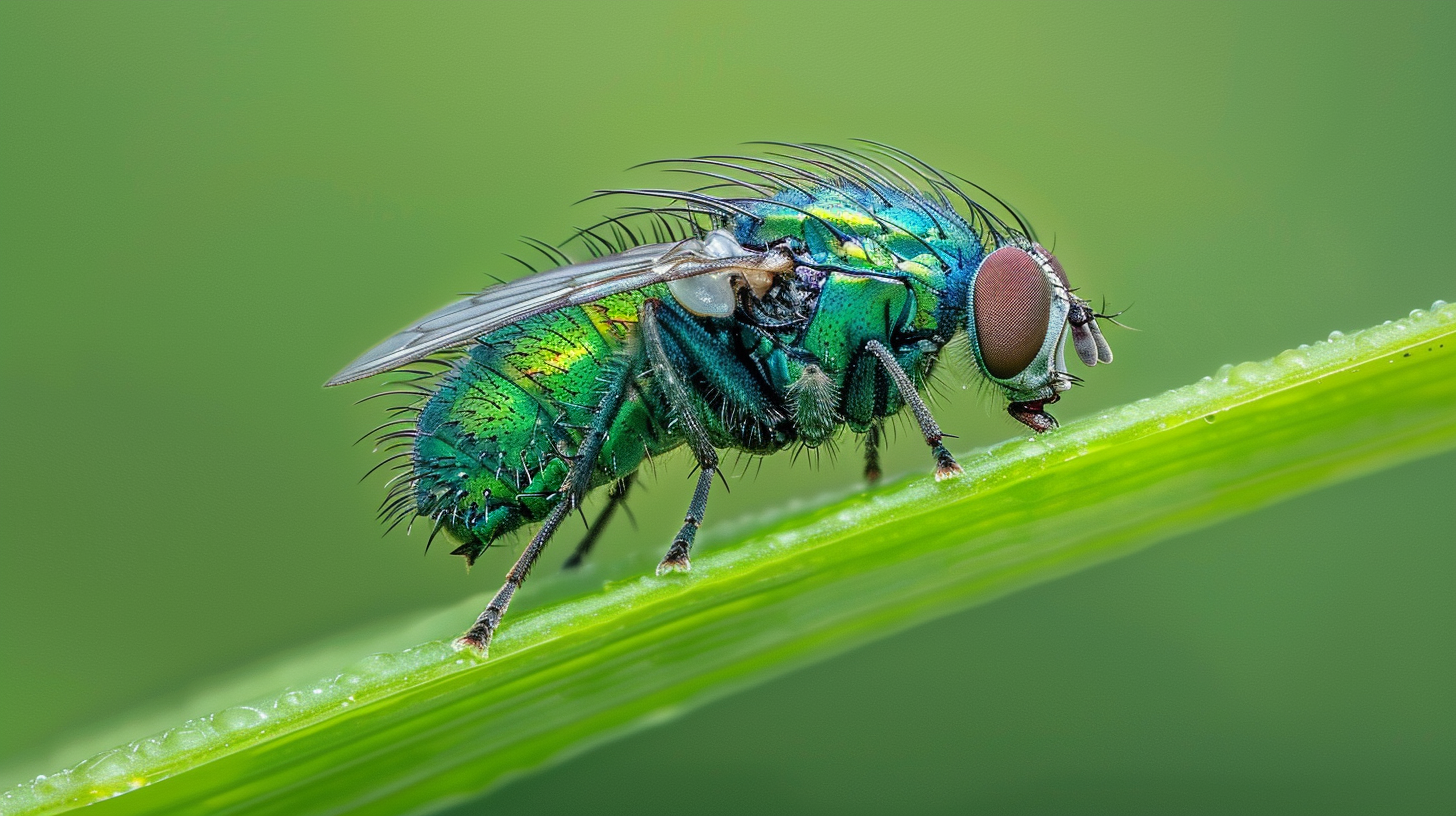
For readers new to the story, the screwworm — Cochliomyia hominivorax — is a fly whose larvae burrow into the living tissue of warm-blooded animals, a condition called myiasis that can kill livestock and wildlife within days if untreated. The United States eradicated the pest in 1966 using sterile-fly releases, and had kept it out for decades until it began moving north through Central America and Mexico. The first U.S. case in this outbreak was confirmed June 3 in a bovine in Zavala County, southwest of San Antonio.
The most recent detection remains the one logged July 21, a domestic goat in Sutton County listed as active — the county’s second case after a dog confirmed there July 13. The clustering has stayed in the same band of south-central and West Texas ranch country that has carried the outbreak from the start: Crockett, Edwards, Terrell, Brewster, Pecos and Kinney-area counties, where sheep, goats and cattle graze large pastures that are hard to monitor animal by animal. The lone out-of-state case, a dog in Lea County, New Mexico, was confirmed June 7 and is inactive.
State animal-health officials have not changed their posture. The Texas Animal Health Commission continues to maintain quarantine and movement rules in the affected zone, and USDA has kept U.S. ports closed to live cattle, horses and bison from Mexico since July 9, 2025 — a shutdown now more than a year old that remains the single largest economic effect of the outbreak on the cattle trade. The Texas Parks and Wildlife Department, which watches for cases in deer and other wild hosts, has reported none. The Texas Department of State Health Services has reported no human infections.
The quiet stretch does not mean the response has paused. The federal government’s long-term bet is on the same weapon that eradicated the pest 60 years ago: flooding the region with sterile male flies so that wild females mate without producing offspring. USDA broke ground April 17 on a sterile-fly production facility at Moore Air Base near Mission, in the Rio Grande Valley, with a target output of roughly 300 million flies a week once it is running, supplementing a plant in Metapa, Mexico. Neither facility is at full scale yet, and the sterile-fly strategy works over months, not days.
Whether the flat July numbers hold or give way to a late-summer rise will depend on factors that do not show up on a dashboard — the pace of new detections as fall livestock work begins, whether the pest reaches a wildlife host, and how quickly sterile-fly production ramps. For now, the containment picture is stable: a count that has not moved in more than a week, active cases near their outbreak low, and no confirmed spread to deer or people. APHIS updates the detection tally as new cases are confirmed, and the next figure it posts will be the clearest signal of which way the outbreak is turning.