
Major changes are coming to public education in Texas as lawmakers have made adjustments to the education system, including school choice, special education funding, and how to support students with dyslexia.
Dr. Audrey Young, an elected member of the State Board of Education, says Texas has made gains but still misuses special education dollars and overlooks opportunities to support gifted students who also need structured help.
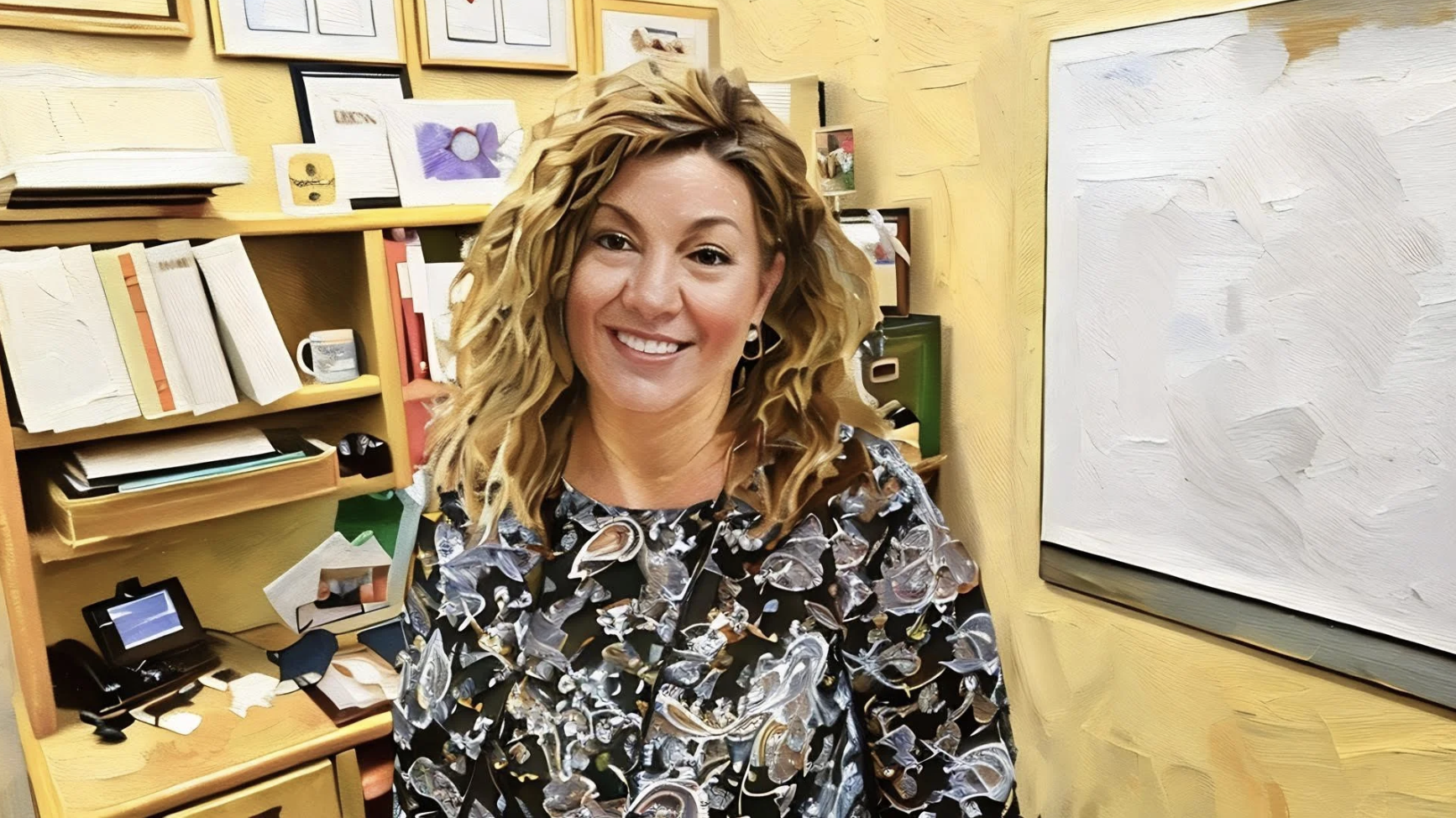
Young represents parts of Greater Houston and Southeast Texas on the State Board of Education and recently retired as executive director of Student Support Services and Special Education at Nacogdoches ISD. She has been in public school for more than 30 years as a speech therapist, reading specialist, and administrator.
Lawmakers have tried to catch up with the rising needs of education in Texas. Young says the state “has worked diligently over the last ten years and, particularly, the last five years” to train teachers and directors and points to House Bill 568, which increases funding for special education services.
She also highlights dyslexia reforms and says that “the Dyslexia Handbook was rewritten to align it with IDEA, the Individuals with Disabilities Education Act,” moving dyslexia under special education so students who were “being under-identified” now receive services and funding.
The numbers have shifted quickly. Young says Texas once had an unwritten cap of about 8 percent of students in special education until federal officials forced a change. Identification has climbed to one in five students as that cap disappeared and dyslexia moved under special education, and she says Senate Bill 568 grew out of efforts to create a funding system tied to the intensity of services that students need.
Policy looks uniform in statute yet plays out very differently across districts. Every school system follows the same rules, Young says, but “how the school district rolls out their services and offers them to their community is locally designed.” Some districts “really pour into their special needs students,” make sure funding is there, and “take pride in how they are providing services,” while others treat special education as a financial burden.
Young argues that this complaint rests on a myth. Special education students earn the same average daily attendance funding as general education students plus additional money tied to services, and districts often bring in “millions of dollars across the state” through Medicaid reimbursement. When superintendents cite special education as the cause of red ink, she counters with, “Why pick on the disabled kids?”
Community culture also shapes outcomes. Young pushes back on caricatures of rural Texas and says smaller communities often “wrap their arms around students with special needs.” She views those campuses as central hubs for services even when access to private therapy is harder.
Young says, “If I could be granted one wish, it is that every superintendent in the state of Texas has to have taught special education for at least a year.” Some superintendents are parents of special-needs children and “understand it because it is in their heart,” she says, while others “have never even walked into a special education classroom. If we had more superintendents that were as in tune to their special education as they are to their athletics, we would have success all across the state.”
Young’s biggest long-term goal extends beyond traditional special education labels. She says that if she “could wave a magic wand and add any more children to special education,” she would “gather the gifted children as well.”
Many students are “twice exceptional,” she says, such as gifted and dyslexic or gifted and autistic. Bringing gifted education under the special education umbrella in Texas, according to her, would give those students formal goals, progress monitoring, and annual meetings with parents to ask “how are we meeting the needs of our super smart kids as well?”
Young also warns about special education advocates. Parents often hire advocates to navigate rules, and she says she has worked with “some pretty phenomenal” ones but also seen meetings where districts end up “teaching the advocate what they need to know.”
“Anyone can just say that they are an advocate for special education and charge parents,” she says, and she calls for legislation that requires training or certification so families receive real help rather than confusion.